

Getting braces is a big step. You’re excited for that perfect smile. But wait, will they affect how you speak? It’s a common question. Many people wonder about speech changes. Let’s explore this together.
Will Your Voice Change?
This is a common question, and the direct answer is: braces won’t permanently change your core voice, but they can temporarily affect both speaking and singing.
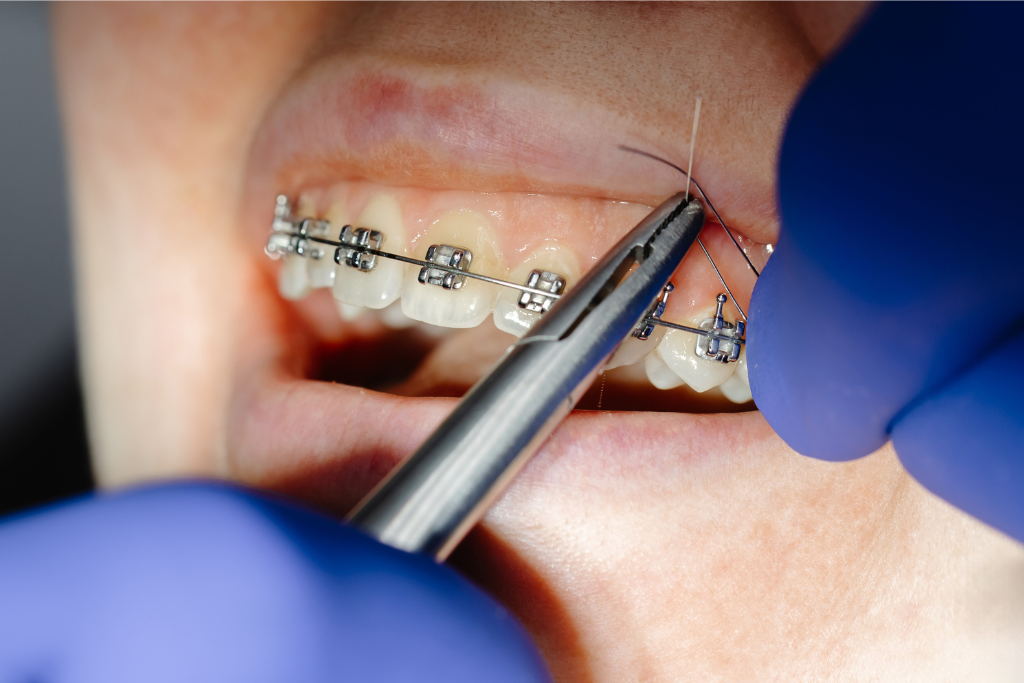
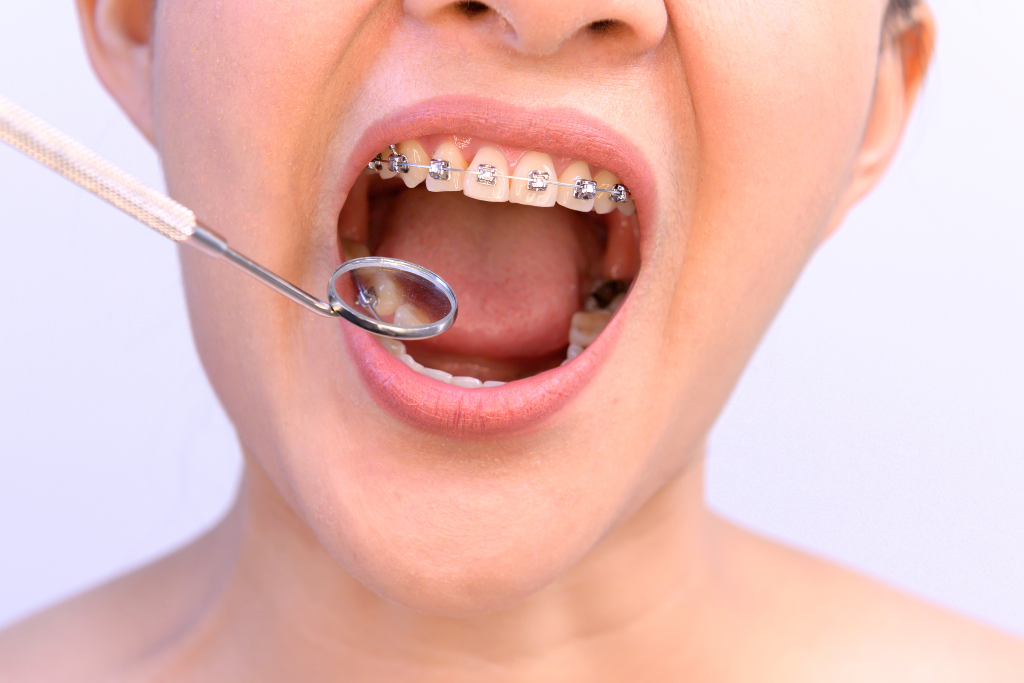
Initially, the presence of brackets and wires takes up space in your mouth. This can alter how your tongue moves, leading to a temporary lisp, especially with “S” or “TH” sounds. Singers might notice slight changes in resonance or articulation as their mouth cavity changes. However, your mouth is incredibly adaptable. Most individuals quickly adjust, and speech, as well as singing diction, returns to normal. Sometimes, a corrected bite can even improve overall vocal clarity in the long run.
Braces and Your Voice: What to Expect
When considering braces, the question of speech changes is valid. The conclusive answer is that braces can cause minor, temporary changes to your speech, but they generally do not alter your voice permanently. Let us understand the various phases after getting braces in the following section.
The Initial Adjustment Period
When you first get braces, your mouth feels different. There’s new hardware inside. Your tongue might hit brackets or wires. This can feel a bit awkward. Some people notice a slight lisp. This is usually temporary. Your mouth needs time to adapt. Most people adjust within a few days or weeks. Patience is key here.
Understanding Speech Mechanics
Speaking involves many parts. Your tongue, lips, and teeth work together. They form sounds. Braces introduce a new element. Your tongue learns a new position. It adapts to the change. This helps you speak clearly again. Your brain is amazing at this. It finds new ways to articulate.
Minor, Temporary Changes
Any speech changes are generally minor. They are also temporary. A slight lisp might occur. Some sounds could feel different. Words with ‘S’ or ‘TH’ might be tricky. Practice speaking out loud. Read your favorite book. Sing along to songs. This helps your muscles adapt.
The Role of Orthodontic Appliances
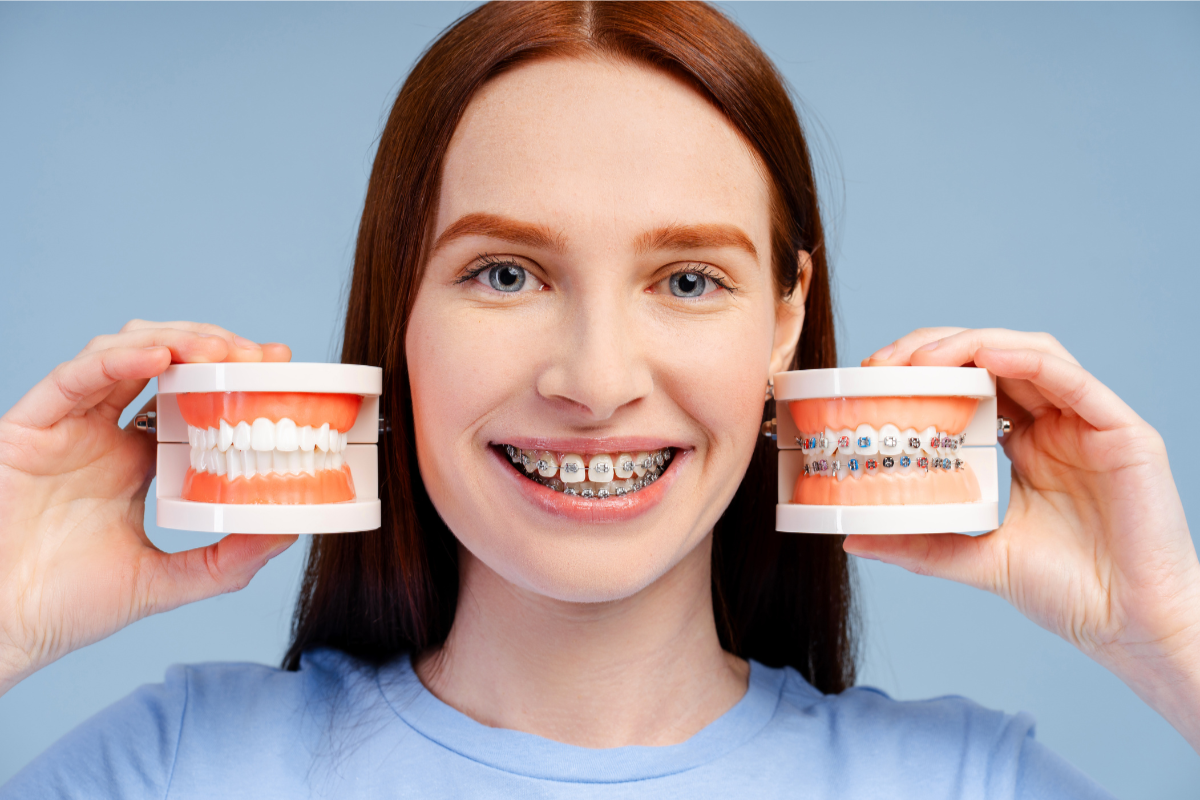
Different braces affect speech differently. Traditional metal braces might feel bulkier. Clear aligners are smoother. Lingual braces are behind your teeth. They might cause more initial changes. Your orthodontist chooses the best option. They consider your needs.
How Your Tongue Adapts
Your tongue is incredibly flexible. It quickly learns new positions. It finds space around your braces. Think of it as a workout. It becomes more agile. Soon, you’ll be speaking normally. Most people forget they even have braces.
Addressing Concerns with Your Orthodontist
Still worried about your speech? Talk to your orthodontist. They can offer advice. They might suggest specific exercises. They can also check your braces. Sometimes minor adjustments help. Remember, they are there to help you.
Long-Term Benefits Outweigh Short-Term Niggles
Any temporary speech changes are worth it. Braces fix misaligned teeth. They improve your bite. A healthy bite aids speech. Your improved smile boosts confidence. Clearer speech is a long-term gain. The initial awkwardness fades.
The Confidence Boost
Imagine your new smile. It will look fantastic. This boosts your self-esteem. You’ll speak with more confidence. This positive change is priceless. Braces offer many benefits. They go beyond aesthetics.
Getting braces is a journey. There might be small bumps. Speech adjustments are usually minor. They pass quickly. Focus on the amazing outcome. A beautiful, healthy smile awaits.
Ready for a smile transformation? Schedule your consultation today! Discover if braces are right for you. Your journey to a perfect smile begins now.