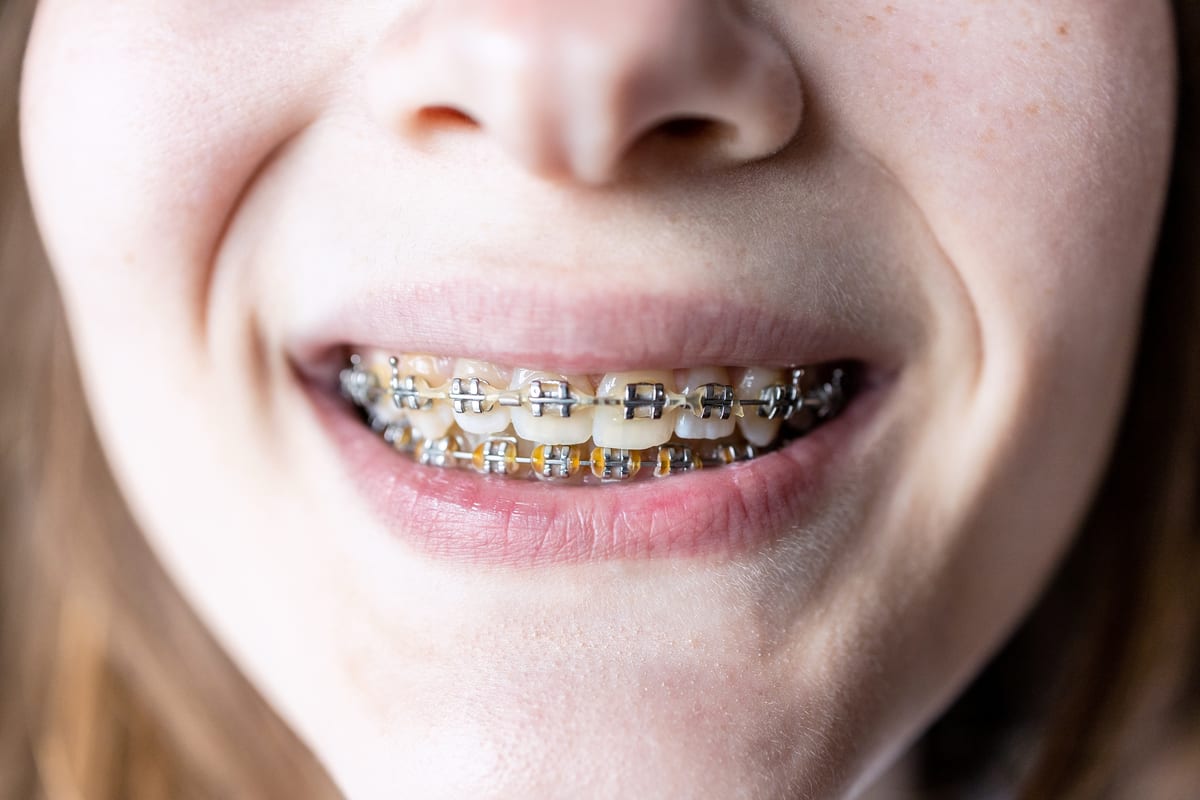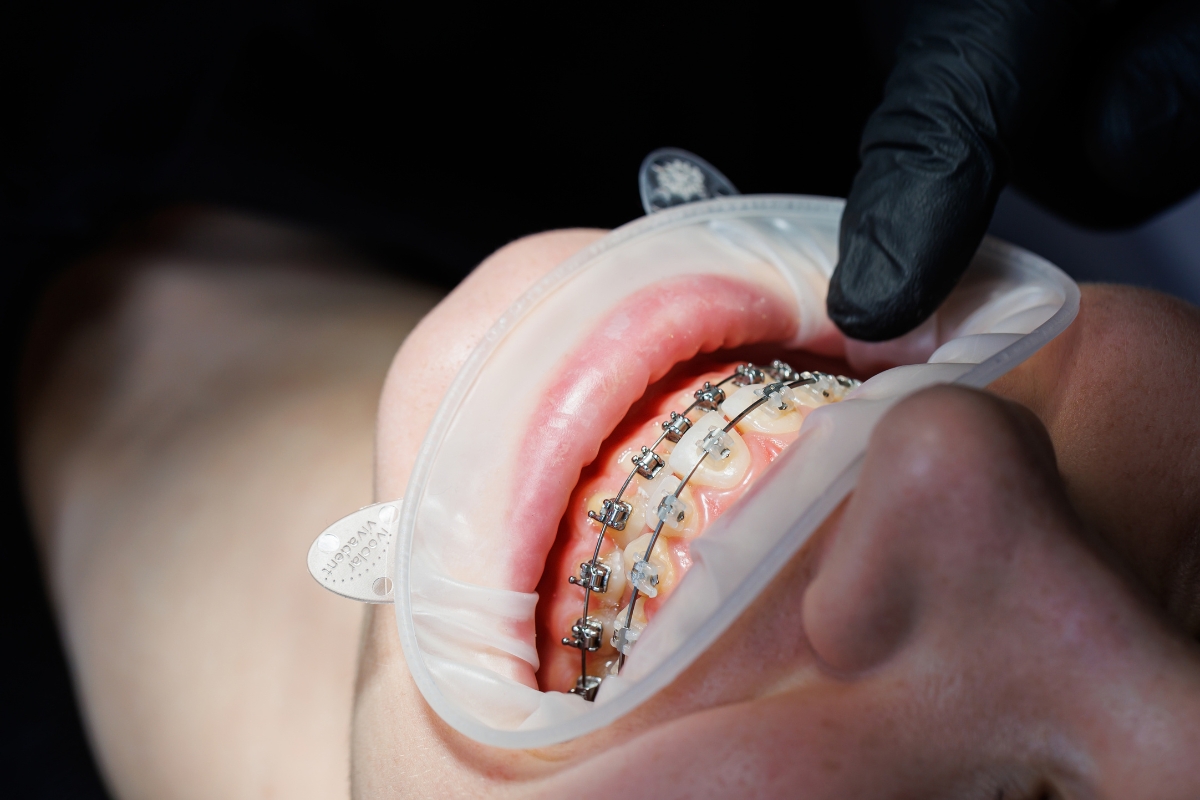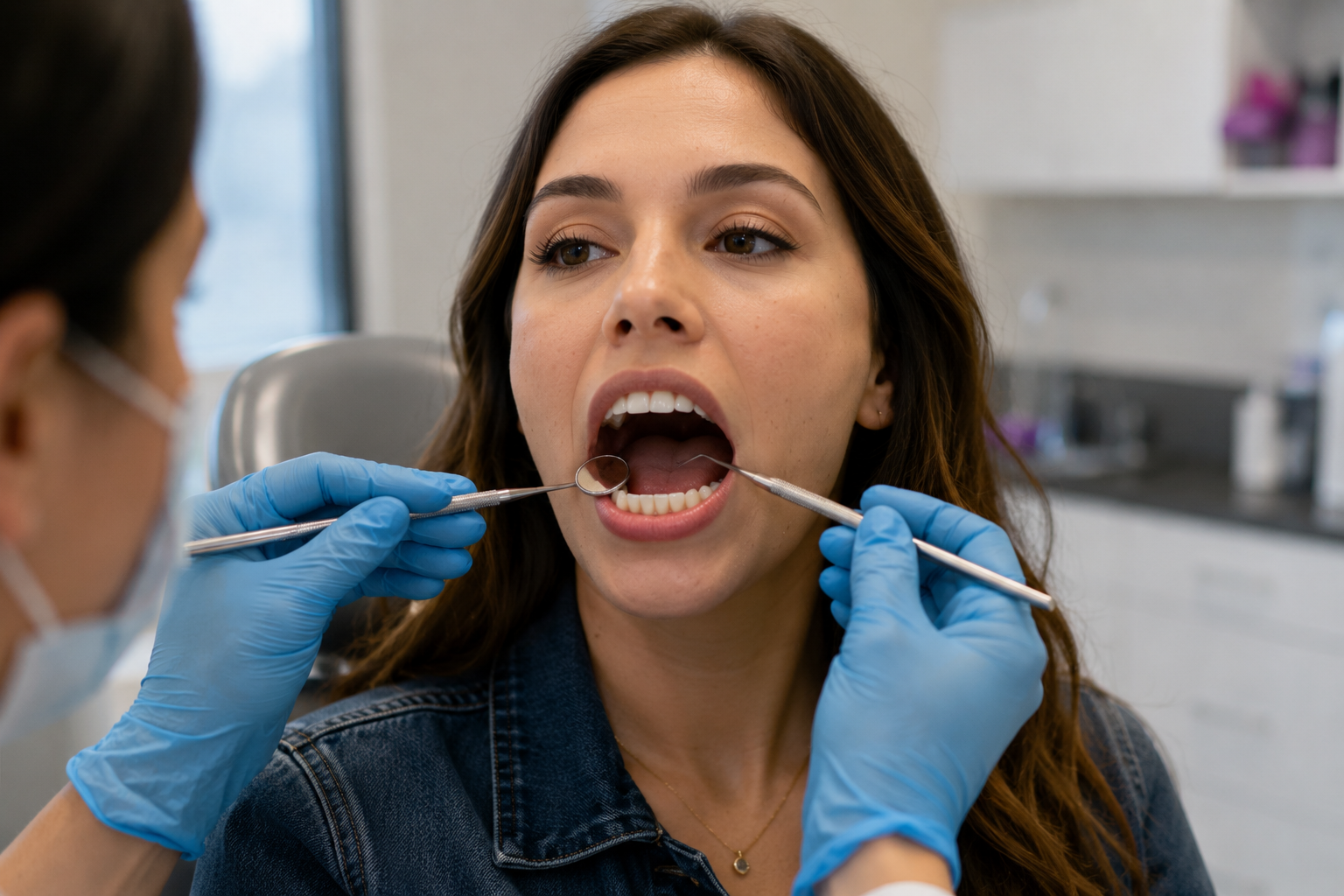


Straight, healthy teeth are often associated with adolescence, but orthodontic care is no longer limited to teenagers. Today, more adults are taking charge of their oral health and smile aesthetics than ever before. Whether addressing longstanding bite misalignments, shifting teeth, or cosmetic concerns, orthodontic solutions provide transformative results at virtually any stage of life.
Understanding treatment options, tracking aligner progress, and knowing what to expect both during and after treatment makes the process smooth, predictable, and rewarding for adult patients.
The Truth About Teeth Braces Age Limits
A common question among prospective adult patients is whether there is an upper age limit for orthodontic treatment. The short answer is no. Healthy teeth can be successfully moved and realigned whether you are getting braces at 30, 40, 50, or beyond.
Bone density and cellular turnover change naturally as we age, meaning adult tooth movement requires precise, calibrated force. However, as long as your gums, supporting bone, and periodontal structures are in good health, your biological response to orthodontic pressure remains fully active.
Modern Treatment Options for Adults
Today’s adult patients have access to discreet, highly efficient technologies tailored to fit busy personal and professional schedules. Finding the right orthodontic care means selecting a method that fits your daily routine seamlessly.
- Clear Aligners (Invisalign®): These are nearly invisible and removable for meals, allowing for easy hygiene maintenance. They are best suited for mild-to-moderate crowding, gaps, and professional lifestyle needs.
- Clear Ceramic Braces: Designed to blend naturally with your tooth enamel, these are fixed for continuous movement. They are an excellent choice for moderate-to-complex movements requiring high aesthetic subtlety.
- Modern Metal Braces: Offering maximum durability, these provide precise control over difficult movements. They are highly effective for complex malocclusions, rotated teeth, and severe structural shifts.
Patients seeking braces in Claremore have all of these advanced options available, allowing for a highly personalized approach to smile correction without compromising on quality or convenience.
Addressing Complex Issues: Posterior Open Bites & Aligner Tracking
Adult orthodontics addresses both cosmetic alignment and functional harmony across the dental arches.
Correcting a Posterior Open Bite
A posterior open bite occurs when the front teeth touch properly upon closing, but the back teeth (molars and premolars) fail to meet. This condition can lead to uneven bite forces, localized enamel wear, muscle fatigue, and chewing inefficiencies.
Effective posterior open bite treatment requires specialized biomechanics. While clear aligners can manage open bites effectively, posterior open bites may occasionally develop during aligner wear if biting forces intrude back teeth. An experienced orthodontist addresses this through targeted attachments, elastics, or hybrid wire mechanics to ensure complete arch contact.
How to Tell if Invisalign Is Tracking Correctly
Successful clear aligner therapy via Invisalign® relies on precise engagement between the aligner plastic and tooth surfaces. Many adults opting for Invisalign in Claremore appreciate how easily clear aligners fit into their lifestyles, provided the trays are tracking properly.
- Signs of Good Tracking: The aligner fits snugly across every tooth with zero visible space between the edge of the tooth and the bottom of the tray.
- Signs of Off-Track Aligners: Small gaps (air pockets) between the plastic and tooth incisal edges, rocking trays, or attachments failing to click into their corresponding slots.
Using chewies to seat aligners firmly and adhering strictly to the recommended 20–22 hour daily wear window keeps adjustments on schedule.
What to Expect After Braces Removal: Sensitivity and Gum Health
Completing orthodontic treatment is a significant milestone, but navigating everyday life with braces and the transition period afterward requires proper care.
- Mild Tooth Sensitivity: Experiencing teeth sensitivity after braces removal is completely normal for a few days. The removal process and cleaning of the adhesive polish the enamel surface, and teeth need a brief window to settle into their new, unbraced positions.
- Gum Swelling & Tenderness: Gums may appear slightly inflamed or puffy immediately following bracket removal. Routine hygiene, gentle flossing, and warm salt-water rinses quickly restore gum tissue to optimal health.
- Consistent Retainer Wear: Bone remodeling continues for several months after active movement ends. Wearing custom retainers as directed ensures that your new smile remains permanently stabilized.
Trusted Orthodontic Care in Claremore
Achieving a healthy, functional smile requires personalized diagnostic planning and clinical expertise. If you are considering adult braces or clear aligners, consulting with an experienced specialist in your local area is the first step toward lasting results.
Residents looking for a dedicated orthodontist in Claremore can receive comprehensive evaluations, customized adult treatment plans, and continuous guidance at Schroeder & Wyatt Orthodontics. Scheduling a consultation with Wyatt Orthodontics ensures you receive the specialized care necessary to achieve the perfect smile, no matter your age.
Frequently Asked Questions
Can I get braces at the age of 40?
Yes. Age 40 is an ideal time to pursue orthodontic treatment. Many adults in their 30s and 40s seek treatment to resolve shifting teeth, ease cleaning around crowded areas, or correct bite imbalances that cause uneven wear.
Is it worth getting braces in your 40s?
Orthodontic treatment offers lifelong dividends beyond aesthetics. Aligning teeth properly reduces periodontal risks, balances jaw pressure, preserves natural enamel, and enhances daily confidence.
Why are teeth sensitive after braces are taken off?
Debonding brackets involves cleaning residual dental cement and polishing the enamel. This mechanical process, coupled with teeth adapting to free bite contact without the structural support of a wire, causes transient sensitivity that typically resolves within 48 to 72 hours.
How do I know if my orthodontic treatment is working?
Gradual changes in dental spacing, easier flossing between once-tight contact points, and a more balanced resting bite are clear signs of progress. Routine progress checks with your orthodontic team verify that structural shifts match treatment planning.