
Exploring effective posterior open bite treatment is essential if your front teeth meet when you close your mouth, but your back molars fail to touch. While most people are familiar with front-teeth spacing, a gap between back teeth creates functional difficulties that interfere with normal chewing, speech clarity, and jaw joint health.
According to research from the American Association of Orthodontists, balanced bite contact across both front and back arches is necessary to distribute chewing forces evenly and avoid long-term tooth wear.
What Causes a Posterior Open Bite?
A posterior open bite happens when a vertical space remains between the upper and lower back teeth (premolars and molars) during a full bite.
- Mechanical Intrusion: Continuous clear aligner plastic sitting between molars during chewing can push back teeth slightly inward.
- Tongue Posture & Thrust: Resting the tongue between side teeth prevents molars from fully erupting into place.
- Skeletal Discrepancies: Uneven vertical jaw growth can create arch contact imbalances.
- Incomplete Tooth Eruption: Back teeth fail to fully emerge into their ideal biting plane.
Pinpointing the exact cause allows your provider to select the most reliable method to bring your arches back into contact.
5 Approaches for Posterior Open Bite Treatment
Restoring contact between your molars requires targeted orthodontic mechanics to guide back teeth into proper vertical alignment.
1. Clear Aligner Staging Adjustments
If a gap develops during clear tray therapy, your provider can adjust the digital movement sequence. By placing specialized attachments and modifying aligner trim lines, aligners can extrude back molars without placing unwanted intrusive pressure on them. Learn more about how modern digital planning works on our Invisalign page.
2. Vertical Elastics
Intermaxillary rubber bands remain a reliable solution for closing vertical gaps. Attached to small composite buttons or bracket hooks, vertical elastics provide steady upward and downward tension that guides upper and lower molars into firm contact.
3. Modern Fixed Braces
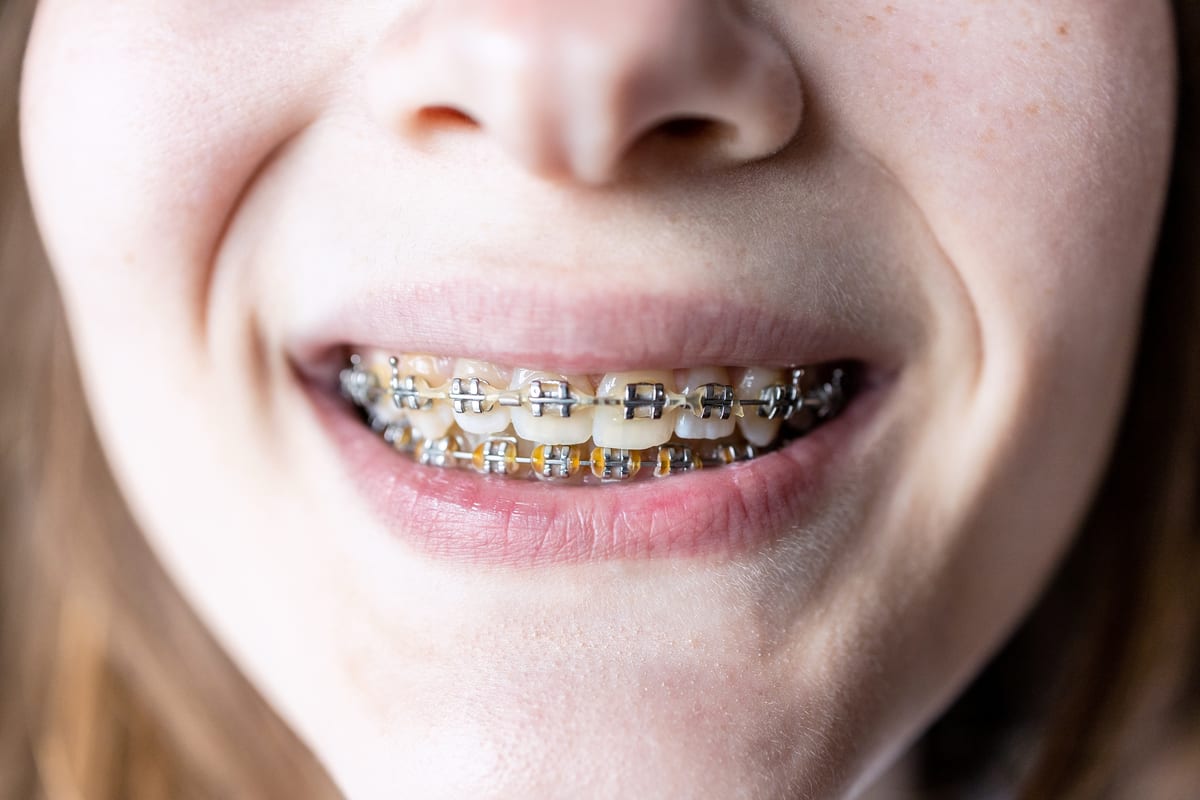
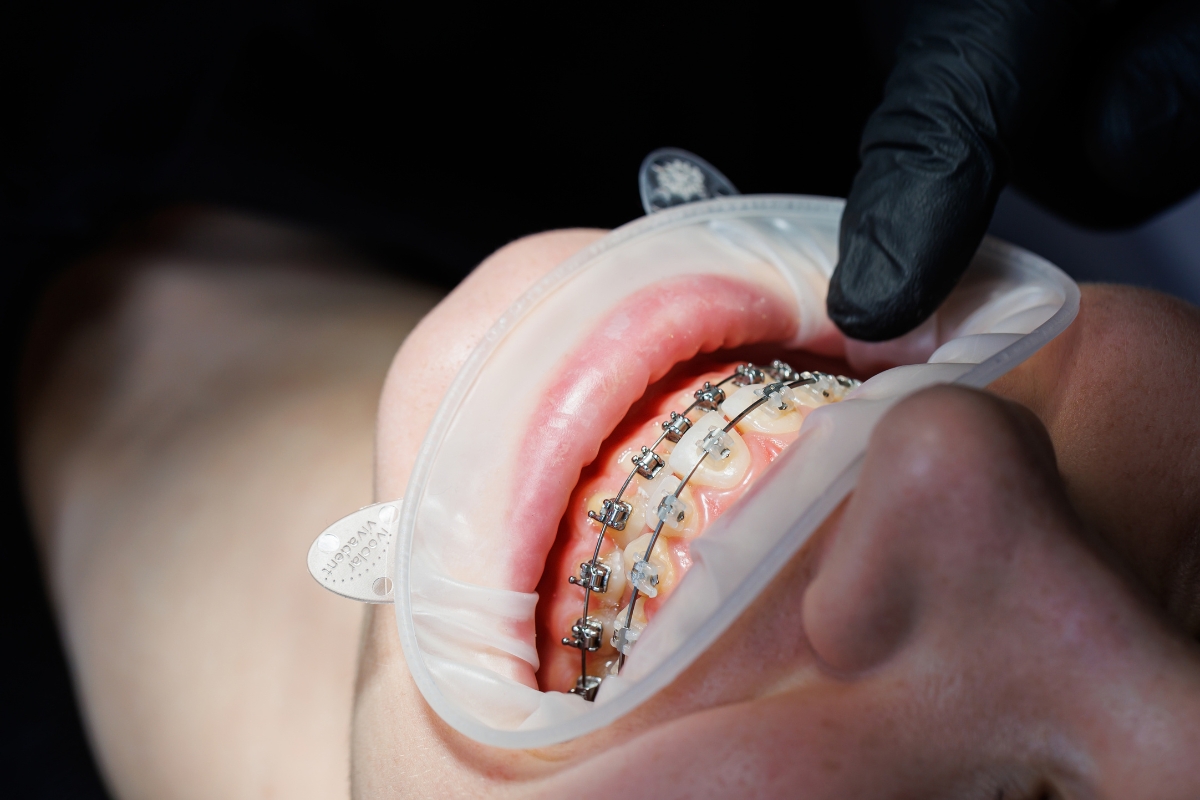
Bracket systems offer three-dimensional control over root uprighting and vertical leveling. For severe open bites or cases involving rotated teeth, low-profile ceramic or metal appliances provide continuous corrective forces. For practical maintenance tips during treatment, explore our life with braces guide.
4. Sectional Appliance Settling
In aligner cases where only the back teeth need to meet, cutting off the posterior sections of the trays allows back molars to naturally erupt and settle together while keeping the front teeth aligned.
5. Habit Retraining & Tongue Therapy
When an open bite is influenced by lateral tongue resting habits, myofunctional therapy helps retrain resting tongue posture against the roof of the mouth, ensuring your bite remains stable after treatment.
Treatment Tracking and Everyday Monitoring
Monitoring how your teeth respond ensures treatment moves forward on schedule:
- Flush Tray Fit: Clear aligners should sit tight against the biting edges of all teeth without visible gaps.
- Chewing Balance: As molars settle into place, chewing should feel more balanced across the entire arch rather than isolated on the front teeth.
- Regular Check-Ins: Scheduled progress checks give your care team the opportunity to fine-tune mechanics. Review appointment guidelines on our patient resources page.
Local Care at Schroeder & Wyatt Orthodontics
Correcting complex bite misalignments requires precise diagnostic tools and individualized care. If you are looking for an experienced orthodontist near me or searching for a trusted orthodontist in Tulsa, the team at Schroeder & Wyatt Orthodontics offers complete care for children, teens, and adults.
Whether you are evaluating options for braces in Tulsa or interested in Invisalign, Tulsa patients can meet with Dr. Wayne Wyatt and our team for a personalized assessment. Our clinic provides transparent payment plans, which you can review on our easy pricing page.
If you are ready to visit an established orthodontist office, Tulsa residents can contact our office today to schedule a consultation.
Frequently Asked Questions
Can Invisalign fix a posterior open bite?
Yes. With customized attachments, vertical elastics, and proper digital staging, clear aligners can successfully close posterior open bites under the care of a skilled orthodontic specialist.
Why did my back teeth stop touching during aligner treatment?
Because aligner plastic covers the biting surfaces, natural chewing forces can occasionally depress back molars slightly. An orthodontist can adjust your tray design or use settling elastics to bring the molars back into contact.
How long does it take to fix an open bite on back teeth?
Minor settling adjustments generally take 3 to 6 months, while comprehensive corrections involving root repositioning may take 12 to 18 months depending on case complexity.
Will a posterior open bite resolve on its own?
No. Once permanent adult teeth have settled out of contact, active orthodontic guidance is necessary to restore a functional, balanced bite.