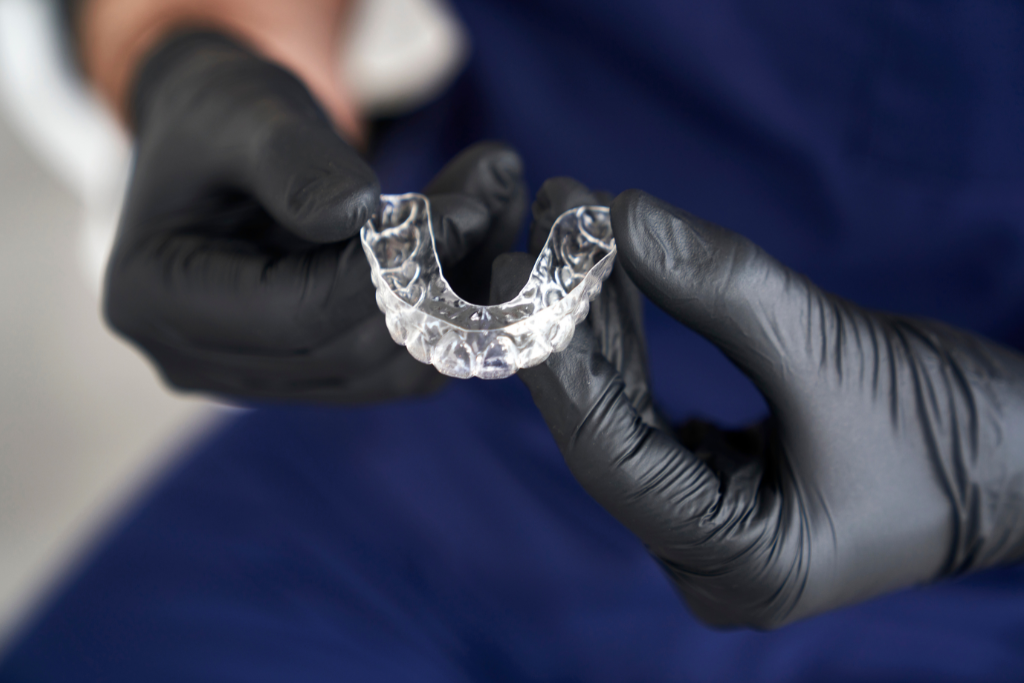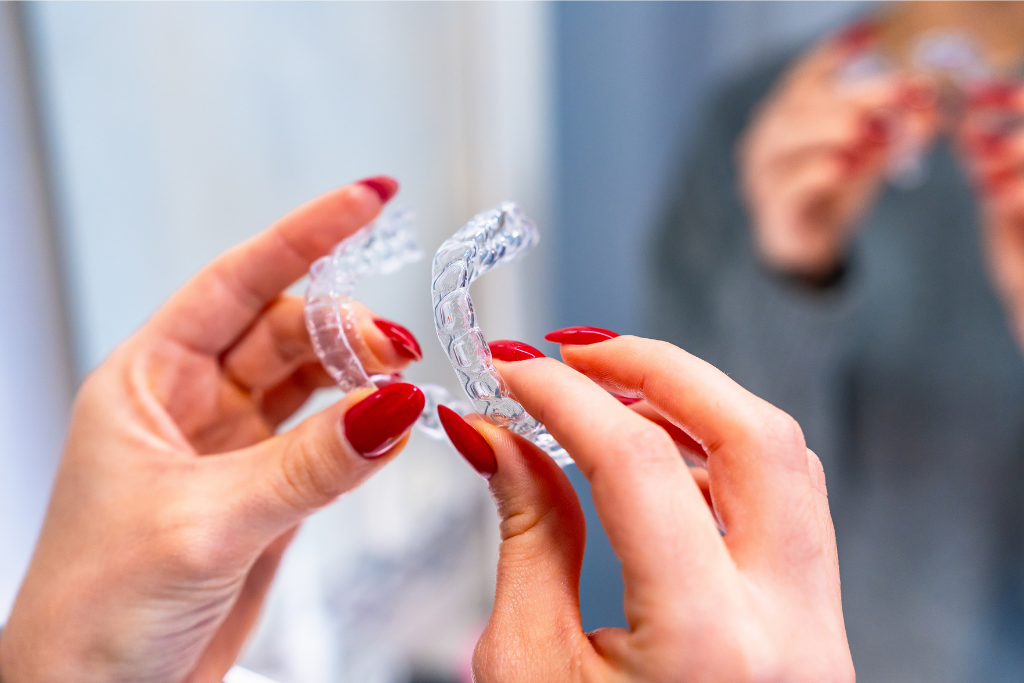

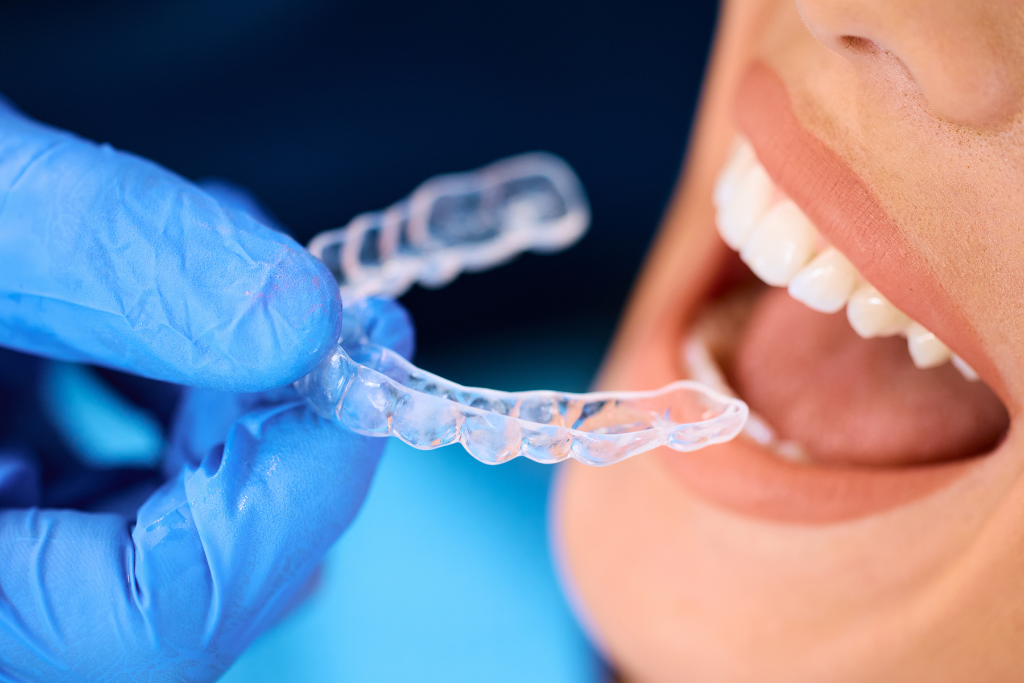
You’re doing everything right or so you think. You picked up your aligners, followed the instructions in the box, and you’re checking the mirror every few days hoping to see that gradual shift. But weeks in, something feels off. Your teeth don’t look much different. Maybe an aligner fits awkwardly, or you’re dealing with some unexpected soreness. Sound familiar?
If you’ve been searching for an invisalign near me in Tulsa and wondering why your treatment doesn’t seem to be moving along the way you expected, you’re not alone. This is one of the most common concerns orthodontists hear and the good news is, most of the reasons Invisalign “stops working” are completely fixable.
You’re Not Wearing Them Long Enough
This is the number-one culprit, and it catches people off guard more often than you’d expect. Invisalign aligners need to be worn for 20 to 22 hours every day to deliver results on schedule. That leaves a two-to-four-hour window for eating, drinking, brushing, and flossing.
Life in Tulsa is busy between commuting down Memorial Drive, grabbing lunch at Elgin Park or Cherry Street, and catching a Drillers game at ONEOK Field, it’s easy to leave your aligners out longer than intended. An extra hour here and there adds up fast. Over weeks, that missing wear time throws your entire treatment timeline off track.
The fix is simple but requires commitment: put them back in immediately after meals. A small travel case clipped to your bag makes it easy to stay consistent no matter where your day takes you.
You’re Skipping Ahead – Or Falling Behind – On Trays
Each set of aligners is engineered to move your teeth a precise, calculated distance. Moving to the next tray too early before your teeth have fully settled means the new aligner won’t fit right, and your teeth won’t move the way the plan intended. Waiting too long has the opposite problem: your teeth may drift slightly, making the next tray uncomfortable or ineffective.
If you’re unsure whether your current tray is “done,” press firmly on the aligner with your fingertips. It should sit flush against every tooth without gaps. If it doesn’t, give it a few more days. If gaps persist after that, it’s time to contact your orthodontist, not just wait it out.
The Aligners Aren’t Tracking Properly
Tracking issues happen when the aligner no longer fits snugly over your teeth. You might notice a small air gap near the back molars, or a tray that feels loose in one spot. Poor tracking is often a sign that a previous tray wasn’t worn long enough, or that your teeth moved in a slightly different direction than planned.
This is exactly why in-office check-ins matter. An experienced provider can identify tracking problems early before they compound across multiple trays and make adjustments before you lose significant time. If you’re experiencing this and you’ve been looking up an invisalign near me in Tulsa, the answer is to get in front of a qualified orthodontist, not just push through to the next tray.
Your Case Needed More Than Aligners Can Handle Alone
Invisalign is a powerful tool but it works best within certain boundaries. Complex bite issues, significant rotation of teeth, or severe crowding sometimes call for a combination approach. In those cases, small tooth-colored attachments (called buttons) may need to be bonded to certain teeth to give the aligner a better grip and generate more precise movement.
If these attachments were recommended and weren’t placed, or if they’ve popped off and haven’t been replaced, your aligners aren’t performing the way the treatment plan requires. A quick appointment fixes this.
Quick Self-Check: Common Invisalign Mistakes
Before your next appointment, run through this list honestly:
- Wear time under 22 hours/day — the most common reason progress stalls
- Skipping or rushing trays — each tray needs to fully seat before moving on
- Leaving aligners out during short errands — those 20-minute gaps add up over a week
- Not using chewies — these small foam rolls help seat the aligner flush against every tooth
- Ignoring a loose or cracked tray — a damaged aligner should be replaced, not pushed through
If two or more of these apply to you, that’s almost certainly where your results are slipping.
What to Do Right Now
Don’t just wait and hope. If your invisalign in Tulsa treatment feels stalled, the worst thing you can do is keep switching trays hoping the problem resolves itself. Loop in your orthodontist, explain what you’re noticing, and let them assess where you are in the plan.
Treatment plans can be revised, new scans can be taken, and refinement trays can be ordered when needed. You haven’t failed, you just need a professional set of eyes on the situation.
Ready to Get Your Treatment Back on Track?
With years of Invisalign experience, Dr. Wyatt has helped patients of all ages achieve healthier, more confident smiles. Serving Tulsa, Sand Springs, and Claremore, the team knows what it takes to keep Invisalign treatment working effectively.
If you’ve been frustrated with your progress or you’re just getting started and want to make sure it’s done right from day one, we’d love to help. Scheduling a new patient exam is easy; you can do it online, anytime.
Book your appointment todayat Schroeder & Wyatt Orthodontics or call us at (918) 273-6609. Your best smile is closer than you think.
FAQs
Can I sleep without my Invisalign aligners?
No wearing them overnight is one of the easiest ways to hit your 22-hour daily target.
What happens if I lose an aligner tray?
Call your orthodontist right away. They’ll advise whether to go back a tray or move forward while a replacement is ordered.
Why do my aligners feel tight with a new tray?
Mild pressure is normal and means the aligner is working. It typically eases within 24 to 48 hours.
Can I drink coffee with my aligners?
No hot liquids warp the plastic and stain the trays. Water only while they’re in.
How do I know if I’m a good candidate for Invisalign?
Most adults and teens with mild to moderate alignment issues qualify. A consultation with an orthodontist specializing in invisalign near me in Tulsa will give you a clear answer.