
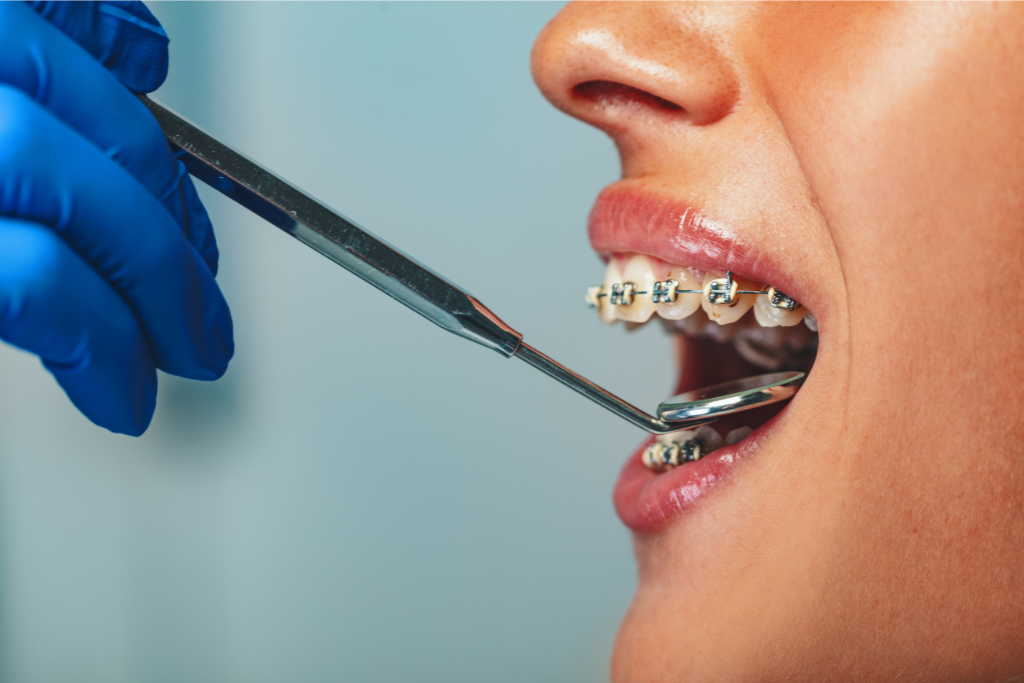
Starting orthodontic treatment is an exciting step toward a healthier, more confident smile. But once your braces are on, it’s natural to wonder whether everything is moving according to plan. Many patients ask the same question during routine visits: “How do I know my braces are actually working?”
The good news is that orthodontic treatment is a gradual process, and several positive signs indicate your teeth are responding as expected. Understanding these signs can help you stay confident and motivated throughout your treatment journey.
If you’ve been searching for braces near me in Claremore, knowing what successful progress looks like can help you make the most of your orthodontic investment.
Your Teeth Are Gradually Shifting Into Better Alignment
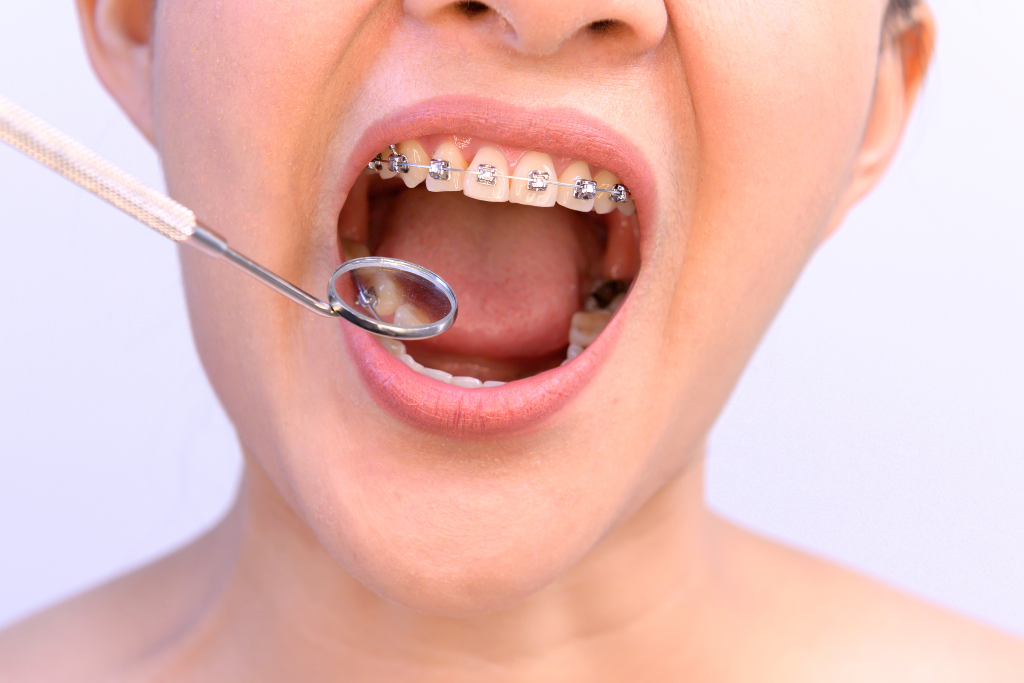
One of the most obvious signs your braces treatment is progressing correctly is visible tooth movement. While dramatic changes don’t happen overnight, you may notice small improvements every few weeks.
Gaps may begin to close, crowded teeth may start to straighten, and your overall alignment may become more balanced. Many patients don’t notice these subtle changes day to day, which is why comparing progress photos can be incredibly rewarding.
Even if changes seem slow, consistent movement is exactly what orthodontists want to see. Teeth move safely when gradual pressure is applied over time.
Mild Pressure After Adjustments Is Normal
Many patients experience slight soreness after adjustments. While discomfort isn’t always pleasant, it often indicates that your braces are actively moving your teeth.
The pressure usually lasts a few days before fading. If you feel mild tightness after an adjustment appointment, it’s often a sign that your treatment plan is working as intended.
Residents throughout Claremore often balance school, work, sports, and community events while undergoing treatment. Whether you’re attending activities near downtown Claremore or spending time at local parks and recreation facilities, temporary soreness should not prevent you from enjoying your daily routine.
Your Bite Is Improving
Orthodontic treatment is about more than straight teeth. A properly aligned bite helps improve chewing function, speech, and long-term oral health.
As treatment progresses, you may notice:
- Your upper and lower teeth fit together more comfortably.
- Chewing feels easier.
- Jaw strain decreases.
- Uneven tooth contact becomes less noticeable.
Bite correction often happens in stages, so temporary changes are normal as your orthodontist guides your teeth into their final positions.
Your Orthodontist Is Satisfied With Your Progress
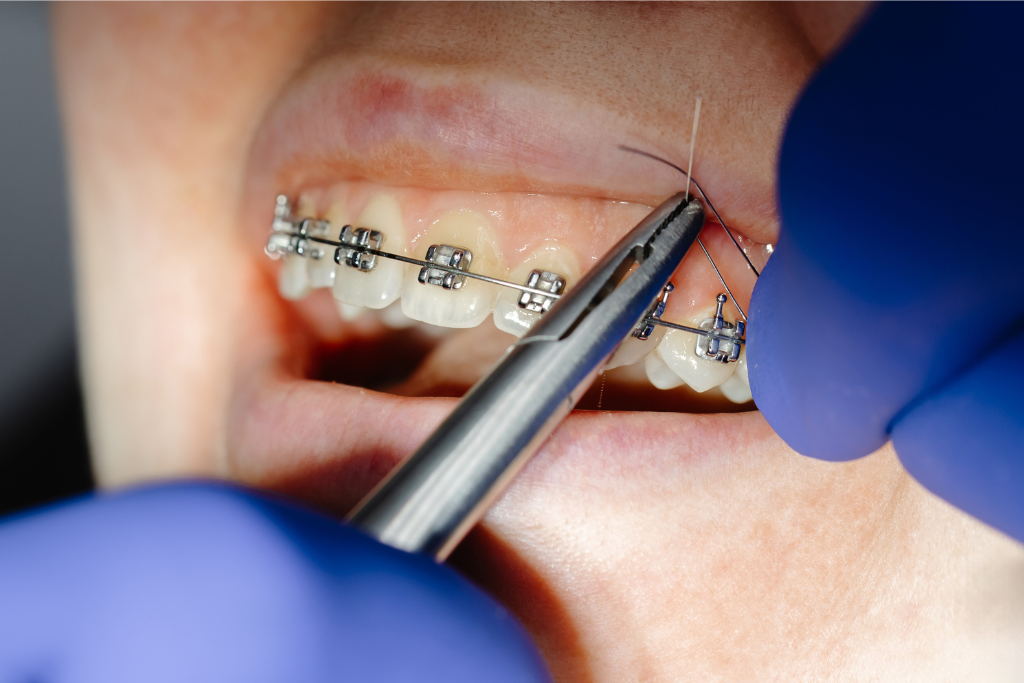
Regular adjustment appointments provide valuable opportunities for your orthodontist to evaluate your treatment.
During these visits, your provider examines how your teeth are moving compared to your treatment plan. If your orthodontist continues to move forward with scheduled adjustments, that’s typically a strong sign that everything is progressing appropriately.
Patients searching for braces in Claremore often underestimate how important these routine visits are. Consistent monitoring allows small issues to be addressed before they become larger concerns.
Your Brackets and Wires Remain Intact
Keeping your braces in good condition helps ensure treatment stays on schedule.
When brackets remain attached and wires stay properly positioned, your teeth can continue moving as planned. Patients who follow dietary recommendations and practice good oral hygiene often experience fewer delays.
Avoiding hard, sticky, or chewy foods can significantly reduce the risk of broken appliances and unnecessary setbacks.
Spaces and Crowding Are Improving
Every orthodontic case is unique, but many patients begin treatment because of crowding, spacing, or both.
As treatment progresses, you may notice:
- Crowded teeth become easier to clean.
- Gaps are gradually shrinking.
- Front teeth appear more even.
- Better symmetry throughout your smile.
These small milestones often indicate that your treatment plan is moving in the right direction.
Your Oral Hygiene Is Easier to Maintain
Many patients discover that brushing and flossing become easier as their teeth align.
Straight teeth create fewer hard-to-reach areas where plaque and food debris can accumulate. While excellent oral hygiene remains important throughout treatment, improved alignment often makes daily care more effective.
This benefit contributes to healthier gums and a lower risk of future dental problems.
What Signs Could Indicate a Problem?
While most orthodontic treatment progresses smoothly, certain issues should be discussed with your orthodontist:
- Broken brackets or wires
- Persistent pain that doesn’t improve
- Significant gaps between teeth and wires
- Missed appointments
- Poor elastic wear compliance
Addressing concerns early can help prevent treatment delays and keep your progress on track.
If you’re researching braces near me in Claremore, choosing an experienced orthodontic team that provides regular monitoring can make a significant difference in treatment success.
Trust the Process
Orthodontic treatment requires patience. Some weeks may feel like little is changing, while other periods bring noticeable improvements.
The most important thing you can do is follow your orthodontist’s instructions, attend scheduled appointments, maintain excellent oral hygiene, and avoid habits that could damage your braces.
Patients throughout Rogers County often find that staying committed to the process leads to outstanding long-term results.
Schedule Your Orthodontic Consultation
If you’re considering braces in Claremore or want expert guidance regarding your current orthodontic treatment, the team at Schroeder & Wyatt Orthodontics is here to help. We are committed to providing personalized care, advanced treatment options, and ongoing support throughout every stage of your orthodontic journey.
Whether you’re exploring treatment for yourself or your child, and searching online for braces near me in Claremore, our experienced team can help you understand your options and create a customized plan designed for long-term success. Contact Schroeder & Wyatt Orthodontics today to schedule your appointment and discover how a properly aligned bite and healthy teeth can benefit you for years to come.
Frequently Asked Questions
How long does it take to notice progress with braces?
Many patients begin noticing small changes within the first few months of treatment, although timelines vary based on individual needs.
Is soreness after an adjustment a good sign?
Mild soreness often indicates that your braces are applying pressure to move your teeth as planned.
What if I don’t see changes right away?
Tooth movement is gradual. Even when changes aren’t obvious, your orthodontist can monitor progress during regular visits.
Can broken brackets delay treatment?
Yes. Damaged braces can interfere with planned tooth movement and may extend treatment time if not repaired promptly.
How often should I visit my orthodontist during treatment?
Most patients visit every few weeks for adjustments and progress evaluations, though schedules vary depending on the treatment plan.