

In the realm of orthodontics, one common concern many people face is tooth gaps. These spaces between teeth, known as diastema, can occur for various reasons, such as genetics, missing teeth, or habits like thumb sucking. While braces are a traditional solution for closing gaps, several alternatives exist for those who prefer options without braces. Let’s explore these alternatives and whether they can effectively close teeth gaps.
Understanding Teeth Gaps
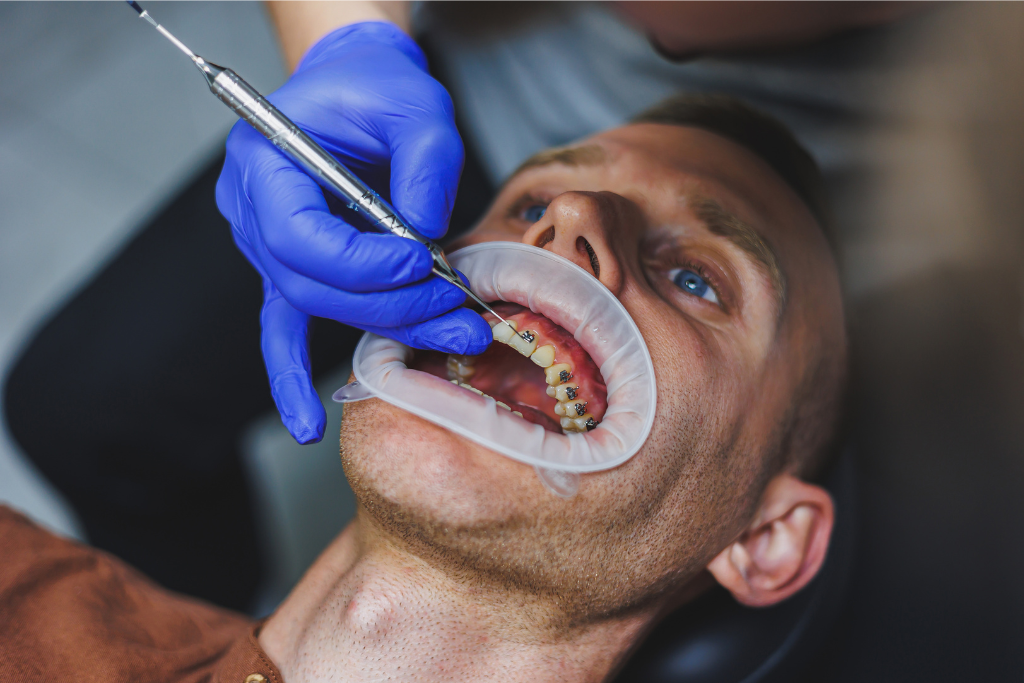
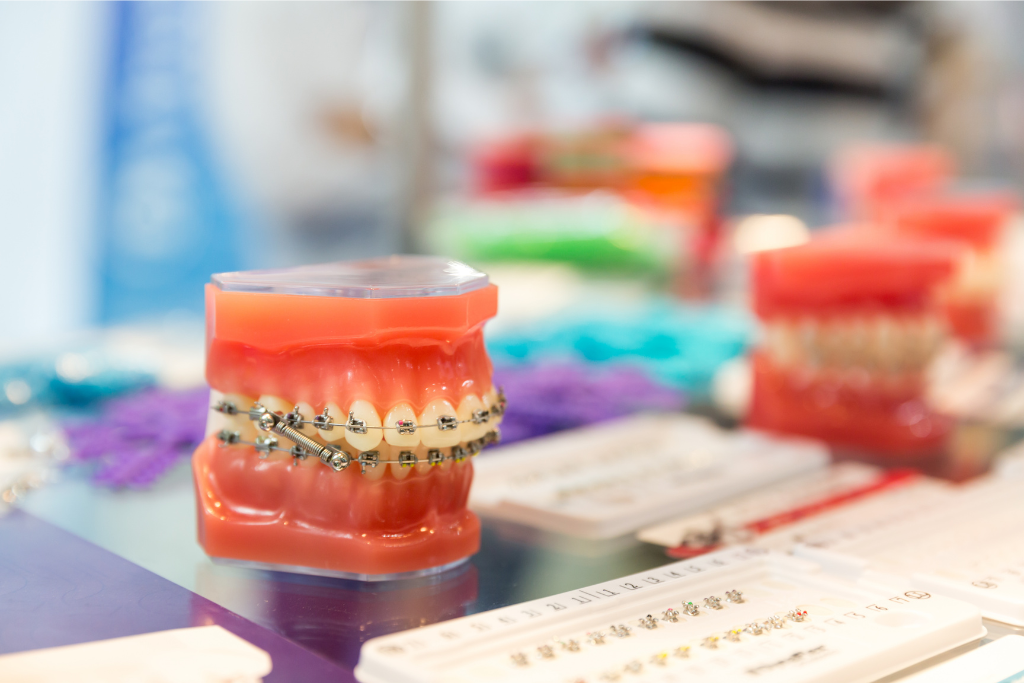
Teeth gaps can affect both the appearance and functionality of your smile. They can lead to self-consciousness and difficulty chewing certain foods. Traditional braces have long been used to close gaps by gradually shifting teeth into alignment. However, advancements in orthodontic techniques now offer additional choices.
Dental Bonding
Dental bonding is a non-invasive procedure where a tooth-colored resin is applied to the teeth to close gaps. This resin is carefully shaped and hardened, blending seamlessly with your natural teeth. While effective for small gaps, bonding may not be suitable for larger spaces or significant alignment issues.
Porcelain Veneers
Porcelain veneers are thin shells placed over the front surface of teeth to improve their appearance. They can also be used to close gaps by creating the illusion of evenly spaced teeth. Veneers offer a durable and aesthetic solution, but they require careful consideration as they involve altering the tooth’s structure.
Clear Aligners
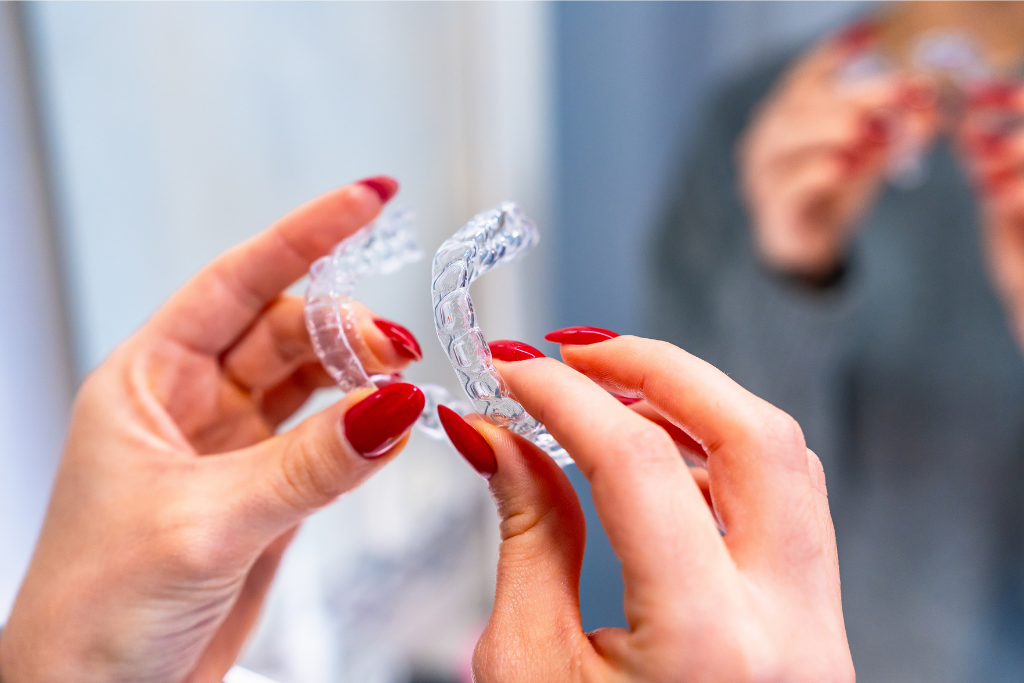
Clear aligners, such as Invisalign, have gained popularity as a discreet alternative to braces. These custom-made trays gradually move teeth into alignment, including closing gaps. Clear aligners are removable, making oral hygiene easier, and they are virtually invisible, making them appealing to many adults.
Dental Implants or Bridges
For larger gaps due to missing teeth, dental implants or bridges may be recommended. Implants replace missing teeth by surgically inserting artificial tooth roots into the jawbone. Bridges, on the other hand, bridge the gap using adjacent teeth as support. While these options don’t directly close gaps between existing teeth, they restore a complete smile.
Can Braces Be Avoided?
While the alternatives mentioned offer viable options, it’s essential to consult with an orthodontist to determine the best solution for your specific case. In some instances, braces may still be the most effective way to close gaps, especially if there are complex alignment issues or multiple gaps to address.
Braces Tulsa: Choosing the Right Option
When considering alternatives to braces in Tulsa, it’s crucial to consult with an experienced orthodontist. They can assess your oral health, discuss your goals, and recommend the most suitable treatment plan. Whether it’s dental bonding, clear aligners, or another option, the goal is to achieve a healthy, functional, and confident smile.
Orthodontist Tulsa: Expert Guidance for Your Smile
Orthodontists in Tulsa specialize in diagnosing and treating teeth alignment issues, including teeth gaps. Their expertise and advanced techniques ensure personalized care and optimal results. By working closely with an orthodontist, you can explore the various options available and make informed decisions about your dental health.
Closing Thoughts
Teeth gaps can impact your smile and overall confidence, but they don’t have to be permanent. With advancements in dental technology and a range of alternatives to traditional braces, you have options to address gaps and achieve a beautiful smile. Whether it’s dental bonding, clear aligners, or another solution, consult with an orthodontist in Tulsa to discover the best path toward closing your teeth gaps.