

A minor underbite can affect more than just the appearance of your smile it can also impact chewing, speech, and long-term oral health. Many patients today want a discreet, comfortable alternative to traditional braces, which is why Invisalign has become a popular treatment choice. But can Invisalign correct a minor underbite effectively? The short answer is yes Invisalign can treat many mild to moderate underbite cases using a series of clear, custom-made aligners that gently guide your teeth into proper alignment.
What Is a Minor Underbite?
A minor underbite occurs when the lower teeth extend slightly in front of the upper teeth. Unlike severe underbites caused by jaw misalignment, minor cases typically involve the position of the teeth rather than the bone structure. This makes them ideal candidates for Invisalign treatment. If you’re exploring treatment solutions, searching for invisalign near me in Claremore can help you find a qualified orthodontist who can evaluate your bite and recommend the right approach.
Common symptoms of minor underbites include:
- Difficulty biting into foods
- Uneven tooth wear
- Mild jaw discomfort
- A slightly protruding lower jaw appearance
When untreated, even a mild underbite can lead to long-term complications, including enamel wear, TMJ strain, and increased risk of chipped teeth. That’s why early evaluation is essential.
How Invisalign Helps Correct Minor Underbites
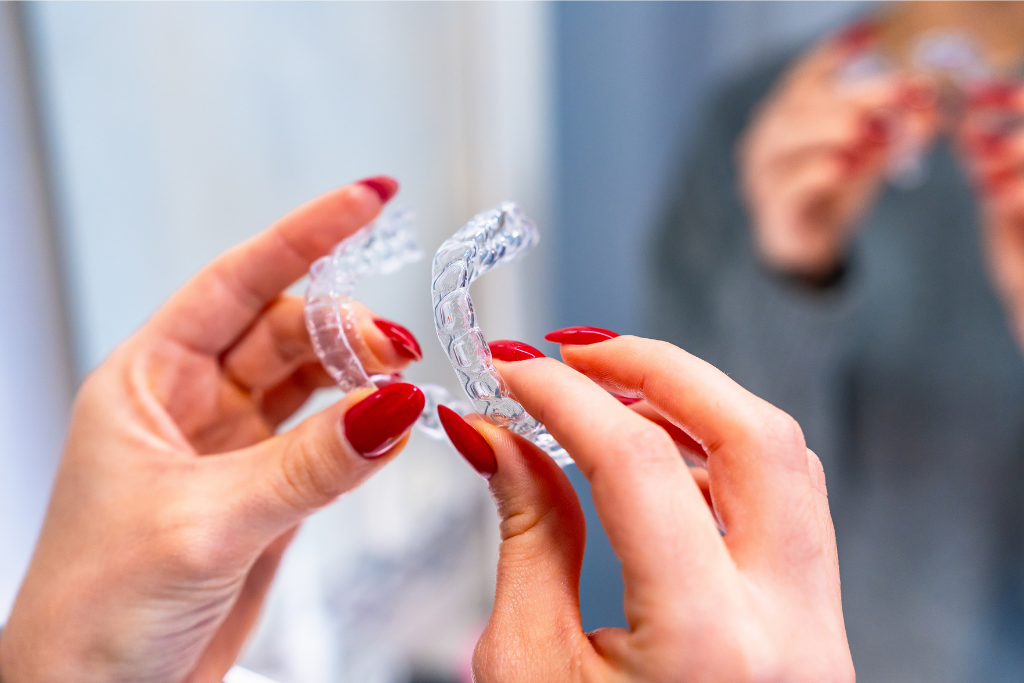
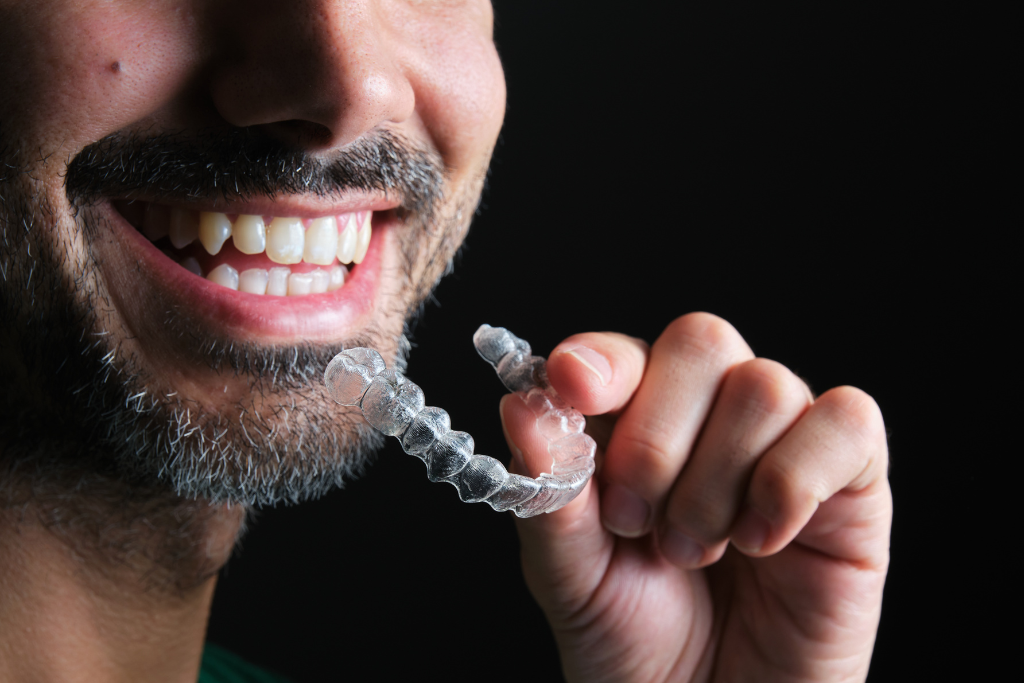
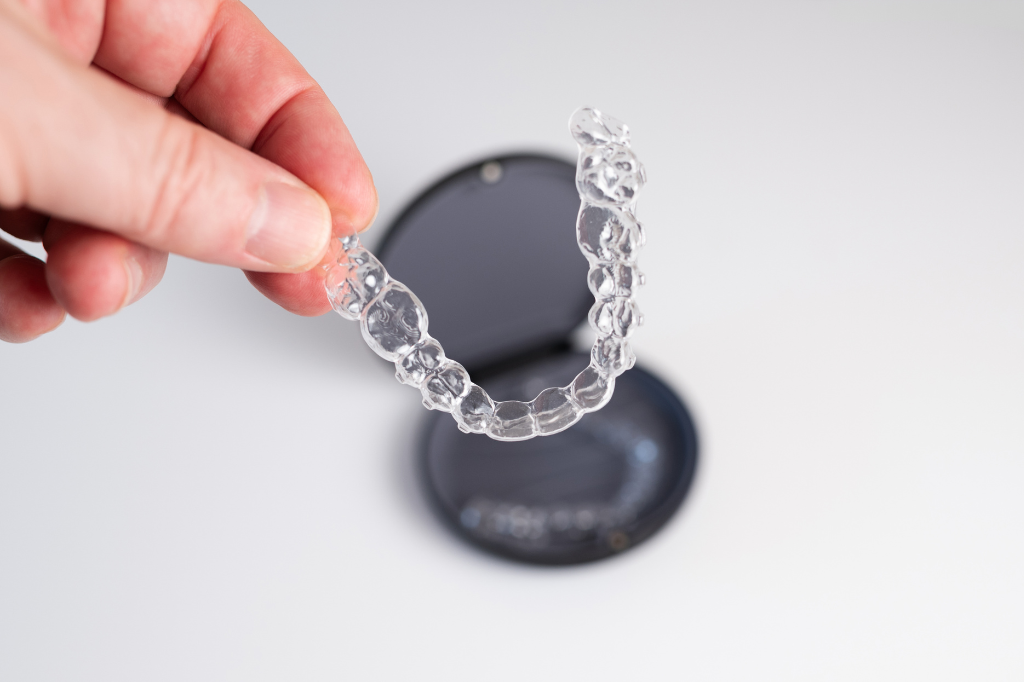
Invisalign uses a sequence of smooth, transparent aligners that apply controlled pressure to specific teeth. For minor underbites, the aligners gradually shift the lower front teeth backward and the upper teeth forward into a more balanced position.
Here’s how Invisalign addresses mild underbite issues:
1. Customized Treatment Plan
Your orthodontist creates a digital 3D scan of your teeth to map out precise movements. This tailored approach ensures better accuracy and predictable outcomes.
2. Gentle and Controlled Tooth Movement
Each aligner is designed to move certain teeth just fractions of a millimeter at a time. For minor underbites, these small adjustments are usually all that’s needed to achieve proper alignment.
3. Attachments for Better Precision
Small, tooth-colored bumps called attachments may be added to help guide teeth more efficiently. They’re barely visible and improve treatment accuracy.
4. Additional Bite Correction Tools for Better Results
In some minor underbite cases, your orthodontist may incorporate small supportive tools such as precision attachments or guided alignment features to enhance how your teeth shift into the correct position. These additions help improve control, efficiency, and overall treatment accuracy without affecting comfort. Your orthodontist will track your progress closely and make refinements as needed to ensure your bite moves into proper alignment safely and predictably. If you’re comparing treatment options, searching invisalign near me in Claremore can help you find experienced providers who are skilled in using advanced Invisalign techniques for effective bite correction.
Benefits of Using Invisalign for Minor Underbites
Choosing Invisalign for a minor underbite offers several advantages:
- Clear and nearly invisible
- Comfortable with no metal brackets or wires
- Removable for eating, brushing, and flossing
- Predictable results using digital planning
- Shorter treatment duration for minor cases
- Improved confidence throughout the process
Additionally, Invisalign aligners are easy to clean and maintain, helping patients stay committed throughout treatment. Whether you’re considering Invisalign for cosmetic reasons or oral function improvement, invisalign in Claremore is becoming one of the most popular solutions for bite correction.
Is Invisalign Right for Your Minor Underbite?
Most mild underbite cases qualify for Invisalign treatment, but only a trained orthodontist can determine if you’re the right candidate. Factors such as tooth spacing, jaw alignment, and bite severity all play a role in designing a successful treatment plan.
If your underbite is related to jaw structure rather than tooth position, additional orthodontic treatments may be needed. However, the majority of mild cases respond exceptionally well to Invisalign’s advanced, digitally guided system.
Start Your Underbite Treatment Today
Correcting a minor underbite doesn’t have to involve metal braces or lengthy procedures. Invisalign provides a discreet, effective, and patient-friendly solution for achieving a healthier bite and a more confident smile. If you’re ready to explore your options, searching for an invisalign near me in Claremore can help you find the right specialist to begin your journey. For personalized care and expertise, Schroeder & Wyatt Orthodontics offers comprehensive Invisalign treatment tailored to your needs. Contact them today to request an appointment and take the first step toward a balanced, beautiful smile with Invisalign in Claremore.
FAQs
1. Can Invisalign fix a minor underbite?
Yes, Invisalign can effectively correct many minor underbite cases by gently shifting the upper and lower teeth into proper alignment using clear, custom-made aligners.
2. How long does it take Invisalign to treat a minor underbite?
Treatment time varies, but most minor underbite cases can be corrected within several months to a little over a year, depending on how quickly the teeth respond.
3. Is Invisalign better than braces for a mild underbite?
For many patients, Invisalign is equally effective for minor underbites while offering additional benefits such as comfort, removability, and discreet appearance.
4. How do I know if I’m a good candidate for Invisalign underbite treatment?
A consultation with an orthodontist is the best way to determine eligibility. Most mild underbite cases qualify for Invisalign treatment.
5. Are minor underbites caused by teeth or jaw issues?
Minor underbites are usually related to tooth positioning rather than jaw structure, which makes them ideal candidates for Invisalign correction.