

Are you tired of hiding your smile because of crooked teeth or misalignment? Well, fret no more! Braces are not just for teenagers anymore; they are a game-changer for adults too. So, get ready to unlock the secret to a confident and perfect smile as we dive into the world of braces and discover how they work their magic. Get ready to embrace your journey towards dental perfection!
What are braces?
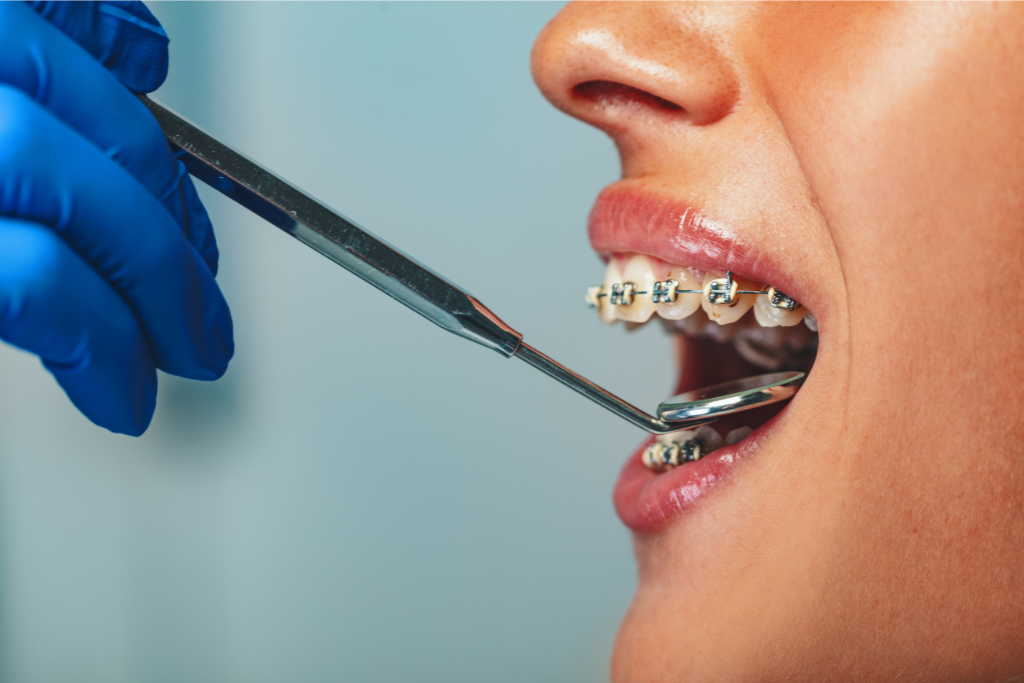
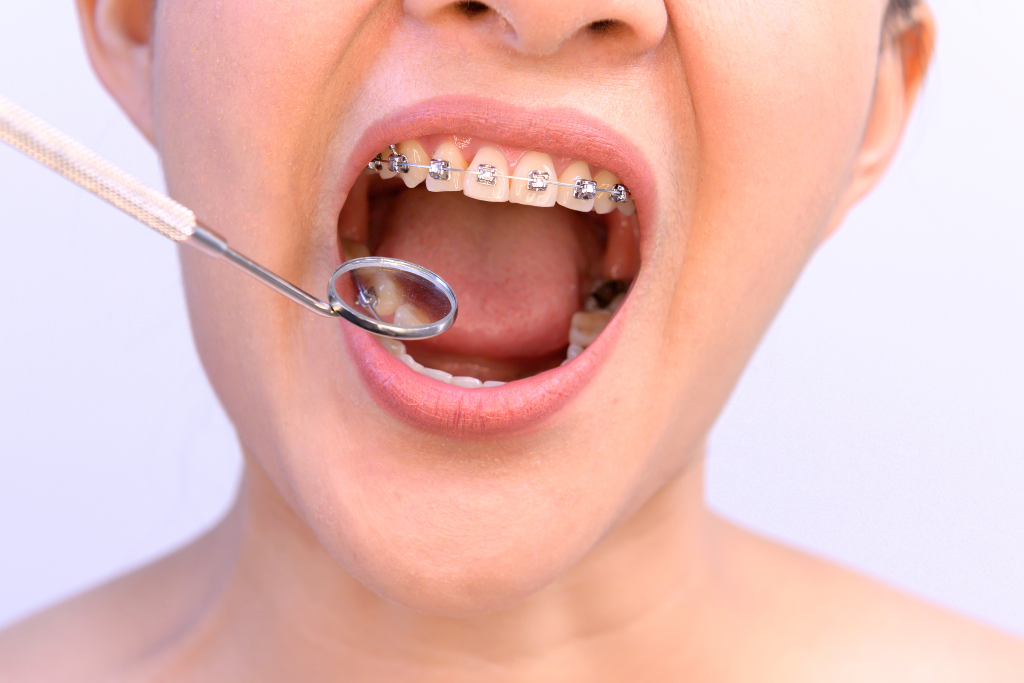
What exactly are braces, you may wonder? Well, think of them as the superheroes of orthodontics, working diligently to straighten and align your teeth. Braces consist of a combination of brackets, wires, and bands that work together to gently apply pressure on your teeth over time.
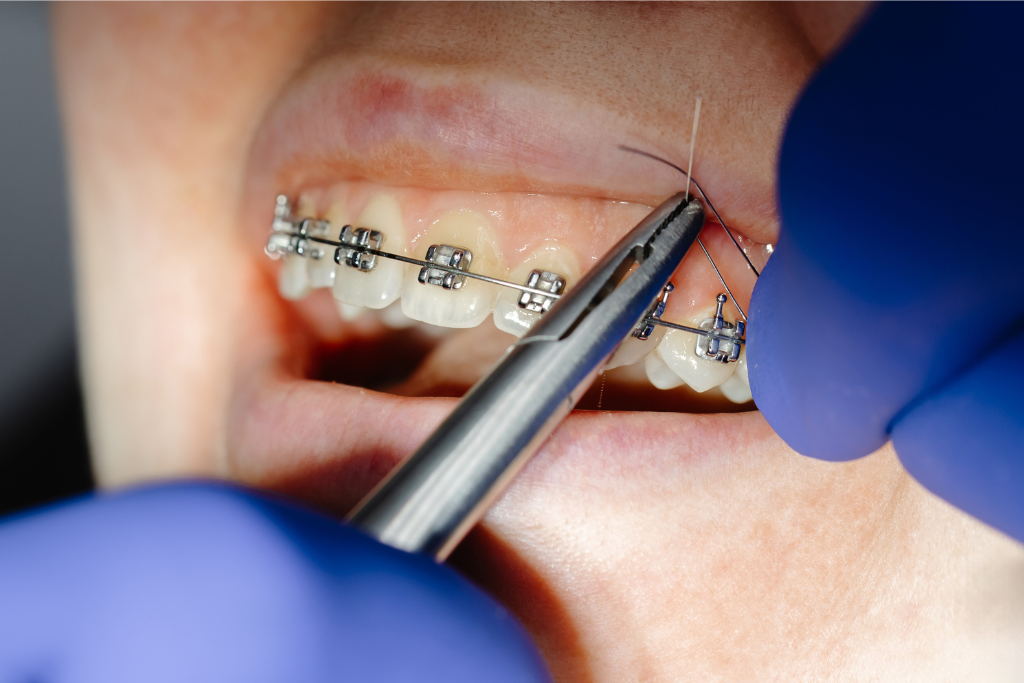
The brackets are small squares or rectangles made from either metal or ceramic materials. These little warriors are bonded to the front surface of each tooth with a special dental adhesive. The archwire then threads through these brackets and acts as the main force behind moving your teeth into their proper positions.
To hold everything in place, elastic bands called ligatures are used. These colorful additions not only secure the wire but also add some funky flair to your smile! And don’t worry if you’re not into bold colors; there are plenty of discreet options available too.
While traditional metal braces tend to be most common, there is now an array of alternative options for those seeking a more subtle approach. Ceramic braces blend in with your natural tooth color for a less noticeable look, while lingual braces attach behind your teeth for ultimate invisibility.
Now that we’ve covered what braces actually are, let’s move on to how they work their magic! Brace yourself (pun intended) for some jaw-dropping knowledge coming up next!
How do braces work?
Braces are a common orthodontic treatment that can work wonders for your smile. But have you ever wondered how they actually work? Well, let’s dive in and explore the magic behind braces!
At their core, braces apply gentle pressure to gradually shift your teeth into their desired positions. This is achieved through the use of brackets, wires, and sometimes rubber bands.
The first step in the process involves attaching small metal or ceramic brackets to each tooth using a special adhesive. These brackets act as anchors for the wires that will guide your teeth into place.
Once the brackets are in place, an archwire is threaded through them. The wire exerts constant pressure on your teeth, allowing them to slowly move over time. This process may cause some mild discomfort initially but don’t worry – it’s completely normal!
To enhance this movement even further, elastics or rubber bands may be used along with braces. These additional components help correct any bite issues by exerting force on specific areas of your jaw.
As time goes by and adjustments are made at regular check-ups with your orthodontist, you’ll start noticing visible changes in your smile! It’s important to remember that every person’s treatment plan is unique and individual results vary.
So there you have it – a brief overview of how braces work their magic! Now that you understand the basics, let’s move on to exploring different types of braces available today.
Different types of braces
When it comes to braces, there are several options available to help you achieve that perfect smile. Each type of brace has its own unique features and benefits, catering to different orthodontic needs.
- Traditional Metal Braces: These are the most common type of braces and consist of metal brackets attached to each tooth with wires running through them. While they may not be the most aesthetically pleasing option, they are highly effective in correcting a variety of dental issues.
- Ceramic Braces: Made from clear or tooth-colored materials, ceramic braces provide a more discreet alternative to traditional metal braces. They blend in with your natural teeth and are less noticeable.
- Lingual Braces: Unlike traditional braces that attach to the front surface of your teeth, lingual braces are placed on the backside (lingual) of your teeth. This makes them virtually invisible from the front and provides a great cosmetic option for those who want their treatment hidden.
- Invisalign aligners: These clear removable aligners offer an innovative approach to straightening teeth without using traditional brackets or wires. Invisalign aligners are custom-made for each individual and gradually shift the teeth into their desired position.
- Self-ligating Brackets: With self-ligating brackets, there is no need for elastic bands as these brackets have built-in clips that hold the archwire in place tightly.
Each type of brace offers its own advantages and disadvantages depending on factors such as cost, visibility, comfort level, and treatment duration among others.
How to care for your braces?
Caring for your braces is essential to ensure they work effectively and maintain their durability. Here are some tips to help you take care of your braces:
It’s crucial to brush your teeth after every meal or snack. This helps remove any food particles that may get stuck in the brackets or wires of your braces. Use a soft-bristle toothbrush and fluoride toothpaste for best results.
Flossing is also important, but with braces, it can be a bit trickier. Use floss threaders or orthodontic flossers to clean between the teeth and around the brackets. Regular dental check-ups are vital during orthodontic treatment, so make sure you schedule appointments every six months.
Avoid hard and sticky foods that can damage your braces such as chewing gum, popcorn, or candy apples. Opt for softer alternatives like fruits, vegetables, pasta, and yogurt.
Wearing a mouthguard while playing sports will protect both your teeth and braces from potential injuries. It’s also advisable to avoid habits like nail-biting or chewing on pens as these can put unnecessary pressure on the brackets.
Be patient throughout the process as achieving a perfect smile takes time. Follow all instructions provided by your orthodontist diligently to help achieve optimal results.
By following these simple guidelines for caring for your braces properly, you’ll contribute significantly towards maintaining good oral health and ensuring successful treatment outcomes!
The Bottom Line
Braces offer a proven and effective way to achieve a confident and perfect smile. Whether you have crooked teeth, overcrowding issues, or bite problems, braces can help straighten your teeth and correct any misalignment.
By understanding how braces work and the different types available, you can make an informed decision about which option is best for you. From traditional metal braces to more discreet options like ceramic or lingual braces, there is a solution that fits your lifestyle and preferences.
Caring for your braces is crucial in ensuring successful treatment. Following good oral hygiene practices such as brushing after meals, flossing daily, using mouthwash regularly, and avoiding certain foods will help keep your teeth clean and prevent any complications during your orthodontic journey.
Remember that wearing braces requires patience and commitment. It may take several months or even years to achieve the desired results, but the end outcome will be well worth it – a smile that truly reflects your inner confidence!
So don’t hesitate to consult with an orthodontist who can assess your dental needs and guide you through the process of getting braces. Embark on this path towards a beautiful smile today!