
When it comes to improving your smile, one of the most common questions people ask is: “Which works faster braces or Invisalign?” Straightening teeth is a significant decision, and choosing the right treatment depends on your goals, lifestyle, and dental needs. Whether you’re comparing traditional braces or modern clear aligners, understanding how speed varies between the two can help you make a confident choice with the guidance of an experienced orthodontist in Tulsa.
Understanding Treatment Speed: Braces vs. Invisalign
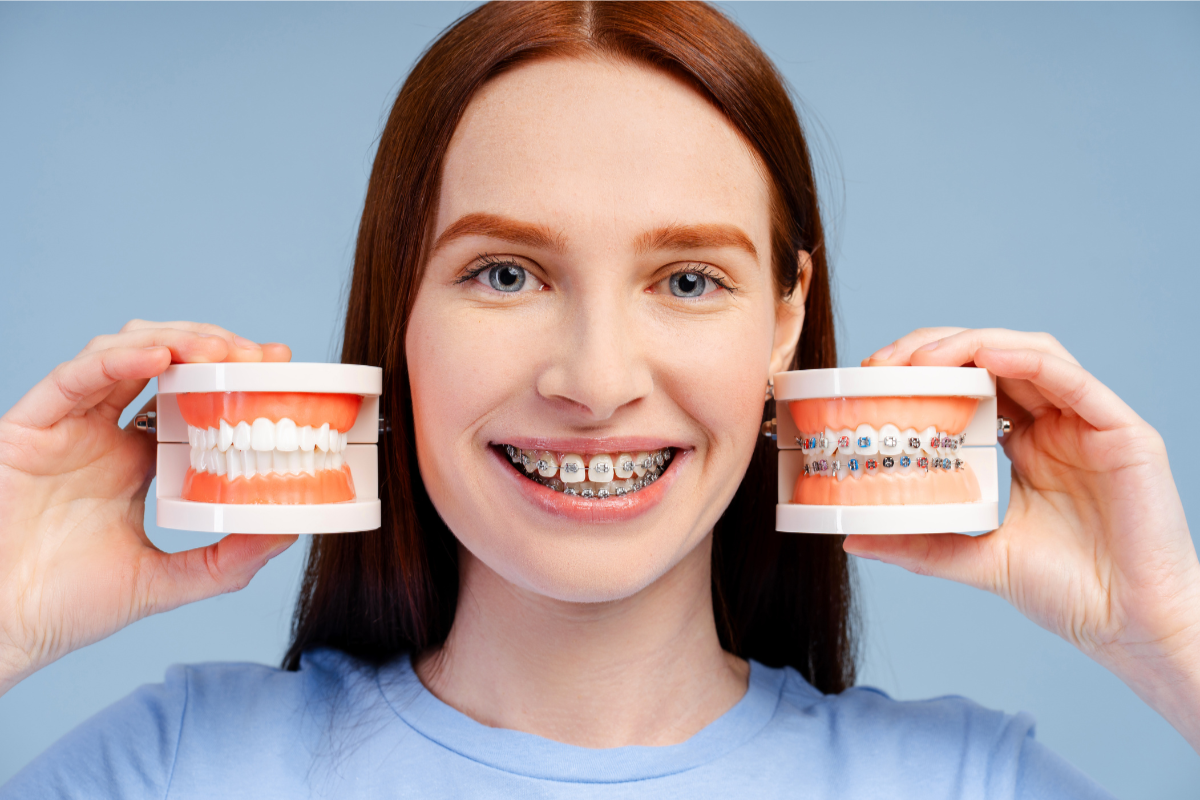
Both braces and Invisalign are designed to move your teeth into healthier, more aligned positions. However, the time it takes to complete treatment can differ depending on your case. Braces typically work more efficiently for complex issues because brackets and wires apply continuous pressure to guide teeth into place. Invisalign tends to work faster for mild to moderate cases because aligners are customized for controlled, predictable movements.
In this stage of decision-making, many patients search for an orthodontist near me in Tulsa to evaluate their teeth and determine which option can deliver a faster and more effective outcome. A skilled orthodontist can assess bite issues, crowding, spacing, and jaw alignment to recommend the best treatment plan.
How Fast Do Braces Work?
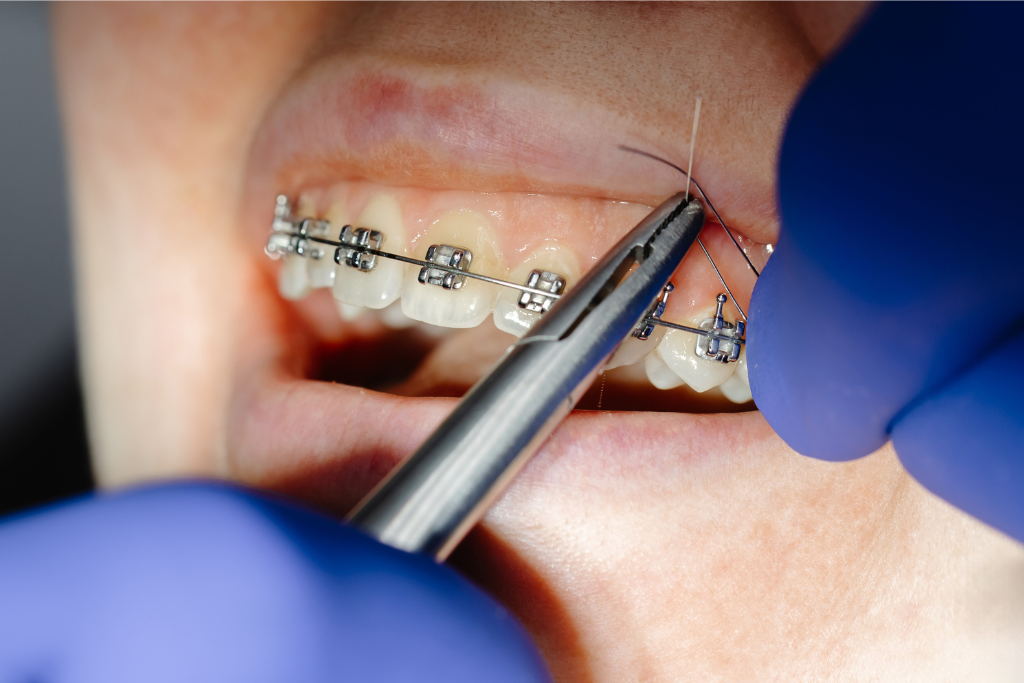
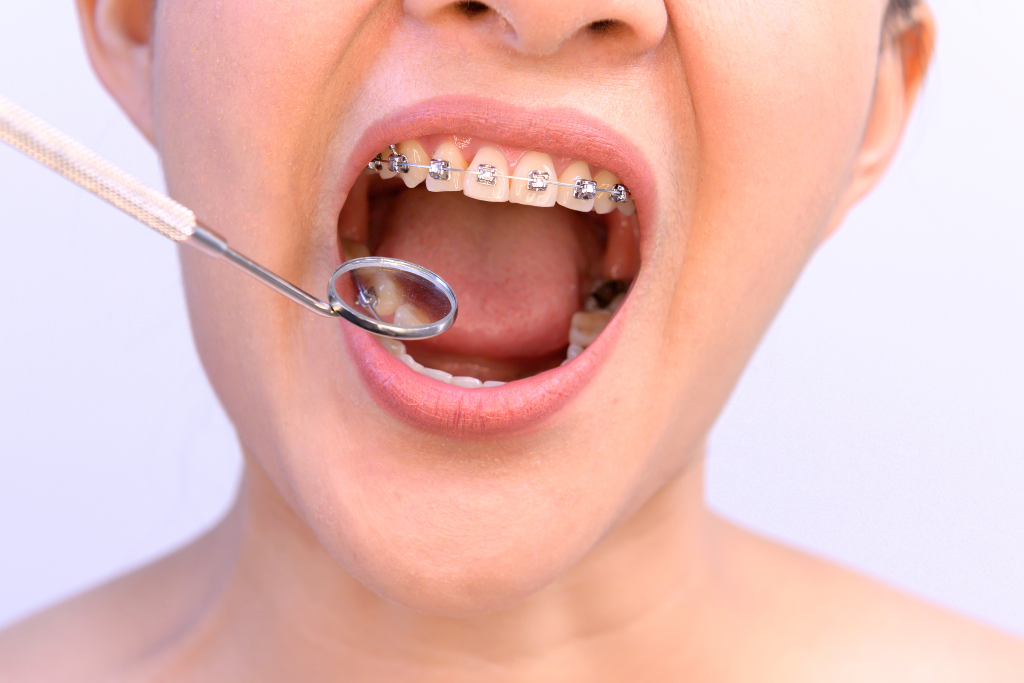
Traditional braces have been trusted for decades, and one of their major advantages is efficiency with complex dental concerns. Braces can address severe crowding, rotated teeth, bite problems, and jaw alignment more comprehensively. Because the system is always active thanks to archwires and elastics, braces often work more quickly for patients with significant corrections. Orthodontic adjustments every few weeks allow your orthodontist in Tulsa to fine-tune your progress and keep your teeth moving steadily.
How Fast Does Invisalign Work?
Invisalign is exceptionally effective for mild to moderate cases and is often faster when the treatment scope is simpler. The aligners provide precise, controlled movement based on computer-generated planning. Each set is worn for a specific period before switching to the next, gradually guiding your teeth into alignment. Invisalign’s speed depends heavily on compliance; patients must wear aligners as instructed to maintain consistent progress. When used correctly, Invisalign can straighten teeth efficiently and discreetly.
Which Is Faster Overall?
The speed of treatment ultimately depends on several factors:
- Severity of the dental problem
- Patient compliance (especially with Invisalign)
- Personal oral health
- Treatment planning by your orthodontist
In general, braces may straighten teeth faster for complex issues, while Invisalign may work more quickly for simpler alignment concerns. The only way to know which works faster for your unique smile is through an evaluation with an experienced orthodontist in Tulsa who can give you realistic expectations based on your case.
Final Thoughts: Choosing the Right Treatment for Faster Results
Deciding between braces and Invisalign isn’t just about speed, comfort, lifestyle, appearance, and long-term stability all matter. Scheduling a consultation with an orthodontist near me allows you to learn which method can deliver faster, healthier, and longer-lasting results.
If you’re ready to transform your smile with trusted guidance, Schroeder & Wyatt Orthodontics is here to help. Their experienced team will evaluate your teeth, explain your options, and create a personalized plan designed for efficiency and comfort. Request an appointment today to start your journey toward a confident, beautifully aligned smile.
FAQs
Which straightens teeth faster braces or Invisalign?
Braces tend to work faster for complex dental issues, while Invisalign may straighten teeth more quickly for mild to moderate alignment problems.
2. Why do braces work faster for severe cases?
Braces use brackets and wires that apply constant pressure, making them more effective and often faster for severe crowding, bite problems, and rotated teeth.
3. Can Invisalign be faster than braces?
Yes, Invisalign can be faster in cases where only small to moderate tooth movements are needed. Treatment speed depends heavily on wearing aligners as instructed.
4. Does treatment time depend on the orthodontist?
Yes. A well-planned treatment by an experienced orthodontist can impact speed and efficiency, regardless of whether you choose braces or Invisalign.
5. How long do braces take to straighten teeth?
Braces treatment time varies, but complex cases typically take longer. Your orthodontist will provide a personalized timeline after evaluating your teeth.
6. How long does Invisalign take to achieve results?
Invisalign timelines vary based on case complexity and patient compliance. Wearing aligners as instructed helps ensure faster, more predictable movement.
7. What factors affect how fast braces or Invisalign work?
Factors include case severity, oral health, patient cooperation, treatment type, and the orthodontist’s expertise.
8. Is Invisalign suitable for severe dental issues?
Invisalign can correct many concerns, but braces are often faster and more effective for severe crowding, rotated teeth, or major bite problems.