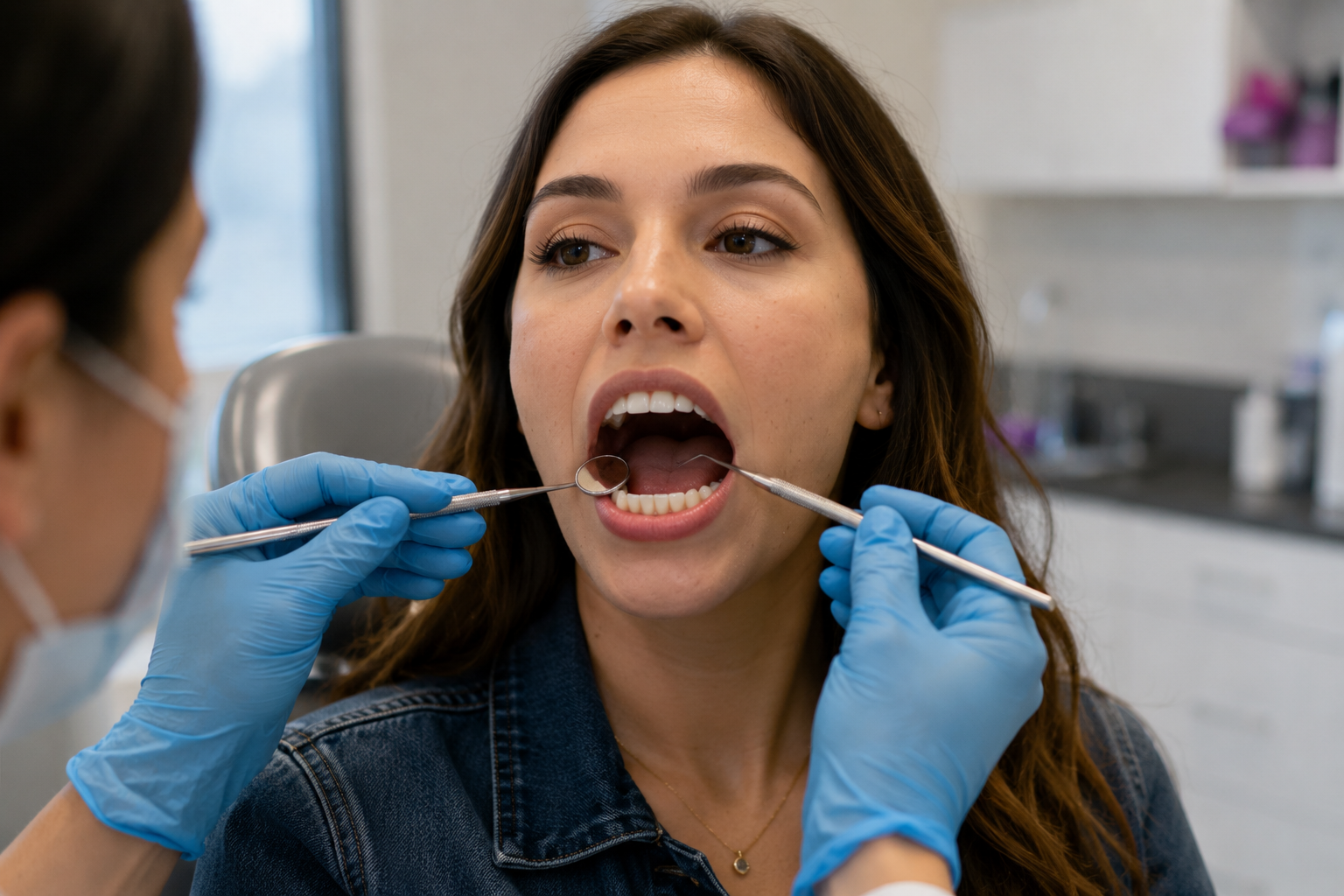

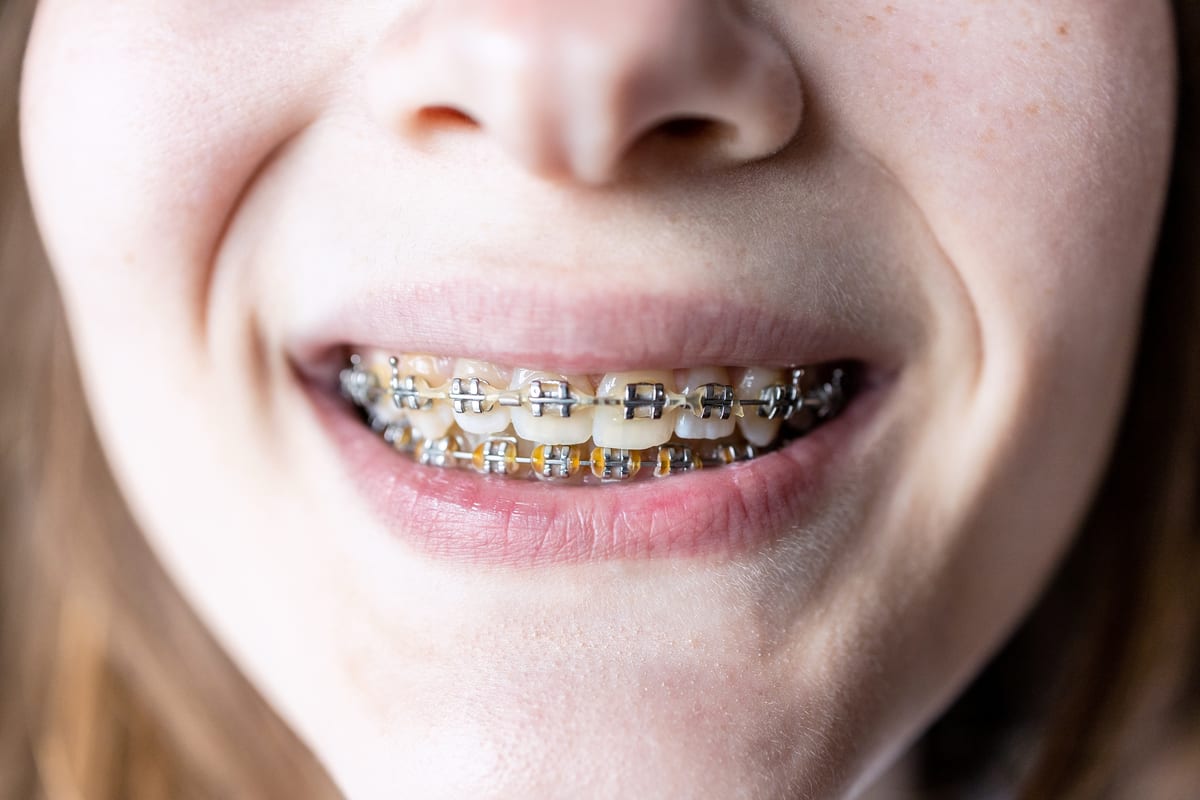
Getting your braces removed is an exciting milestone. But the journey does not end the moment those brackets come off. Knowing what to expect after braces in Claremore helps you protect your results and enjoy a smooth transition. At Schroeder & Wyatt Orthodontics, Dr. Wayne Wyatt and our friendly team want every patient to feel confident and prepared every step of the way.
This complete recovery guide covers everything you need to know. We will walk through the recovery timeline, what to eat, how to manage discomfort, and when to reach out to us. Whether you just finished traditional braces or are considering Invisalign Claremore, this guide has you covered.
Your Recovery Timeline After Braces in Claremore
Most patients are surprised to learn that recovery after braces is gradual. Your teeth and gums need time to adjust to their new positions. The tissue and bone surrounding your teeth have shifted over months or even years of treatment.
Here is a general timeline of what to expect:
- Days 1–3: Mild soreness and tooth sensitivity are very common. Your mouth may feel strange without brackets.
- Week 1: Gum tenderness typically begins to ease. You will start wearing your retainer full-time during this period.
- Weeks 2–4: Most discomfort resolves. Your bite begins to feel more natural and settled.
- Months 1–6: Teeth continue stabilizing in their new positions. Retainer wear remains critical during this phase.
- Long-term: With consistent retainer use, your results can last a lifetime.
Everyone heals at a slightly different pace. Do not worry if your experience differs a little from this timeline. Dr. Wayne Wyatt will give you personalized guidance at your removal appointment.
What to Eat After Your Braces Come Off
Your diet plays a big role in your comfort during the first few weeks. Although your brackets are gone, your teeth may still feel sensitive. Eating the right foods helps you avoid unnecessary pain and protects your newly aligned smile.
During the first few days, stick to soft and easy-to-chew foods. Good choices include yogurt, mashed potatoes, scrambled eggs, pasta, and smoothies. Avoid anything very hard, crunchy, or chewy right away.
Here are some foods to enjoy and some to limit early on:
- Safe choices: Soft fruits, cooked vegetables, soup, oatmeal, soft bread, and fish
- Limit at first: Raw apples, hard chips, crusty bread, popcorn, and tough meats
- Avoid entirely initially: Sticky candies, hard nuts, and ice chewing
By the end of the first week, most patients return to a fairly normal diet. Always listen to your body. If something causes pain, wait a few more days before trying it again.
Managing Discomfort and Soreness After Braces
Some level of soreness after braces removal is completely normal. Your teeth have been under steady pressure throughout treatment. Removing that pressure causes a natural adjustment period for the surrounding tissue and bone.
Over-the-counter pain relievers like ibuprofen or acetaminophen can help significantly. Always follow the dosing instructions on the label. Saltwater rinses are another easy and effective remedy for gum tenderness.
A few additional tips to ease discomfort include:
- Apply a cold compress to your jaw for 10–15 minutes at a time
- Avoid extremely hot or cold foods during the first few days
- Rinse gently with warm saltwater twice daily
- Use a soft-bristled toothbrush and gentle pressure when brushing
Most discomfort fades within three to five days. If pain feels severe or worsens after the first week, contact our office right away. That level of discomfort is not typical and deserves a closer look.
The Importance of Your Retainer After Braces
Your retainer is the single most important part of post-braces care. Without it, teeth can and will shift back toward their original positions. This process is called relapse, and it happens faster than most patients expect.
Dr. Wayne Wyatt will provide a custom retainer at your removal appointment. You will typically wear it full-time for the first several months. After that, most patients transition to wearing it only at night.
Retainer care is simple but important. Rinse it with cool water after meals and clean it daily with a soft brush. Store it in its case when not in use to avoid accidental damage or loss. For Patients Claremore, we are always available to answer retainer questions between visits.
Never skip your retainer, even for one night early in your recovery. The teeth are most vulnerable to shifting in the first six months. Building a consistent retainer habit now protects your investment for years to come.
Oral Hygiene and Your First Dental Visits Post-Braces
Now that your braces are off, oral hygiene becomes easier and more effective. Brackets and wires made thorough brushing challenging. You now have full access to every surface of your teeth.
Brush at least twice daily using fluoride toothpaste and a soft-bristled brush. Floss once a day to remove plaque from between the teeth. Adding a fluoride mouthwash can offer extra protection, especially if your enamel needs rebuilding after braces.
Schedule a professional cleaning soon after your braces are removed. This appointment lets your hygienist remove any buildup that accumulated during treatment. It also gives Dr. Wyatt a chance to check your gum health and overall oral condition post-braces.
When to Call Schroeder & Wyatt Orthodontics in Claremore
Most post-braces recovery is smooth and uneventful. However, some situations warrant a call to our office. Knowing when to reach out puts you in control of your recovery.
Contact us if you experience any of the following:
- Pain that worsens after the first week instead of improving
- Visible tooth movement even while wearing your retainer
- A broken, cracked, or lost retainer
- Unusual swelling, bleeding gums, or sores that do not heal
- Sensitivity that affects your ability to eat or drink normally
We are here to support you through every stage of your orthodontic journey. Do not hesitate to reach out if something feels off. Early attention to concerns always leads to better outcomes.
Conclusion: Your Smile Is Worth the Extra Care
Understanding what to expect after braces puts you in the best position for lasting results. Follow your retainer schedule, maintain great oral hygiene, and eat mindfully during your recovery. Dr. Wayne Wyatt and the entire team at Schroeder & Wyatt Orthodontics in Claremore are proud to support you beyond the day your braces come off. Book Now to schedule your appointment with our team.
Frequently Asked Questions
How long does soreness last after braces are removed?
Most patients experience mild soreness for three to five days after their braces come off. The discomfort is typically manageable with over-the-counter pain relievers and saltwater rinses. If soreness persists beyond a week or worsens, contact our Claremore office for guidance.
When can I eat normally after getting my braces off?
Most patients return to a normal diet within one to two weeks after braces removal. During the first few days, stick to soft foods like yogurt, mashed potatoes, and pasta. Gradually reintroduce harder or crunchier foods as your sensitivity decreases.
How often do I need to wear my retainer after braces?
Dr. Wayne Wyatt typically recommends wearing your retainer full-time for the first several months after braces. After that, most patients wear it nightly for long-term maintenance. Skipping retainer wear, especially early on, can cause noticeable tooth shifting.
What happens if I lose my retainer after braces?
Contact Schroeder & Wyatt Orthodontics in Claremore right away if you lose or break your retainer. We will schedule a replacement as quickly as possible. Teeth can begin shifting within just a few days without proper retention.
Is it normal for my bite to feel different right after braces removal?
Yes, it is completely normal for your bite to feel different or slightly unfamiliar immediately after braces come off. Your teeth, jaw muscles, and surrounding tissue all need time to adjust. This sensation usually resolves within a few weeks as everything settles into place.