
You finally get your braces off, you smile into the mirror, and instead of the even, bright smile you pictured, you spot chalky white patches near the gumline. If you’ve searched for braces near me in Tulsa and are getting ready to start treatment, this is one thing worth understanding before those brackets ever touch your teeth.
Those white patches are called white spot lesions, and they’re one of the most common and most preventable side effects of orthodontic work. They happen when plaque builds up around brackets and isn’t cleaned off properly, causing the enamel underneath to lose minerals and turn a dull, opaque white. The good news? With the right habits during braces treatment, you can avoid them almost entirely and walk out with the smile you actually signed up for.
Why White Spots Show Up Around Brackets
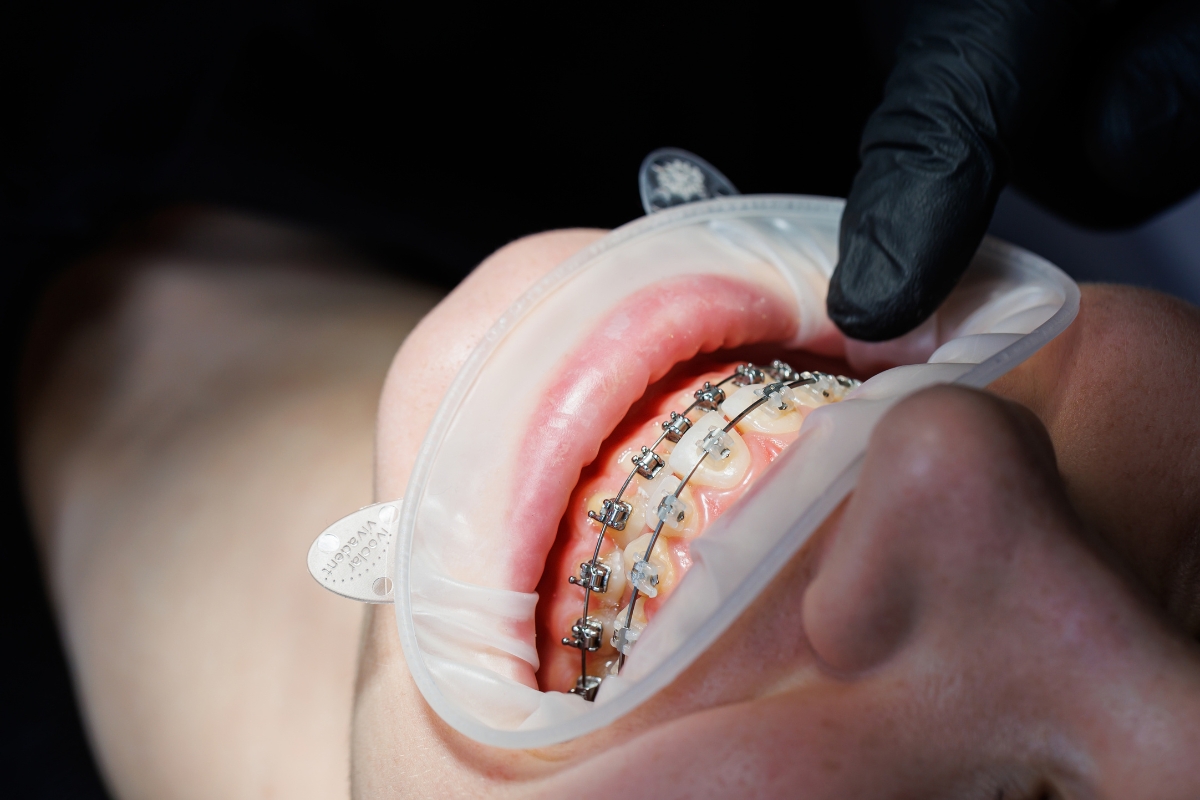
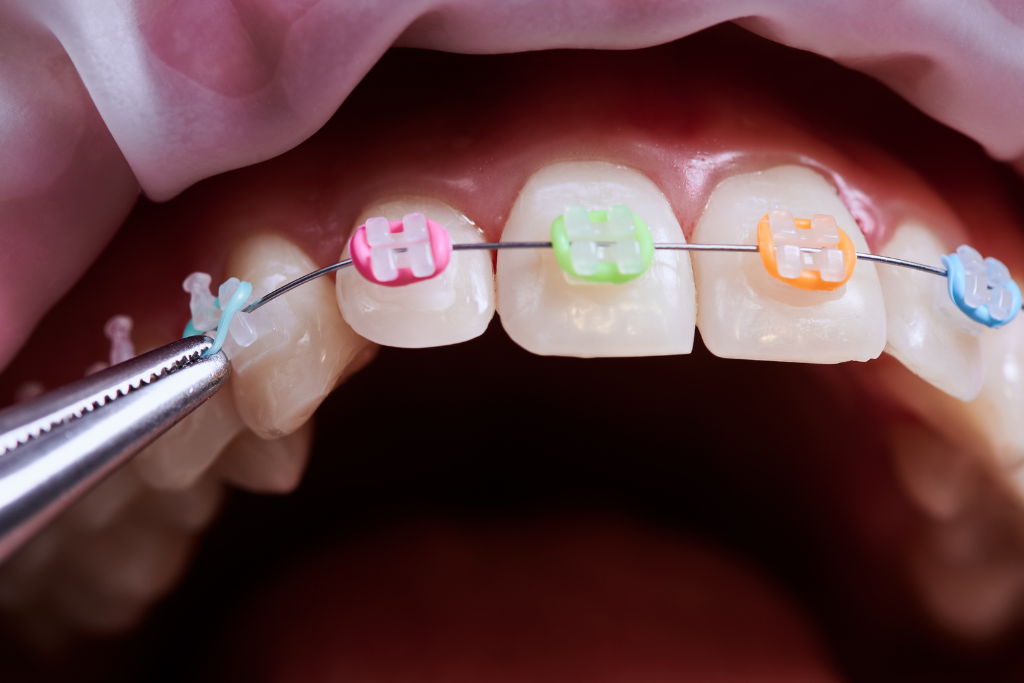
Brackets and wires create dozens of tiny nooks where food particles and bacteria love to hide. If brushing gets rushed or skipped (we’ve all been there during a busy Tulsa work week), plaque can remain against the enamel for too long. Over time, the acid produced by that plaque gradually removes minerals from the tooth surface, and the enamel surrounding each bracket where saliva has a harder time naturally restoring those minerals is often the first area to show signs of demineralization. That’s why white spots typically appear in the distinct square or rectangular shape left behind after the brackets are removed. If you’ve been searching for braces near me in Tulsa, choosing an orthodontic team that emphasizes proper oral hygiene and enamel protection throughout treatment can make all the difference in achieving healthy, beautiful results.
Sugary drinks and snacks make the problem worse. Tulsa summers practically run on sweet tea and Sonic slushes, and while nobody’s saying give those up entirely, sipping on sugary drinks throughout the day (rather than finishing them in one sitting) keeps your teeth bathed in acid for hours longer than necessary.
How to Protect Your Enamel While You’re in Braces
Preventing white spots doesn’t require anything fancy. It just requires consistency.
- Brush at a 45-degree angle around every bracket, not just across the surface, and don’t rush it two full minutes, twice a day, minimum.
- Use a fluoride toothpaste and consider an alcohol-free fluoride rinse before bed, since nighttime is when saliva flow slows down and teeth are most vulnerable.
- Floss with a threader or orthodontic flosser daily; a water flosser is a great addition if brushing alone isn’t cutting it.
- Cut back on sipping soda, sports drinks, and sweet tea throughout the day, and rinse with water after meals when you can’t brush right away.
If you’re already noticing plaque buildup or your gums look puffy and red around your brackets, don’t wait for your next scheduled visit call your orthodontist. Catching irritation early is far easier to manage than fixing enamel damage after the fact.
Why Local Guidance Matters
Every water supply is different, and that actually matters for enamel strength. Tulsa’s municipal water is fluoridated, which gives local patients a small head start on cavity and white spot prevention compared to areas without fluoridated water. But that baseline protection isn’t a substitute for good brushing habits; it just means the odds are already slightly in your favor if you’re getting braces in Tulsa.
Local diet habits play a role too. Between Friday night high school football concession stands, QuikTrip runs, and the sheer number of barbecue joints along Route 66, sugar and acid exposure add up fast for teens and adults alike. None of that means you need to change your whole lifestyle, it just means a little extra attention to rinsing and brushing after those treats goes a long way when you’re wearing brackets.
What Your Orthodontist Can Do to Help
A good orthodontic team does more than just tighten wires, and it’s one of the reasons choosing the right practice for braces in Tulsa matters as much as choosing the right treatment plan. Ask about:
- Fluoride varnish applications at your adjustment visits
- MI Paste or similar remineralizing treatments if you’re prone to sensitive teeth
- A quick oral hygiene check-in each visit, so small plaque buildup gets caught before it becomes a permanent white spot
Regular six-month dental cleanings alongside your orthodontic visits also make a real difference. Your orthodontist and your dentist are both watching different things, and together they catch issues neither one would notice alone.
Ready for a Straighter, Healthier Smile?
White spots are avoidable, but only if you have a plan from day one and that plan starts with choosing the right orthodontic team. The best results come from a practice that prioritizes enamel health and oral hygiene from your very first consultation, not just wire adjustments. By learning the right habits early and staying consistent throughout treatment, you can finish your braces journey with teeth that are just as healthy as they are straight.
White spots don’t have to be part of your braces journey. With the right daily habits and a provider who prioritizes your enamel health as much as your alignment, you can protect your smile from the very first day. If you’re searching for braces near me in Tulsa and want a team that treats prevention as seriously as straightening, Schroeder & Wyatt Orthodontics is ready to help. Book your consultation today and start your treatment with confidence, knowing your smile is protected every step of the way.
Frequently Asked Questions
Can white spots from braces be reversed?
Yes, mild white spots often improve with fluoride treatments or remineralizing products. More noticeable spots may require cosmetic treatment after your braces are removed.
How quickly can white spots develop?
White spots can begin forming within a few weeks if plaque isn’t removed consistently, making daily brushing and flossing essential.
Are white spots more common with braces or clear aligners?
They are more common with traditional braces because brackets create more places for plaque to build up. Good oral hygiene is important with any orthodontic treatment.
Does fluoridated tap water help prevent white spots?
Fluoridated water helps strengthen enamel, but it works best alongside consistent brushing, flossing, and regular dental care.
What’s the earliest sign of a white spot?
Watch for dull, chalky-looking patches near your brackets or gumline. Early detection gives you the best chance to prevent permanent discoloration.