

You’re considering Invisalign. Fantastic! You’re on your way to a straighter, more confident smile. But a nagging question lingers: “Does Invisalign increase my risk of cavities?” Or “ Does Invisalign Cause Cavities?” It’s a valid concern. Let’s break down the facts and separate myth from reality.
The Straight Scoop on Aligners and Bacteria
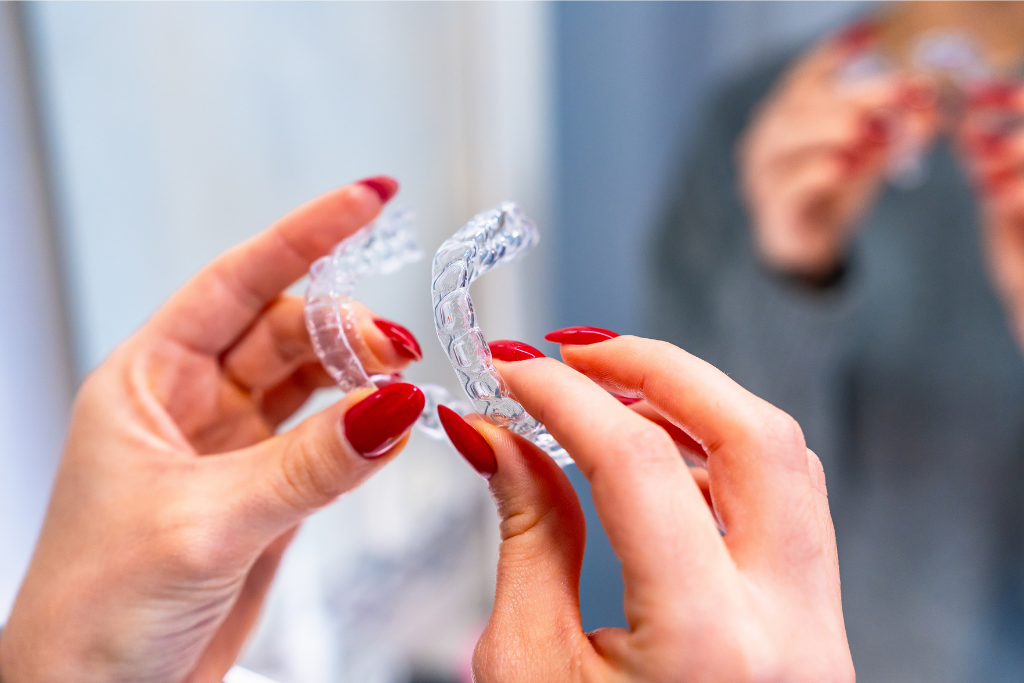
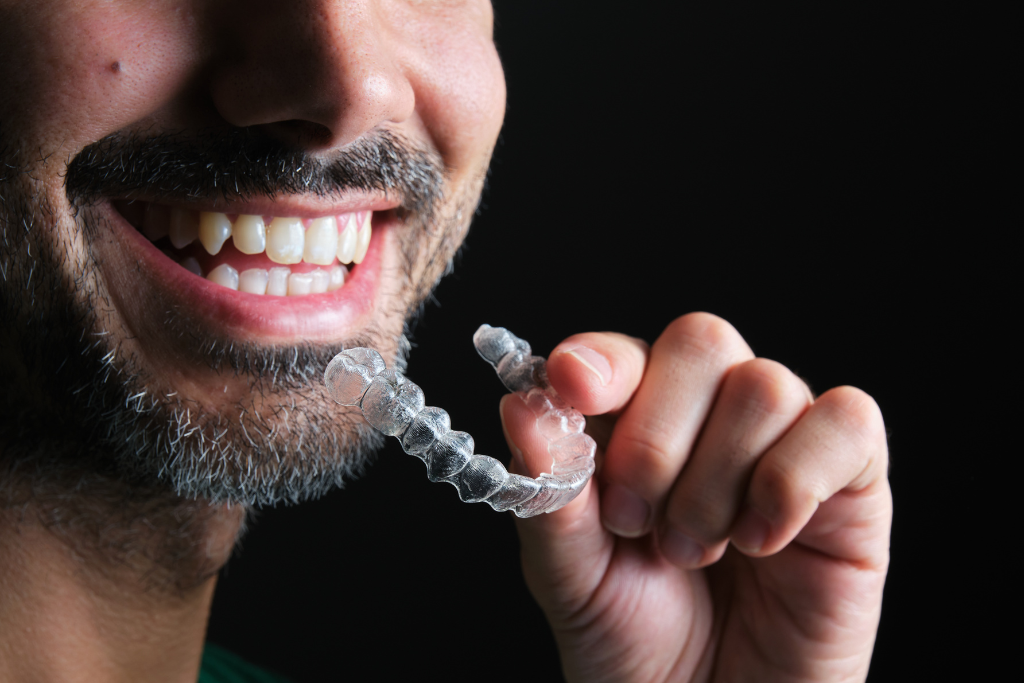
Invisalign aligners, like any oral appliance, can create environments where bacteria thrive. This happens when food particles and plaque get trapped between the aligners and your teeth. If you don’t maintain proper oral hygiene, these trapped particles can lead to increased acidity and a higher risk of cavities. However, the aligners themselves don’t cause cavities. It’s what gets trapped underneath that can create problems.
Oral Hygiene: Your Cavity-Fighting Superpower
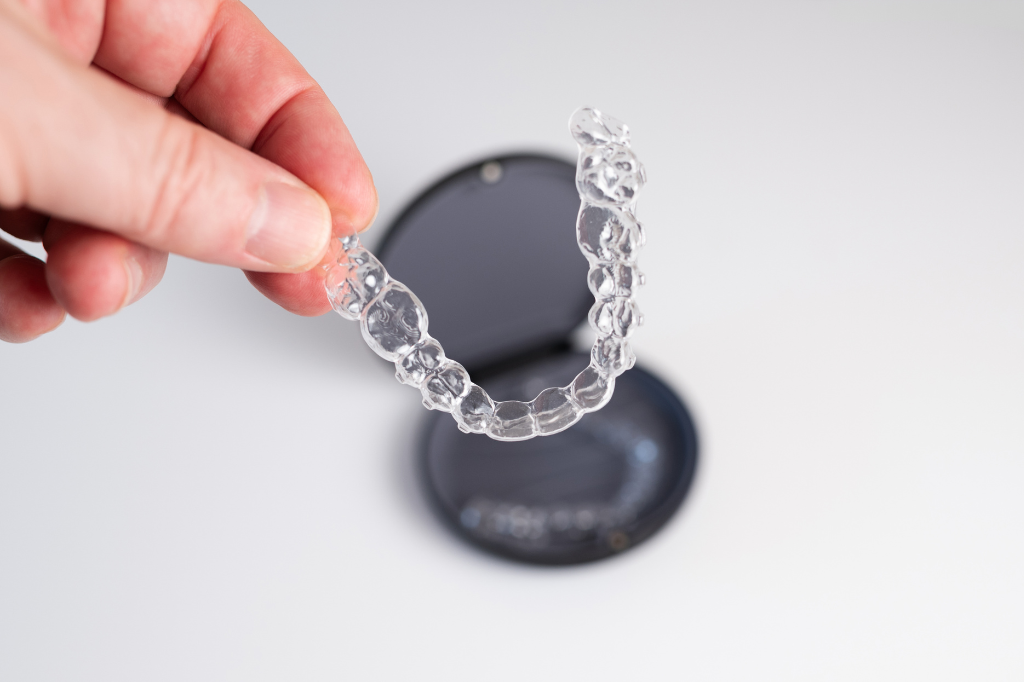
The key to preventing cavities with Invisalign is diligent oral hygiene. Brushing and flossing after every meal is crucial. You must remove your aligners before eating or drinking anything other than water. Clean your aligners thoroughly with soap and water or a specialized cleaner. This prevents bacteria buildup on the aligners themselves. A good oral hygiene routine is your best defense.
Dry Mouth and Invisalign: A Potential Connection
Some individuals experience dry mouth while wearing Invisalign. Saliva plays a vital role in neutralizing acids and washing away food particles. A decrease in saliva production can increase your cavity risk. If you experience dry mouth, drink plenty of water and consider using sugar-free gum or saliva substitutes.
Regular Dental Checkups: Your Ally in Cavity Prevention
Regular dental checkups are essential, especially during Invisalign treatment. Your dentist can identify potential issues early on and provide professional cleanings to remove plaque and tartar buildup. They can also provide guidance on maintaining optimal oral hygiene while wearing aligners. If you are looking for Invisalign in Tulsa, our orthodontist can promise regular checkups to ensure that your dental health is maintained.
The Role of Diet in Cavity Prevention
Your diet plays a significant role in your oral health. Sugary and acidic foods and drinks contribute to cavity formation. Limit your intake of these items, and opt for a balanced diet rich in fruits, vegetables, and whole grains. This will not only improve your oral health but also your overall well-being.
Invisalign and Gum Health: An Indirect Link to Cavities
While Invisalign primarily focuses on straightening teeth, it can indirectly affect gum health. Poorly aligned teeth can be difficult to clean, leading to gum inflammation and potential gum recession. Receding gums can expose the root surfaces of your teeth, making them more susceptible to cavities. This is why it is important to follow the instructions of your dentist. For people seeking Invisalign in Tulsa, this is a vital part of the process.
Invisalign Doesn’t Cause Cavities, Neglect Does.
Invisalign itself doesn’t increase your risk of cavities. Poor oral hygiene and dietary habits are the culprits. By maintaining a consistent oral hygiene routine, following your dentist’s instructions, and making healthy lifestyle choices, you can confidently achieve a straighter smile without worrying about cavities.
Cavity Prevention Tips During Invisalign Treatment: A Quick Recap
Let’s solidify your cavity-fighting strategy with these easy-to-remember pointers:
- Brush and Floss After Every Meal: This is non-negotiable. Remove food particles and plaque before reinserting your aligners.
- Clean Your Aligners Daily: Use mild soap and water or a specialized aligner cleaner. Bacteria buildup on the aligners can transfer to your teeth.
- Stay Hydrated: Drink plenty of water throughout the day. This helps wash away food particles and combats dry mouths.
- Limit Sugary and Acidic Foods/Drinks: These are prime cavity-causing culprits. Opt for healthy, balanced meals.
- Maintain Regular Dental Checkups: Professional cleanings and checkups are crucial for early detection and prevention.
- Address Dry Mouth: If you experience dry mouth, consider sugar-free gum or saliva substitutes.
- Follow Your Dentist’s Instructions: Adhere to their recommendations for aligner wear and oral hygiene.
- Be Mindful of Gum Health: Practice proper oral hygiene to prevent gum inflammation and recession.
- Carry a Travel Toothbrush Kit: Being prepared while on the go helps maintain your oral hygiene routine.
- Rinse After Snacking: If you snack, rinse your mouth with water before placing aligners back in.
Ready for a Straighter, Healthier Smile?
Don’t let cavity concerns hold you back from achieving the smile you’ve always wanted. If you’re considering Invisalign in Tulsa, schedule a consultation today! Our experienced team can answer all your questions and help you achieve a beautiful, healthy smile.