
When it comes to your child’s dental health, timing is everything. Parents often wonder, “What age should kids come to an orthodontist?” The answer isn’t one-size-fits-all, but early evaluation can lead to optimal outcomes. Here’s what you need to know.
The American Association of Orthodontists Recommendation
The American Association of Orthodontists (AAO) recommends that children see an orthodontist by age 7. At this age, permanent teeth start to come in, and any potential issues can be identified early. An orthodontist can assess how the teeth, jaw, and bite align. Early intervention can prevent more complex treatment down the road.
Why Early Evaluation Matters
Early visits help identify problems before they become significant issues. Conditions like overcrowding, crossbites, and misalignment can develop as adult teeth emerge. By identifying these concerns early, an orthodontist can create a treatment plan tailored to your child’s needs.
For example, if a child has a severe overbite or underbite, early intervention can lead to a more straightforward correction later. Addressing these problems sooner can help ensure that the jaw develops correctly.
Signs Your Child May Need to See an Orthodontist Sooner
While the AAO recommends a visit by age 7, certain signs may indicate your child should see an orthodontist earlier. Look for these red flags:
- Early or Late Loss of Baby Teeth: If your child loses baby teeth too early or too late, it can affect their permanent teeth’s positioning.
- Difficulty Chewing or Biting: Struggling to bite or chew food may indicate alignment issues.
- Crowded or Overlapping Teeth: If your child’s teeth appear crowded or overlap, an orthodontic evaluation is essential.
- Jaw Pain or Clicking: Complaints of jaw pain or clicking can signal underlying issues that need attention.
Common Orthodontic Treatments for Kids
Once your child sees the orthodontist, they may recommend various treatments depending on their needs. Here are some common options:
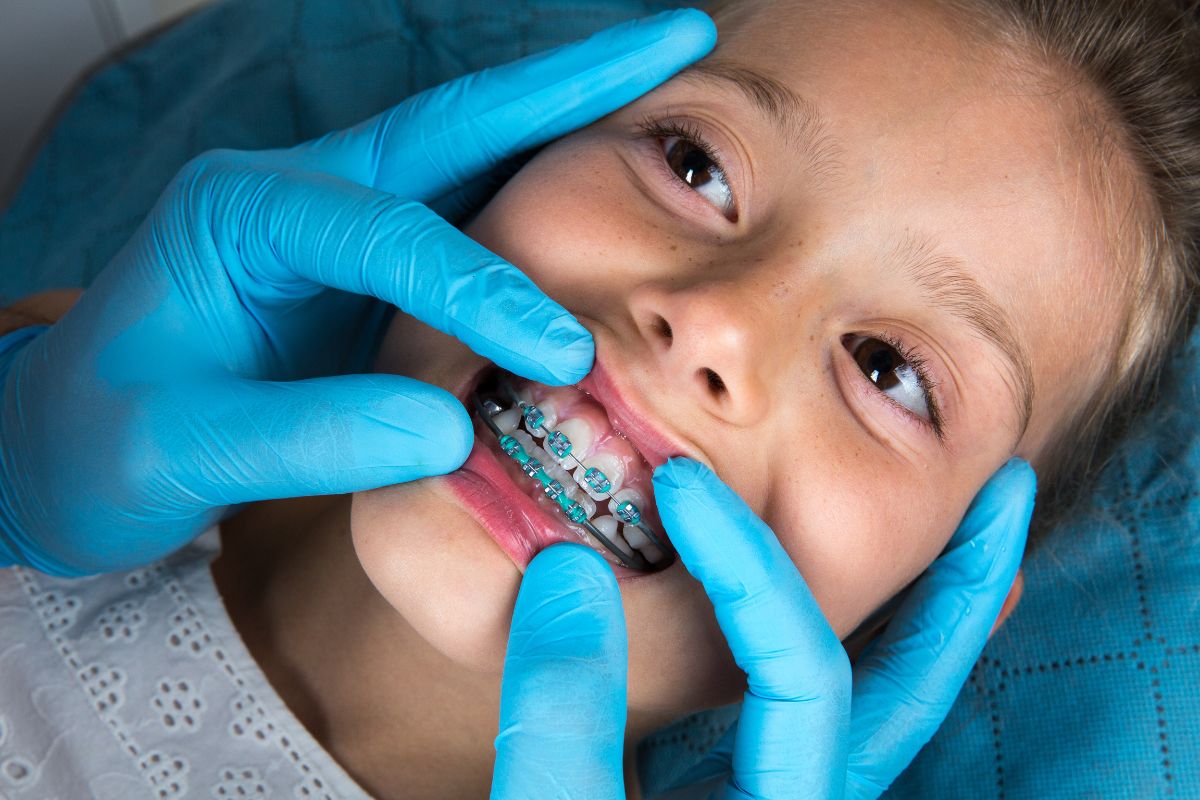
- Braces: Traditional metal braces are often the go-to for many children. They effectively correct alignment and bite issues.
- Clear Aligners: For older kids or teens, clear aligners can provide a more discreet option for orthodontic treatment in Tulsa.
- Expanders: A palatal expander can widen the upper jaw to create more space for teeth to align properly.
- Retainers: After braces, retainers help maintain teeth in their new positions. Wearing retainers as prescribed is crucial for lasting results.
The Benefits of Early Treatment
Early orthodontic intervention can lead to numerous benefits. Some of these include:
- Reduced Need for Future Treatments: Addressing issues early can mean less invasive procedures later on.
- Improved Self-Esteem: A straight smile can boost your child’s confidence during their formative years.
- Better Oral Health: Properly aligned teeth are easier to clean, reducing the risk of cavities and gum disease.
How to Prepare for the First Visit
Preparing for your child’s first orthodontic visit can help ease any anxiety. Here are a few tips:
- Talk About What to Expect: Explain to your child that the visit is to check their teeth and jaw.
- Gather Records: Bring any relevant dental records or x-rays to the appointment.
- Ask Questions: Prepare a list of questions to ensure you cover all your concerns.
Conclusion
Determining the right time for your child’s orthodontic evaluation is essential for their dental health. While age 7 is the general recommendation, paying attention to signs that indicate an earlier visit can help.
Whether your child needs braces, clear aligners, or another form of orthodontic treatment in Tulsa, early intervention leads to better results. Don’t hesitate to reach out to a qualified orthodontist for a consultation. Your child’s smile is worth it!