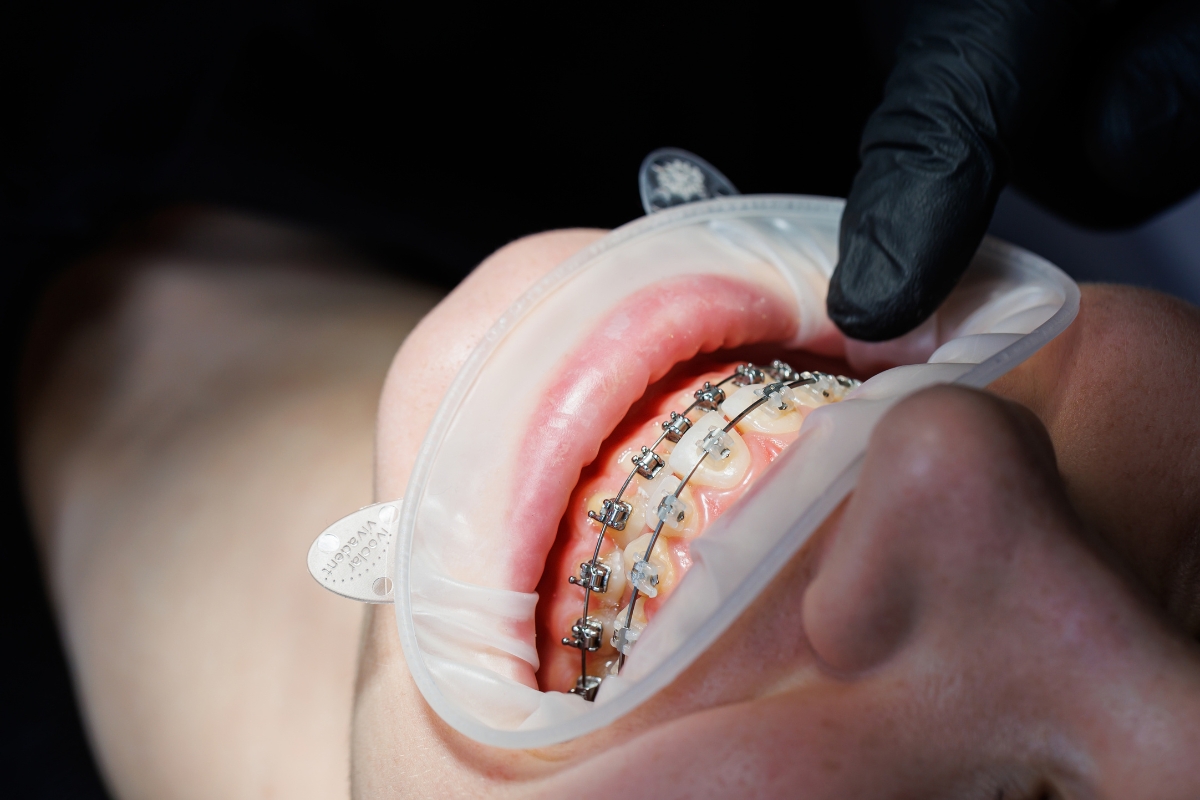

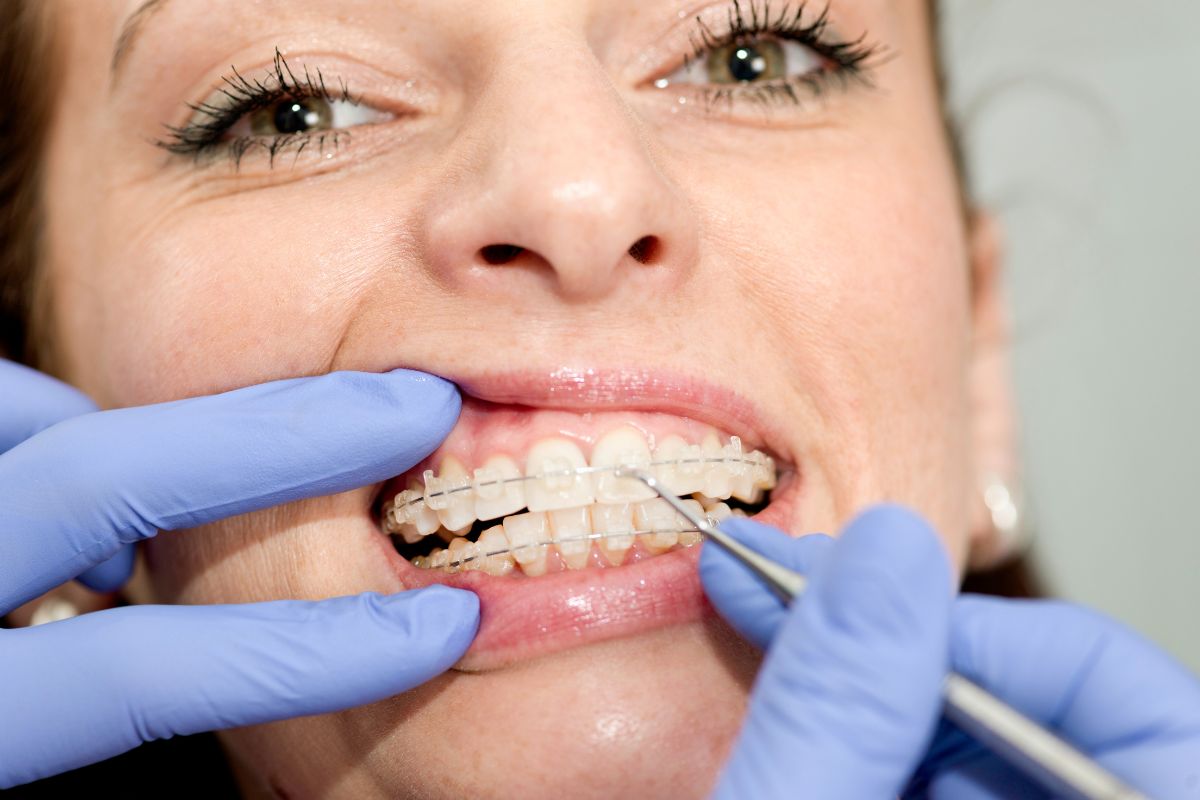
Orthodontic emergencies can happen when you least expect them. Knowing what to do can save time and pain. If you have braces in Tulsa, you should be prepared to handle common issues that may arise. Below are key steps to take during an orthodontic emergency to ensure your treatment stays on track.
1. What Is Considered an Orthodontic Emergency?
Orthodontic emergencies typically involve significant pain, injury, or issues with your braces in Tulsa that affect your treatment. Examples include broken brackets, loose wires, or discomfort caused by orthodontic devices. While these situations can be alarming, most are manageable until you can see your orthodontist.
2. Dealing with a Loose or Broken Bracket
If a bracket becomes loose or breaks, it can cause discomfort. First, try to move it back into place using a clean tool, such as tweezers. Be careful not to apply too much pressure. If it’s not possible to reposition the bracket, apply orthodontic wax to the area to avoid irritation until you can see your orthodontist. This will help protect your gums and cheeks from injury.
3. Managing a Poking Wire
A loose wire can poke the inside of your mouth, leading to sores and pain. To fix this, gently push the wire back with a clean pencil eraser or cotton swab. If you can’t reposition it, use orthodontic wax to cover the sharp end. This temporary fix should ease your discomfort until you can get professional help for your braces in Tulsa.
4. Handling General Discomfort or Soreness
During orthodontic treatment, it’s common to feel some discomfort, especially after adjustments. This is not an emergency, but you can relieve soreness with over-the-counter pain relievers like ibuprofen. Additionally, rinsing your mouth with warm salt water can soothe the affected area. Ensure you follow your orthodontist’s instructions for managing any persistent discomfort.
5. What to Do If a Band or Spacer Falls Out
Bands or spacers are crucial for keeping teeth properly aligned. If one falls out, contact your orthodontist immediately. Keep the band or spacer if you can, but don’t try to fix it yourself. This ensures no further damage is done to your braces in Tulsa and that treatment remains on schedule.
6. Addressing Mouth Sores
Braces can sometimes cause sores in your mouth due to irritation. To alleviate this, apply orthodontic wax over the brackets or wires causing discomfort. You can also use a topical numbing gel to reduce pain. Keeping your mouth clean with regular brushing and rinsing will help prevent infection and promote healing.
7. What to Do in Case of a More Severe Emergency
If you experience trauma to your face or mouth, such as during sports, it’s essential to contact your orthodontist and possibly seek emergency dental care. In more severe cases, such as broken teeth or extreme bleeding, immediate attention is crucial. Always wear a mouthguard during physical activities to prevent these emergencies.
8. Preventing Orthodontic Emergencies
Most orthodontic emergencies can be prevented by taking proper care of your braces in Tulsa. Avoid eating hard, sticky, or chewy foods that can damage your braces. Also, maintain a consistent oral hygiene routine to prevent complications. Keeping your scheduled orthodontic appointments ensures that your braces are in good shape and adjustments are made when necessary.
9. When Should You Contact Your Orthodontist?
Knowing when to contact your orthodontist can save you from unnecessary worry. If you experience pain that doesn’t go away, or if your braces are causing significant problems like broken brackets or wires, it’s time to make an appointment. Minor discomfort can often be managed at home, but don’t hesitate to reach out if you’re unsure.
Final Thoughts
Orthodontic emergencies can be stressful, but knowing how to handle them can make a big difference. Taking swift action with broken brackets, loose wires, and discomfort helps protect your braces in Tulsa and prevents further complications. Always consult your orthodontist when needed and follow their advice to ensure your treatment stays on track.
By understanding these steps, you can keep calm during an orthodontic emergency and ensure the health of your braces until you can see a professional.