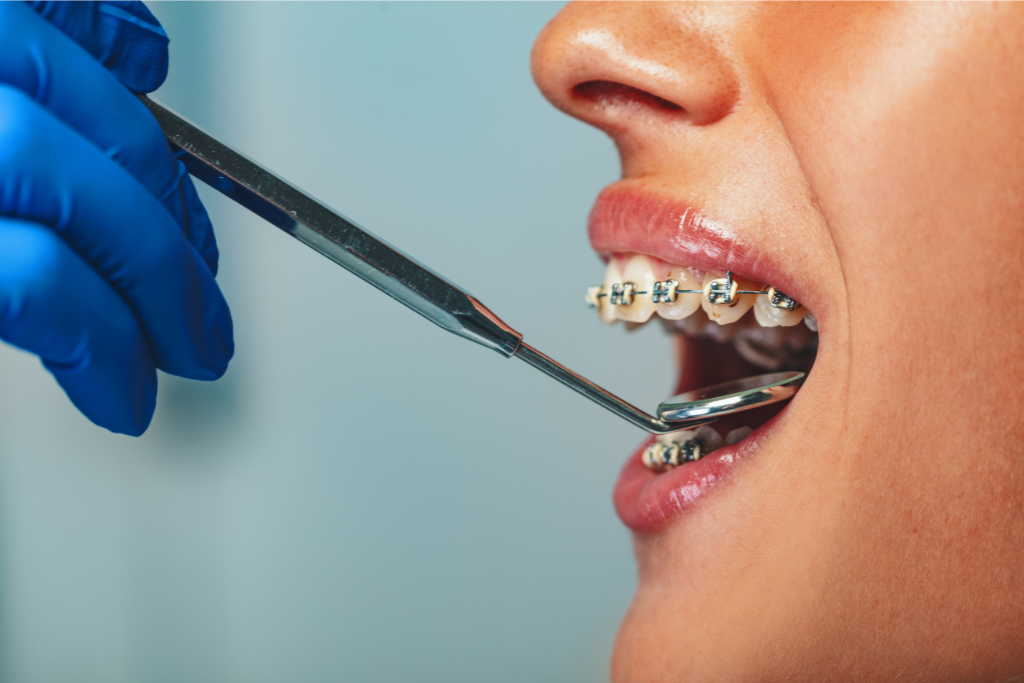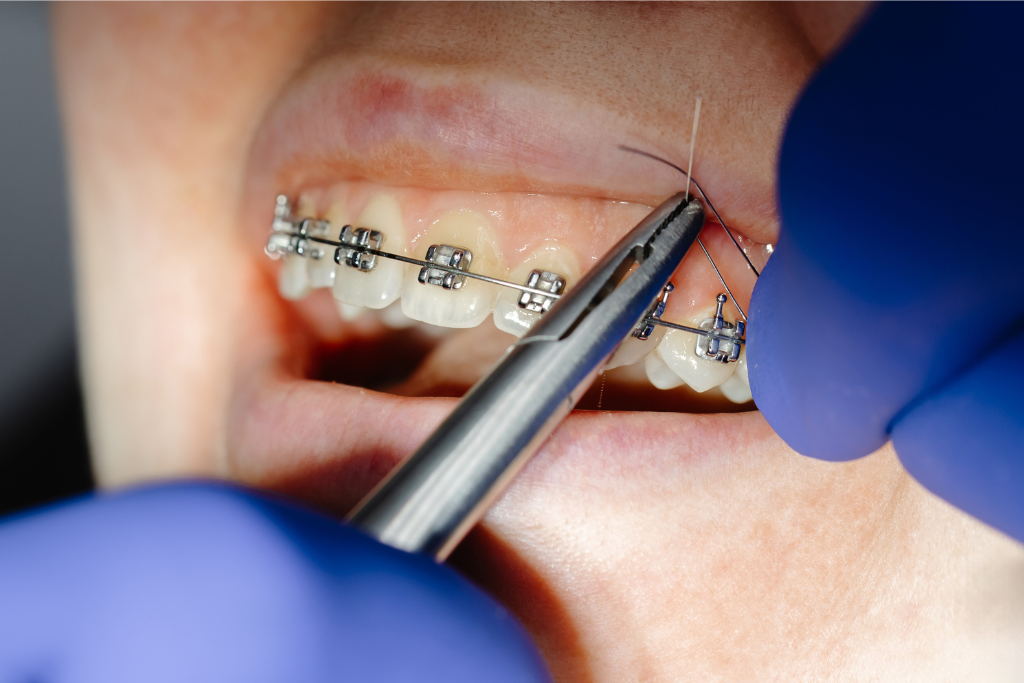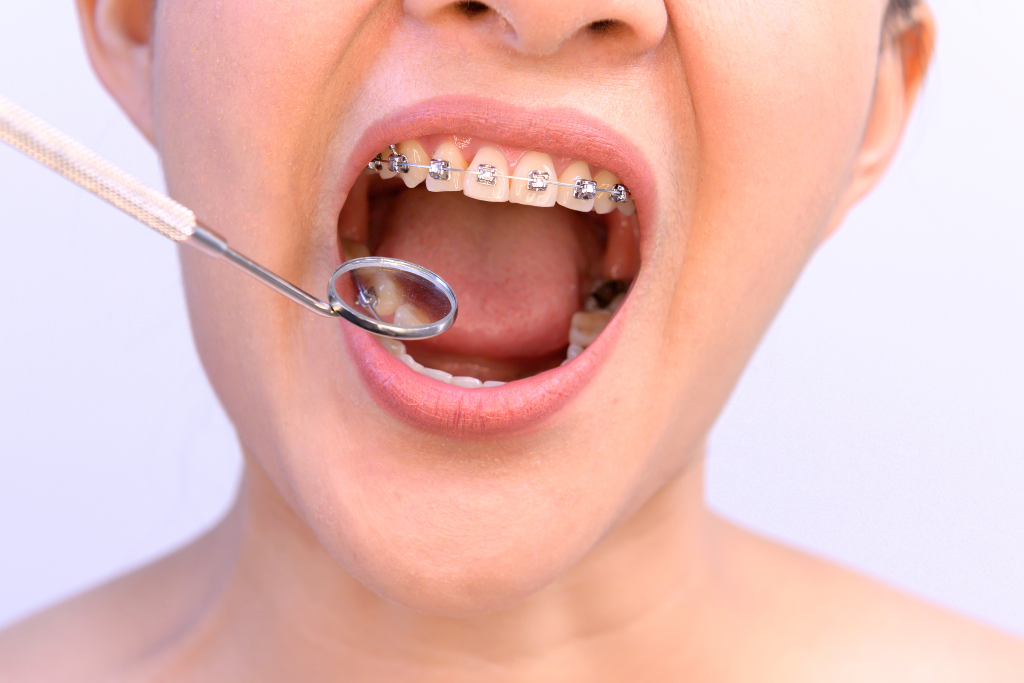

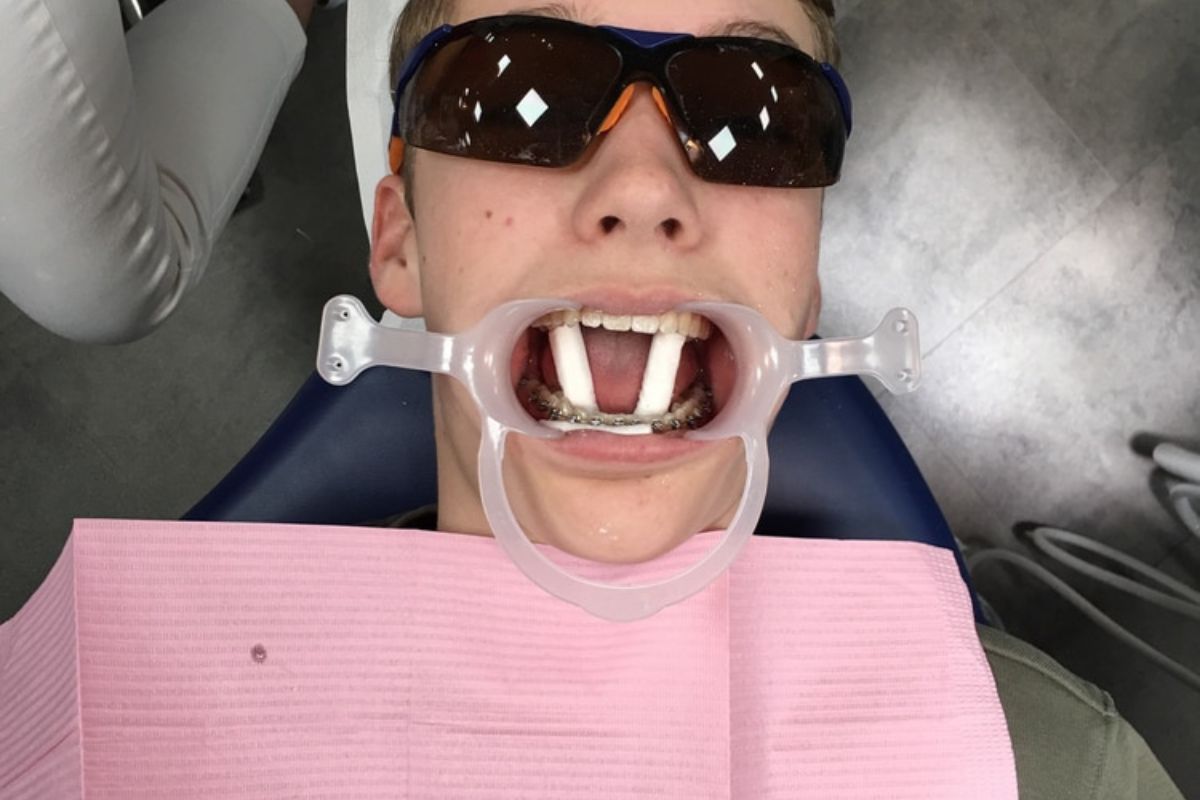
Braces are a great way to achieve a perfect smile. However, many wonder if they cause pain. The truth is, braces can cause mild discomfort, especially after adjustments. But don’t worry—this pain is temporary and manageable.
Why Do Braces Cause Discomfort?
Braces work by gradually shifting teeth into their correct position. This pressure may lead to soreness. Wires, brackets, and rubber bands also contribute to irritation, especially in the first few days. Braces function by applying steady, gentle pressure to shift your teeth into proper alignment. This movement impacts the surrounding bone and soft tissues, leading to soreness and sensitivity as your body adapts. Here’s why braces may cause discomfort:
- Pressure on Teeth and Bone: Braces use brackets, wires, and elastic bands to apply targeted force. This pressure signals the body to begin a bone remodeling process, where bone tissue softens and breaks down on one side to allow movement while new bone forms to support the tooth’s new position. This transition can cause temporary soreness.
- Ligament Strain: Each tooth is anchored by ligaments connecting it to the bone. As braces shift teeth, these ligaments stretch and compress, creating a feeling of tightness. This stretching triggers a mild inflammatory response, similar to muscle soreness after exercise.
- Soft Tissue Irritation: Brackets and wires can rub against the inside of your cheeks, lips, and gums, leading to tenderness or small sores, especially when first getting braces or after an adjustment. However, as your mouth gets used to the braces, this irritation typically subsides.
- Adjustments and Realignments: Regular orthodontic adjustments apply fresh pressure to specific teeth, restarting the bone remodeling process. This renewed force can temporarily increase soreness, similar to the discomfort felt when braces were first placed.
How Long Does the Pain Last?
Most discomfort occurs within the first week and after periodic adjustments. Generally, soreness fades within a few days. By the second week, your mouth adapts, and pain becomes minimal.
Effective Ways To Manage Braces Pain
1. Over-the-Counter Pain Relievers
Taking ibuprofen or acetaminophen helps reduce inflammation and discomfort. Always follow dosage instructions and consult your orthodontist if needed.
2. Orthodontic Wax
Brackets and wires may rub against your cheeks and lips, causing irritation. Orthodontic wax creates a smooth barrier, preventing sores.
3. Cold Foods and Ice Packs
Consuming cold foods like yogurt and ice cream soothes sore gums. Ice packs also help reduce swelling and numb pain.
4. Warm Saltwater Rinse
Gargling with warm saltwater heals mouth sores and reduces gum swelling. Mix one teaspoon of salt in warm water and rinse gently.
5. Soft Foods Only
Eating soft foods like mashed potatoes, scrambled eggs, and smoothies prevents unnecessary pressure on sensitive teeth.
6. Stay Hydrated
Drinking plenty of water keeps your mouth clean and reduces soreness. Avoid acidic or sugary drinks that might irritate gums.
7. Use a Numbing Gel
Orthodontic gels like Orajel numb the affected area, providing instant relief. Apply a small amount as directed.
8. Gentle Massage for Gums
Massaging sore gums with your fingers improves circulation and relieves pressure. Try using a warm, damp cloth for extra comfort.
Adjusting to Braces: Tips for Long-Term Comfort
- Practice Good Oral Hygiene: Brush and floss carefully to avoid plaque buildup and gum inflammation.
- Avoid Hard Foods: Stay away from crunchy snacks like popcorn and nuts that may worsen discomfort.
- Follow Your Orthodontist’s Instructions: Regular check-ups ensure proper adjustments and a smooth treatment journey.
- Use a Soft-Bristled Toothbrush: Gentle brushing reduces gum irritation and prevents unnecessary pain.
When Should You Visit Your Orthodontist?
While most braces-related discomfort can be managed at home, there are times when professional help is necessary. If you experience intense or persistent pain, or if a bracket or wire breaks, contact your orthodontist immediately. Damaged brackets and wires disrupt your treatment by failing to apply the necessary pressure for tooth movement. Delaying repairs could extend the time you need to wear braces. Your orthodontist can fix loose or broken components to keep your treatment on track and reduce any discomfort.
Get Started on Your Orthodontic Journey
Braces may cause mild discomfort, but with the right approach, pain becomes manageable. If you’re considering braces in Tulsa, our expert team at Wyatt Orthodontics is here to help. Schedule a consultation today and take the first step toward a confident smile!