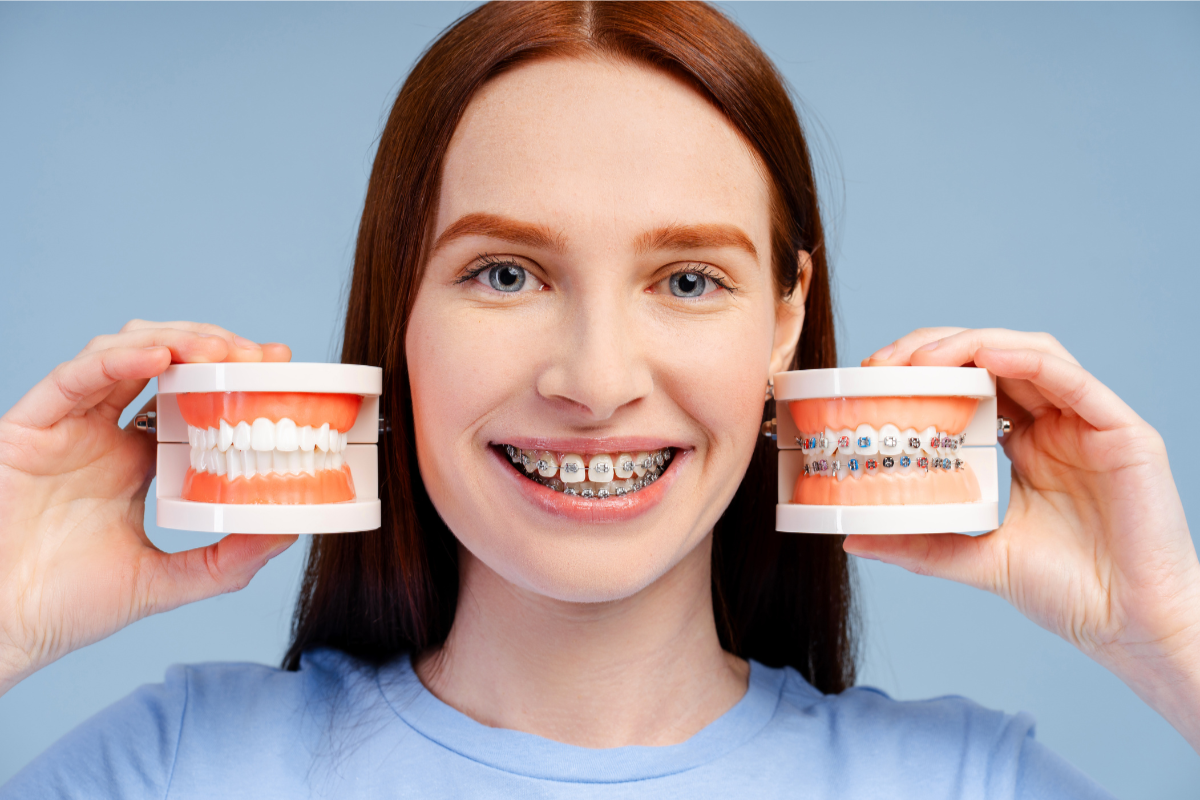


Uh oh, braces and tooth decay? It’s a real concern! While braces work hard to straighten your smile, they can also create tricky hiding spots for plaque. Knowing the signs of tooth decay is super important when you have braces. Let’s dive in and learn what to look for.
What’s Hiding Under There?
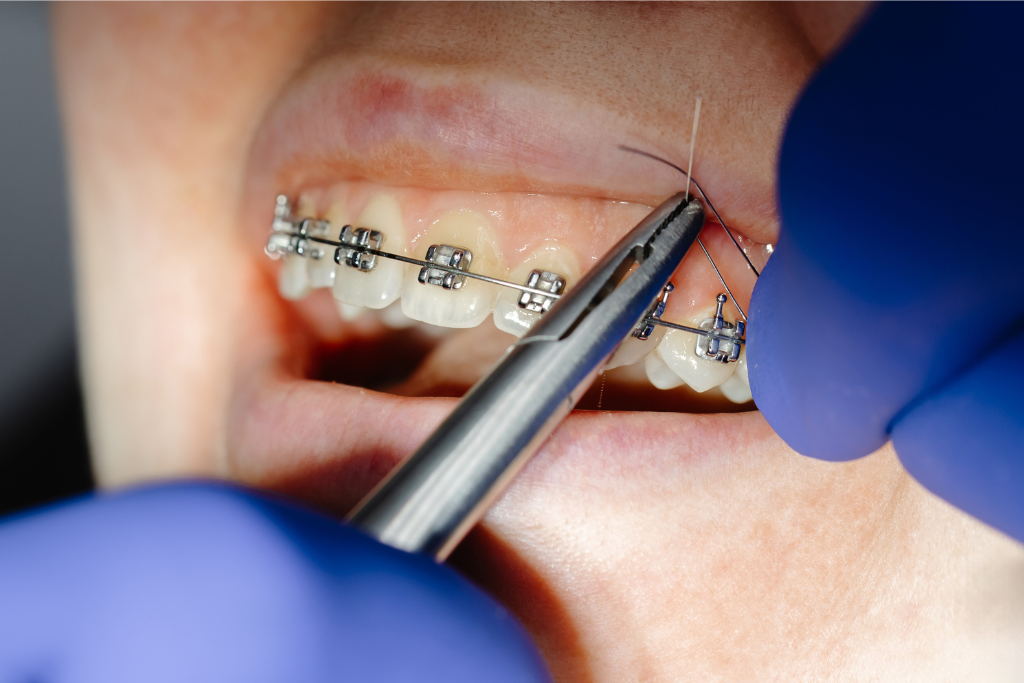
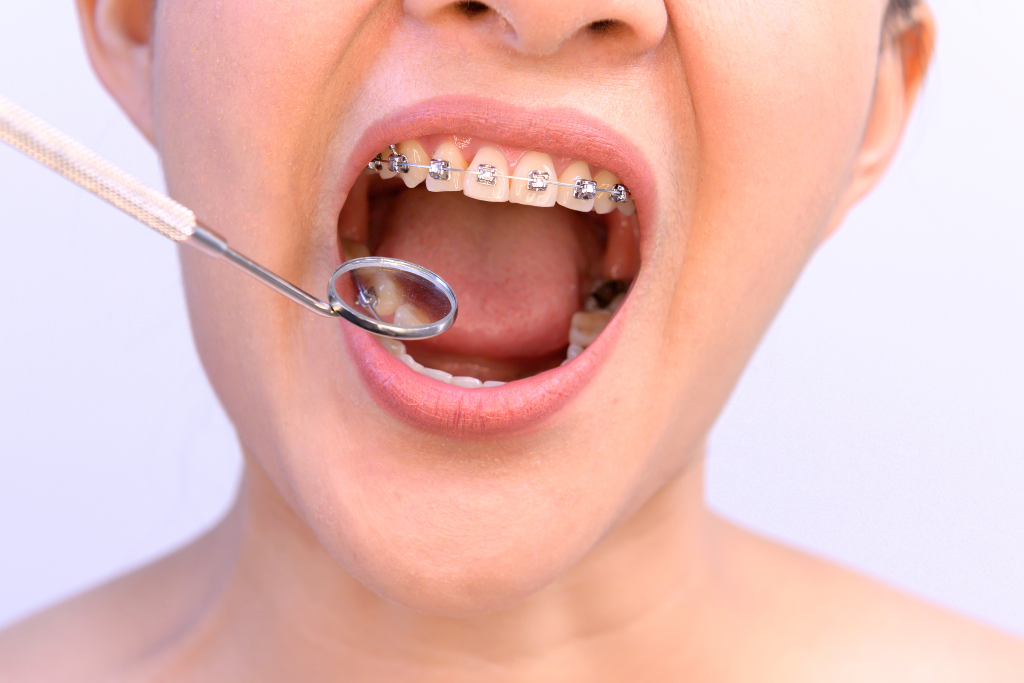
You might think braces protect your teeth, but they can make brushing tougher. Food particles and plaque love to stick around wires and brackets. If these aren’t cleaned properly, cavities can form. This is why excellent oral hygiene is a must with braces.
Can Braces Cause Tooth Decay?
Braces themselves don’t directly cause tooth decay. However, they create challenges that increase your risk. Wires and brackets provide more surfaces for food and plaque to stick. This makes thorough cleaning difficult. When plaque isn’t removed, bacteria produce acids that erode enamel, leading to cavities. Maintaining excellent oral hygiene is therefore crucial to prevent decay while wearing braces.
Early Warning Signs of Decay
Spotting decay early is key. One common sign is white spots on your teeth. These often appear when plaque builds up around brackets. It means minerals are leaving your enamel. These spots are early indicators of potential cavities. Don’t ignore them!
Another sign is a dull, chalky appearance. Your tooth might not look shiny anymore. This indicates enamel demineralization. It’s a precursor to actual decay. Being vigilant helps you catch these changes quickly.
Feeling the Sensitivity
Does your tooth hurt when you eat sweets? Or when you drink something cold? Increased tooth sensitivity can be a sign. Decay might be getting closer to the nerve. This pain can be mild or sharp. Always mention new sensitivities to your dentist.
Sometimes, sensitivity appears without obvious pain. You might just notice a heightened awareness in certain teeth. This is still a red flag. Your teeth are trying to tell you something is wrong.
Visible Changes to Look For
As decay progresses, it becomes more visible. You might notice small pits or holes. These are actual cavities forming. They can be dark brown or black. Sometimes, they appear discolored in other ways.
Swelling around your gums near a tooth can also point to decay. If bacteria are causing an infection, your gums might react. Look for any redness or tenderness. Persistent bad breath can also be a subtle hint of decay.
Severe Toothache
Consistent discomfort in any tooth often signals tooth decay. This pain is a very common symptom. It might start suddenly, or surface when you eat. You could feel generalized pain or pressure around your mouth, especially while chewing.
Stains on the teeth
Tooth decay often begins as white spots on your teeth. As the decay worsens, these discolored areas can become thicker. Cavity stains on the tooth surface can appear brown, black, or even remain white.
Decay with Braces: What’s the Impact?
Braces make cleaning more challenging. Food can get trapped under wires. This creates perfect breeding grounds for bacteria. It’s crucial to brush thoroughly after every meal. Flossing with braces is also different. Special tools like floss threaders help you clean between teeth and under wires. Your orthodontist can show you the best techniques. Regular dental check-ups are more important than ever.
Maintaining Your Oral Health with Braces
Beyond brushing and flossing, consider fluoride rinses. They strengthen your enamel. Avoid sugary drinks and sticky foods. These contribute to plaque buildup. Regular appointments with your dentist are vital. They can spot issues you might miss. Early intervention prevents bigger problems. Taking good care of your teeth now pays off. A healthy smile after braces is the goal.
Don’t Wait – Act Now!
Noticing any of these signs? Don’t delay! Early treatment can save your teeth. Protect your investment in a beautiful smile. If you have braces in Tulsa and are concerned about tooth decay, we can help.
Ready to ensure your smile stays healthy during your orthodontic journey? Schedule an appointment today!