

Are you guilty of neglecting one crucial step in your oral hygiene routine? It’s time to stop overlooking the importance of flossing! While brushing your teeth is essential, it’s only part of the equation for optimal dental health. Flossing after you brush can make all the difference when it comes to maintaining a beautiful and healthy smile. In this article, we’ll explore why flossing should be an integral part of your daily routine, how to properly floss, which dental flosses are best, and when you should start incorporating this habit into your life. Get ready to discover the many benefits that await – let’s dive in!
The Benefits Of Flossing
Regular flossing offers a multitude of benefits that go beyond simply removing food particles stuck between your teeth. Flossing helps prevent the buildup of plaque, which can lead to gum disease and tooth decay. By removing plaque from hard-to-reach areas, you can reduce the risk of cavities and keep your gums healthy.
Furthermore, flossing plays a crucial role in preventing bad breath. Food debris trapped between teeth can contribute to unpleasant odors in your mouth. By flossing daily, you effectively eliminate these odor-causing particles and maintain fresh breath throughout the day.
Another advantage of incorporating flossing into your routine is its ability to promote gum health. Flossing stimulates blood circulation in the gums, reducing inflammation and maintaining their pinkish hue. Healthy gums not only enhance the appearance of your smile but also serve as a protective barrier against infections.
Moreover, regular flossing has been linked to improved overall health. Studies have shown associations between poor oral hygiene and various systemic conditions like heart disease and diabetes. Taking care of your oral health by diligent flossing may help lower these risks.
By adding just a few extra minutes for proper flossing after brushing each day, you can enjoy numerous benefits such as reduced plaque buildup, fresher breath, healthier gums, and potentially even better overall health outcomes!
How To Floss?
Flossing is an essential part of maintaining good oral hygiene. While brushing alone can remove some plaque and food particles, it doesn’t reach the spaces between your teeth where bacteria can accumulate. That’s why flossing is so important.
To effectively floss, start by breaking off about 18 inches of dental floss. Wrap most of it around one finger on each hand and leave a small section in the middle to work with. Hold the floss tightly between your thumbs and index fingers.
Gently slide the floss between two teeth using a back-and-forth motion. Be careful not to snap or force it into place as this could damage your gums. Once you reach the gum line, curve the floss into a C-shape against one tooth and carefully glide it up and down. Repeat this process for all your teeth, using a fresh section of floss for each space.
Remember to be gentle when flossing as aggressive movements can harm your gums. If you’re unsure about proper technique, ask your dentist or hygienist for guidance during your next visit.
Regularly incorporating proper flossing techniques into your dental routine will help prevent cavities, gum disease, and other oral health issues in the long run
The Dental Flosses You Should Use
When it comes to choosing the right dental floss, there are several options available on the market. Each type of dental floss has its own unique features and benefits, so it’s important to find one that works best for you.
One popular option is waxed floss, which glides smoothly between teeth and is less likely to shred or break. The wax coating helps the floss slide easily into tight spaces, making it a great choice for those with closely spaced teeth or tight contacts.
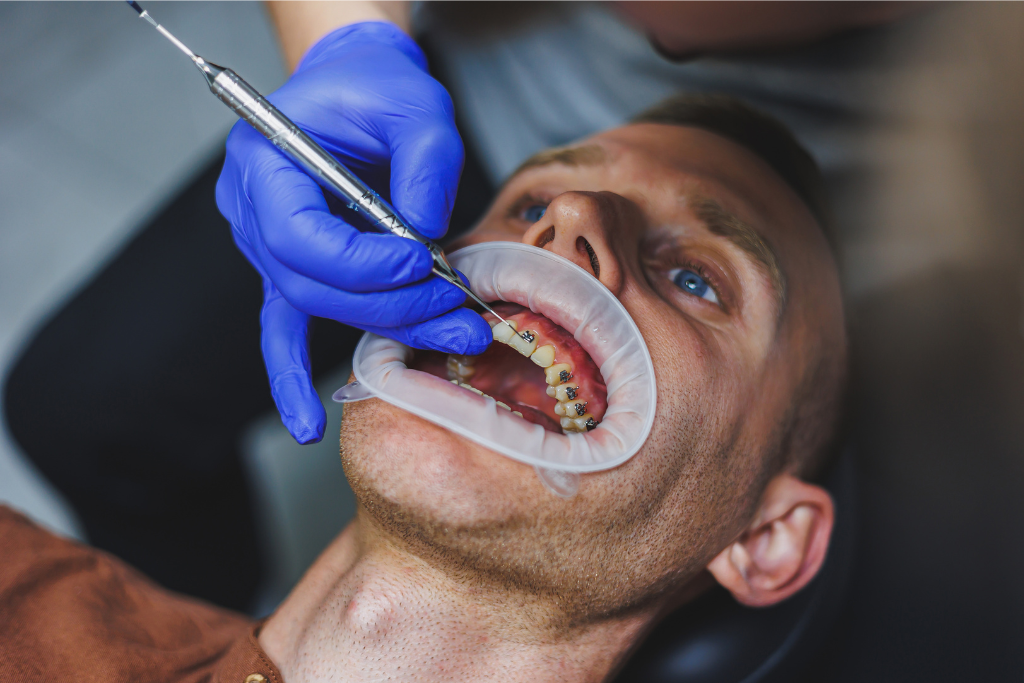
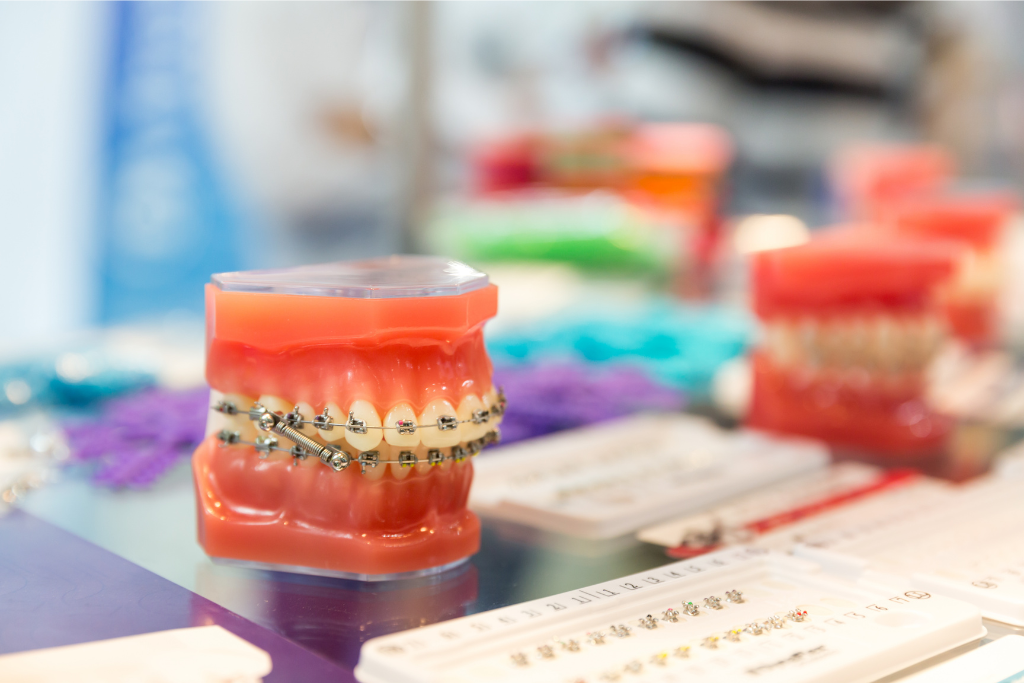
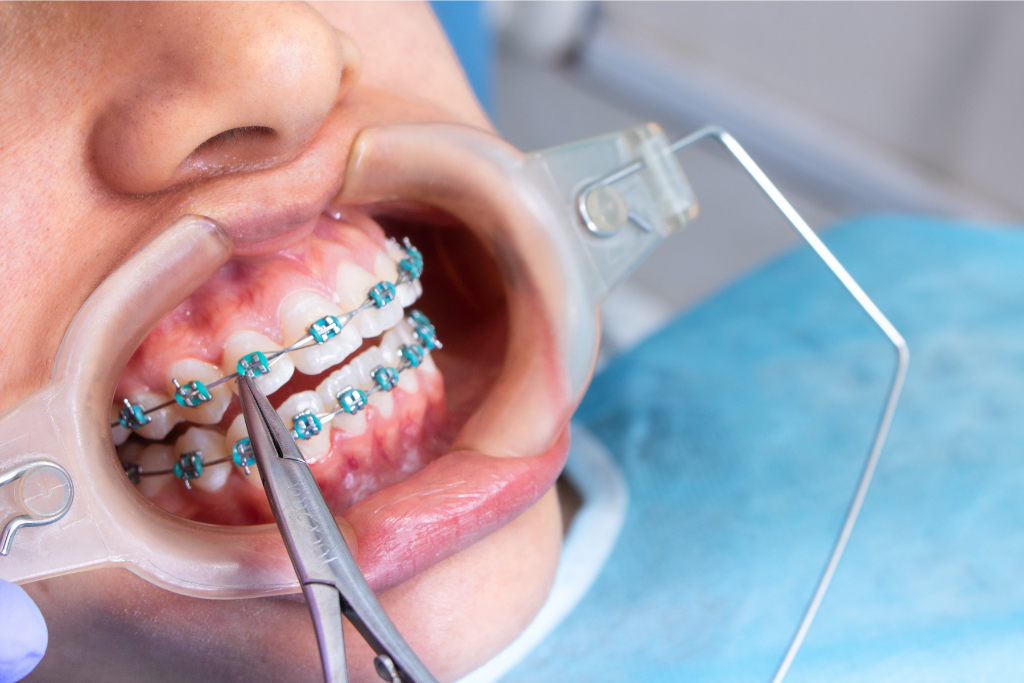
For individuals with sensitive gums or braces, an alternative option is a specialized orthodontic floss. This type of floss is specifically designed to navigate around brackets and wires without causing discomfort or damage.
Another option to consider is flavored dental floss. If you dislike the traditional mint flavor, there are plenty of other flavors available such as cinnamon or bubblegum. This can make your daily oral hygiene routine more enjoyable.
If you prefer a hands-free approach, disposable floss picks may be a convenient choice for you. These pre-threaded picks have a small strand of floss attached to them and can be easily maneuvered between teeth with their handle-like design.
The best dental floss will depend on your personal preferences and needs. It’s important to choose one that encourages regular use and effectively removes plaque from between your teeth. Don’t hesitate to consult your dentist for recommendations tailored specifically to your oral health needs!
When To Start Flossing?
Many people wonder when they should start incorporating flossing into their oral hygiene routine. The truth is, the sooner you start, the better! While it’s typically recommended to start flossing as soon as your child has two teeth that touch each other, it’s never too late for adults to begin either.
Flossing plays a crucial role in maintaining good dental health and preventing gum disease. By removing plaque and food particles from between your teeth, you can reduce the risk of cavities and keep your gums healthy.
Starting early allows children to develop good oral habits from an early age. It also helps them become more comfortable with flossing, making it a lifelong habit. As for adults who haven’t started yet, there’s no time like the present!
Whether you’re 5 or 55 years old, taking care of your teeth and gums should be a priority. So grab some dental floss today and make it part of your daily routine. Your smile will thank you!
The Bottom Line
In today’s fast-paced world, it can be easy to overlook the importance of proper dental care. However, taking just a few minutes each day to floss after brushing can make a significant difference in your overall oral health.
Flossing offers numerous benefits that go beyond simply removing food particles stuck between your teeth. It helps prevent gum disease by removing plaque buildup and reducing inflammation in the gums. By maintaining healthy gums, you also reduce the risk of tooth loss and other potential complications down the road.
Learning how to floss correctly is essential for maximizing its benefits. Whether you choose traditional string floss or opt for floss picks or water flossers, make sure to use gentle motions and reach all areas around each tooth. Don’t forget to include your back molars – they are often neglected but equally important!
When it comes to choosing dental floss, there are various options available on the market. Waxed or unwaxed? Traditional nylon thread or newer alternatives like silk or PTFE? The choice ultimately depends on personal preference and comfort level.
While it’s never too late to start incorporating good oral hygiene habits into your routine, it’s recommended that you begin flossing as soon as possible. Ideally, you should start when permanent teeth begin erupting in children which typically occurs around ages 6-7 years old.
Remember, consistency is key! Committing yourself to daily brushing followed by thorough flossing will yield long-term positive results for your dental health.
So why wait? Start making an effort today to incorporate regular flossing into your oral care routine. Your dentist will certainly notice the difference during your next check-up!