

Are you curious about the process of getting braces and how they can correct your teeth? Well, you’re in luck because we’re here to give you a rundown on everything related to orthodontic correction with braces. So sit back, relax, and let’s dive into understanding the orthodontic correction process with braces!
Types Of Orthodontic Treatment
Orthodontic treatment Tulsa can be tailored to fit the specific needs of each patient. Here are a few types of orthodontic treatments that patients may come across:
1. Traditional metal braces:
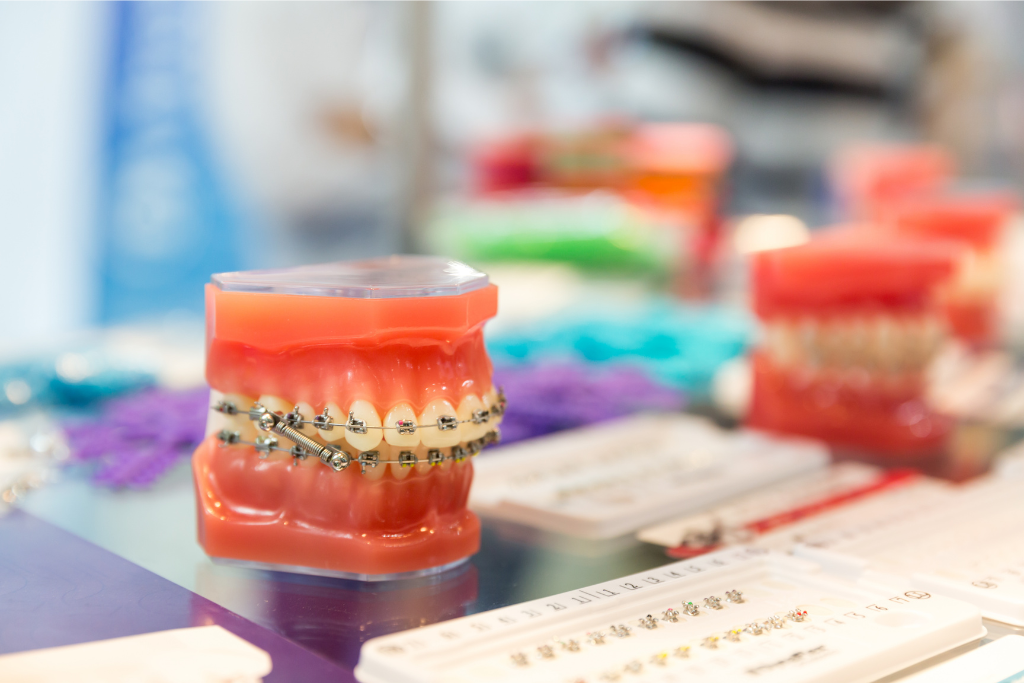
These are the most common types of braces, consisting of metal brackets and wires that work together to move teeth into their correct positions.
2. Ceramic braces:
Ceramic braces function similarly to traditional metal ones but blend in with the color of teeth for a less noticeable appearance.
3. Lingual Braces:
Lingual braces are similar to traditional metal ones, but they’re attached to the backside of teeth instead, making them virtually invisible from the front view.
4. Invisalign:
Invisalign is an alternative treatment option that uses clear plastic aligners instead of brackets and wires, offering more comfort and aesthetics during use.
5. Self-ligating Braces:
Self-ligating Braces use clips or doors instead of elastic bands which means fewer trips are needed for adjustment visits.
Each patient’s orthodontic journey will depend on their unique needs and goals, so it’s important to consult with an experienced orthodontist before choosing which type(s) best suits you!
Why You Should Have An Orthodontist Check Your Progress
Regular check-ups with your orthodontist during the braces treatment are essential to ensure that everything is going well. Visiting your orthodontist helps them evaluate how much progress you’ve made and adjust the treatment plan as necessary. Your teeth move at their own pace, so it’s important to monitor their progress regularly. When you visit your orthodontist, they may take X-rays or perform other tests to assess any changes in tooth position or jaw alignment. This information helps determine whether adjustments need to be made for optimal results. Even if you haven’t noticed any issues with your braces or discomfort, it’s still critical not to skip appointments. Your orthodontist can identify potential problems early on before they become more severe and require more intensive treatments.
Moreover, keeping up with regular check-ups means shorter overall treatment time because minor adjustments can correct any issues quickly before they turn into bigger ones. Remember that investing time in regular visits will make a significant difference in achieving excellent results from your braces treatment. So, stay committed and work together with your orthodontist towards achieving a healthy and beautiful smile!
How An Orthodontist Corrects Your Teeth
When it comes to correcting teeth with braces, the orthodontist plays a crucial role. The treatment plan is customized for each patient and their unique needs. Here’s how an orthodontist corrects your teeth:
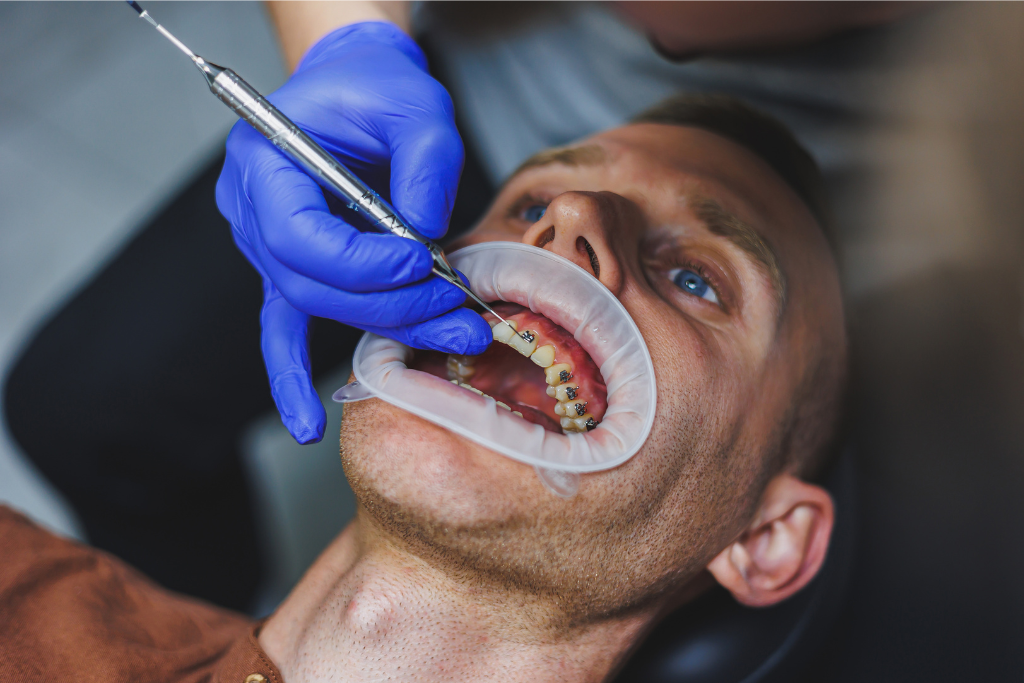
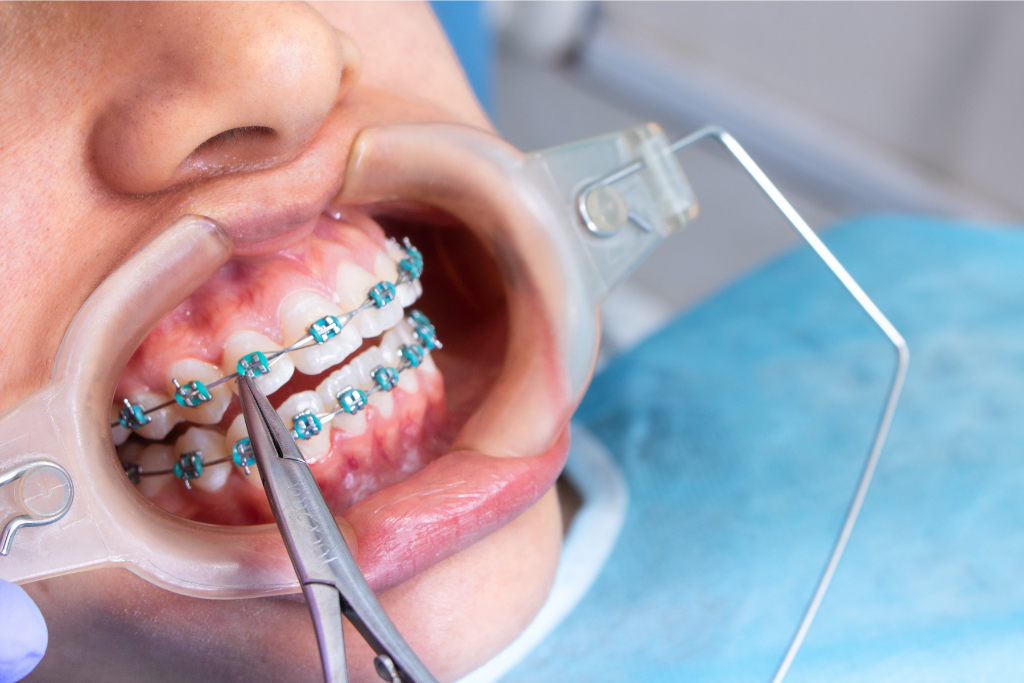
First, the orthodontist will take X-rays and impressions of your teeth to create a personalized treatment plan. This may involve traditional metal braces or newer alternatives like clear aligners. Once you begin treatment, the orthodontist will adjust your braces periodically to gradually move your teeth into their proper positions. These adjustments are made by tightening wires or replacing them altogether. In some cases, additional appliances such as rubber bands may be necessary to help guide jaw growth or fix bite issues. Throughout the process, regular check-ups with the orthodontist are important to monitor progress and make any necessary adjustments. Patients must follow all instructions from their orthodontist regarding oral hygiene and dietary restrictions during treatment.
Working with an experienced and skilled orthodontist can result in the successful correction of misaligned teeth and a beautiful smile for years to come.
What To Expect After Treatment?
Congratulations! You have completed your orthodontic treatment. Your teeth are now straightened, and you can smile with confidence. But what should you expect after the braces come off?
Firstly, your orthodontist will remove the brackets and wires from your teeth. This process is quick and painless but may leave some residual adhesive on your teeth that require removal. You might feel some discomfort or soreness for a few days after the braces’ removal as your mouth adjusts to its new position without any appliances. This discomfort is temporary and should be manageable with over-the-counter pain medication.
After removing the braces, you’ll need to wear a retainer regularly for several months or even years depending on how complex the initial problem was. The retainer ensures that your newly aligned teeth remain in place while settling into their final positions.
It’s crucial to follow all instructions given by your orthodontist regarding wearing retainers and attending follow-up appointments post-treatment to ensure long-term success. Now that you’ve achieved an attractive smile through hard work and dedication, it’s essential to maintain good oral hygiene practices such as brushing twice daily, flossing once daily, scheduling regular check-ups with a dentist every six months, and eating healthy foods low in sugar content – congratulations again!
The Bottom Line
Orthodontic treatment with braces has come a long way since its early beginnings. With advancements in technology and techniques, the process of correcting your teeth is now more efficient and comfortable than ever before. By understanding the different types of orthodontic treatments available to you, properly caring for your braces with regular brushing and dental check-ups, and following your orthodontist’s instructions throughout the correction process, you can achieve a beautiful smile that will last a lifetime. Remember to be patient during your treatment as it may take some time to see noticeable changes in your teeth. But rest assured that all the effort put into achieving straighter teeth will be well worth it in the end.