
If you’ve ever wondered about getting braces or aligners, but have been held back by misconceptions or myths, then this article is for you. We’ll be unmasking the truths behind orthodontic treatment and debunking common misunderstandings. So sit back, relax, and let’s dive into the world of orthodontics together!
What is Orthodontic Treatment?
Orthodontic treatment is a specialized branch of dentistry that focuses on correcting dental irregularities, specifically those related to the alignment and positioning of teeth. While many assume that orthodontics is solely about aesthetics, it goes beyond just creating a beautiful smile.
At its core, orthodontic treatment aims to enhance oral health and function by addressing issues such as crooked teeth, overcrowding, gaps, overbites, underbites, and misaligned jaws. These problems can not only affect your appearance but also impact your overall dental well-being.
The process begins with a comprehensive examination by an orthodontist who will assess your oral condition through X-rays, photographs, and impressions. This evaluation allows them to create a personalized treatment plan tailored to your specific needs.
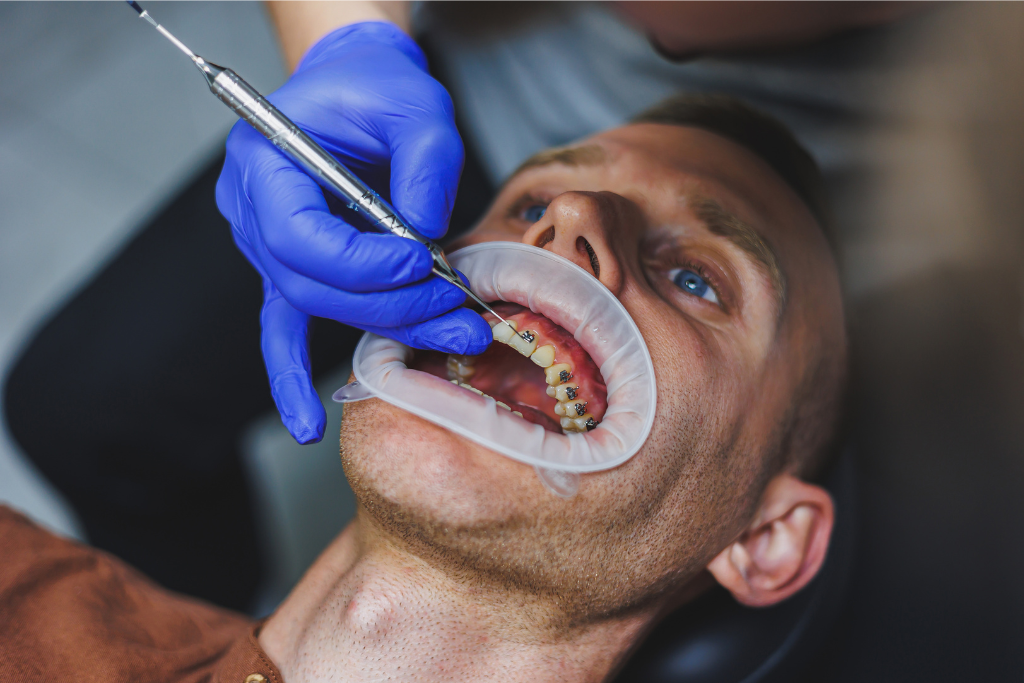
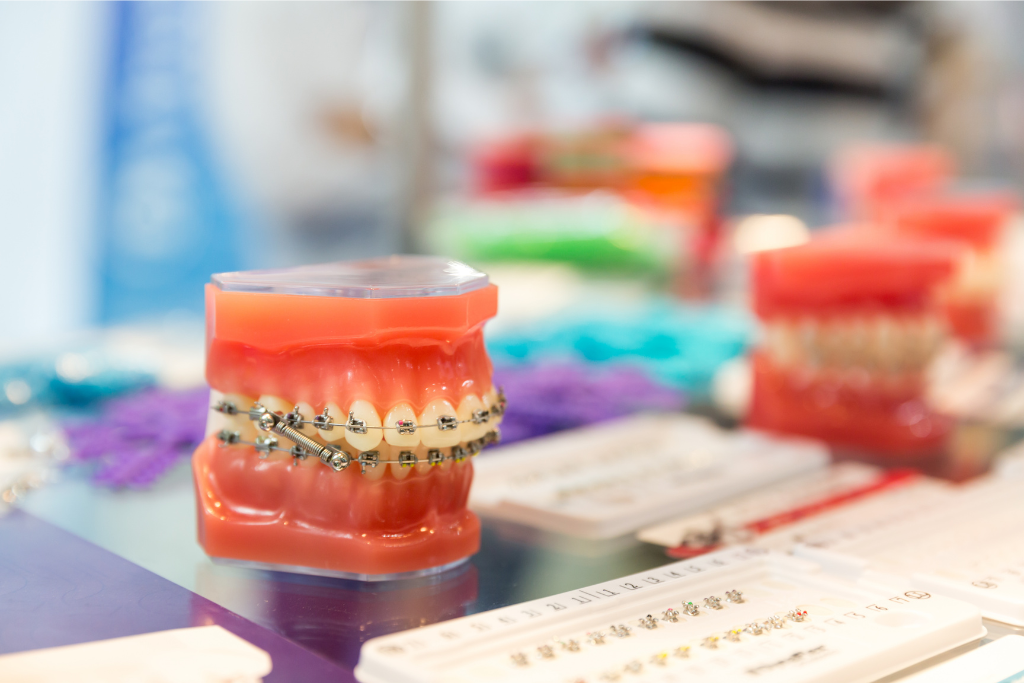
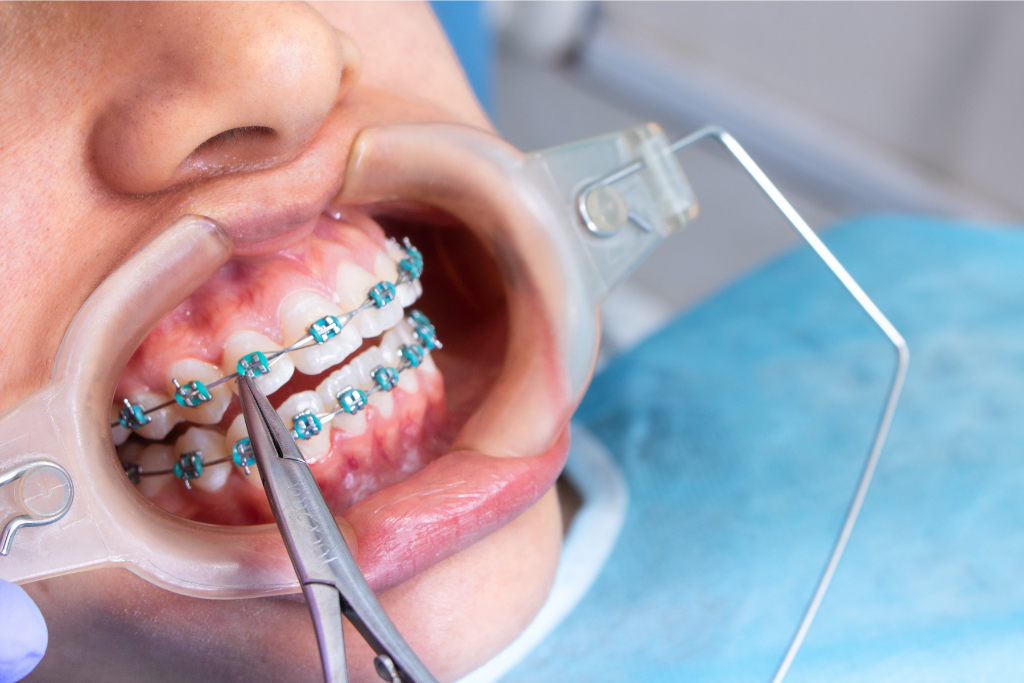
Orthodontic treatment typically involves the use of appliances like braces or aligners. Traditional braces consist of metal brackets attached to each tooth which are connected with wires that gradually shift teeth into their proper positions over time. Aligners offer a more discreet option as they are clear plastic trays that fit snugly over teeth and are virtually invisible.
Throughout the course of treatment, regular visits to the orthodontist will be necessary for adjustments or progress checks. The duration can vary depending on individual cases but generally lasts from several months up to a few years.
It’s important to note that while orthodontic treatment may involve some discomfort initially as you adjust to wearing appliances or experience tightness after adjustments; these minor inconveniences pave the way for long-term benefits.
What Does Orthodontic Treatment involve?
Orthodontic treatment involves much more than just straightening teeth. It is a specialized branch of dentistry that focuses on correcting misaligned jaws and improving overall oral health. The goal of orthodontic treatment is to create a harmonious bite, where the upper and lower teeth fit together properly.
The process begins with a comprehensive evaluation by an orthodontist. This usually includes taking X-rays, photographs, and impressions of the teeth. These diagnostic tools help the orthodontist assess the extent of misalignment and develop an individualized treatment plan.
Once the treatment plan has been established, various orthodontic appliances may be used to move the teeth into their proper positions. Traditional braces are one common option, consisting of metal brackets attached to each tooth with a thin wire running through them.
In recent years, there have also been advancements in orthodontics such as clear aligners like Invisalign®️. These removable trays gradually shift the teeth over time without being as noticeable as traditional braces.
Throughout the course of treatment, regular visits to the orthodontist are necessary for adjustments and monitoring progress. These appointments allow for any necessary modifications to ensure optimal results.
It’s important to note that while straightening teeth is often seen as cosmetic improvement, there are numerous functional benefits as well. Properly aligned jaws can improve chewing efficiency, reduce wear on tooth surfaces, alleviate jaw pain or discomfort caused by misalignment issues like TMJ disorder.
In conclusion (not conclusive), Orthodontic treatment involves a careful assessment by an experienced professional followed by personalized planning and execution using various techniques such as braces or aligners. Regular visits throughout your journey will ensure optimum results leading not only better aesthetics but also improved oral function and overall well-being
The Different Types of Orthodontic Treatment
When it comes to orthodontic treatment, there are several different types available depending on your specific needs and preferences. Each type of treatment aims to correct misaligned teeth and improve overall oral health. Let’s take a closer look at some of the different options:
- Traditional Braces: These are the most common type of orthodontic treatment and consist of metal brackets that are bonded to the teeth. Wires and rubber bands apply gentle pressure to gradually move the teeth into their proper positions.
- Ceramic Braces: Similar to traditional braces, but with clear or tooth-colored brackets that blend in with your natural teeth, making them less noticeable.
- Lingual Braces: These braces are attached to the back surfaces of your teeth, making them virtually invisible from the front. They can be a great option for those who want discreet treatment.
- Invisalign: A popular alternative to braces, Invisalign uses a series of clear plastic aligners that are custom-made for your teeth. They are removable and virtually invisible when worn.
- Retainers: After completing orthodontic treatment, retainers help maintain the new position of your teeth by holding them in place.
It’s important to consult with an orthodontist who will assess your individual case and recommend the best type of treatment for you based on factors such as severity of misalignment, lifestyle considerations, and personal preferences.
Remember that every smile is unique, so what works for one person may not work for another! Trusting in professional advice will ensure you find the right solution for achieving a beautiful smile and optimal oral health.
The Benefits of Orthodontic Treatment
Straightening your teeth and achieving a beautiful smile is not the only benefit of orthodontic treatment. There are numerous advantages to undergoing orthodontic treatment, both for your oral health and overall well-being.
First and foremost, properly aligned teeth make it easier to maintain good oral hygiene. When teeth are crowded or crooked, it can be challenging to brush and floss effectively, leading to plaque buildup and an increased risk of dental problems such as cavities and gum disease. Orthodontic treatment helps align your teeth, making it easier to clean them properly.
In addition to improving oral hygiene, orthodontic treatment can also enhance your bite function. Misaligned bites can cause issues with chewing food properly, which may lead to digestive problems. By correcting the alignment of your teeth and jaws through orthodontics, you can improve your ability to chew comfortably and efficiently.
Furthermore, having straighter teeth has aesthetic benefits that go beyond just appearance. A confident smile boosts self-esteem and can positively impact personal relationships as well as professional opportunities. When you feel good about how your smile looks, you’re more likely to showcase it confidently in various social situations.
Orthodontic treatment also plays a role in reducing the risk of developing certain dental conditions later in life. Straightening misaligned teeth early on can help prevent excessive wear on tooth surfaces caused by uneven pressure during biting or grinding habits.
Orthodontics isn’t just for children and teenagers; adults too can benefit from this type of treatment! With advancements in technology like clear aligners (e.g., Invisalign), adults have discreet options for achieving their dream smiles without feeling self-conscious about wearing braces.
In conclusion (without using those words), the benefits of orthodontic treatment extend far beyond cosmetic improvements alone. From improved oral health maintenance to enhanced bite function and increased confidence levels – investing in orthodontics offers lasting positive impacts on both physical health outcomes as well as personal well-being.
The Bottom Line
In today’s blog post, we have unmasked the myths and misconceptions surrounding orthodontic treatment. We have learned that orthodontic treatment is not just about achieving a straight smile but also plays a crucial role in improving overall oral health.
Orthodontic treatment involves the use of braces or aligners to gradually move teeth into their proper positions. Contrary to popular belief, this process is not painful or uncomfortable; instead, it offers long-lasting results that can positively impact an individual’s confidence and self-esteem.
There are different types of orthodontic treatments available, including traditional metal braces, ceramic braces, lingual braces, and clear aligners. Each option caters to specific needs and preferences while ensuring effective tooth alignment.
If you’re ready to take control of your oral health journey, reach out to your trusted local Ortho Dental Care provider today!