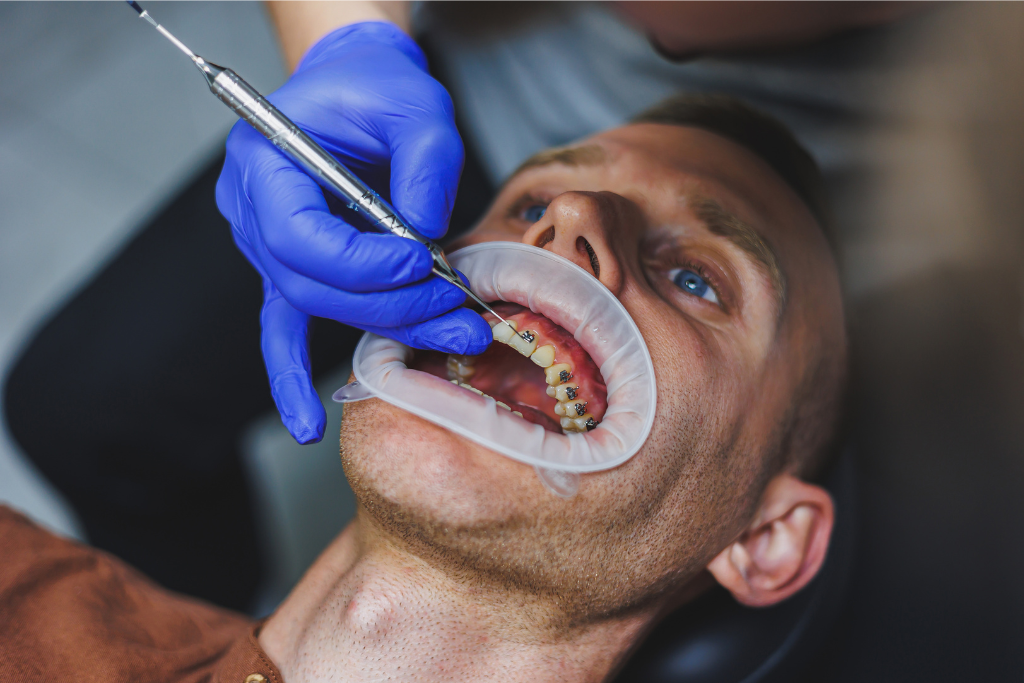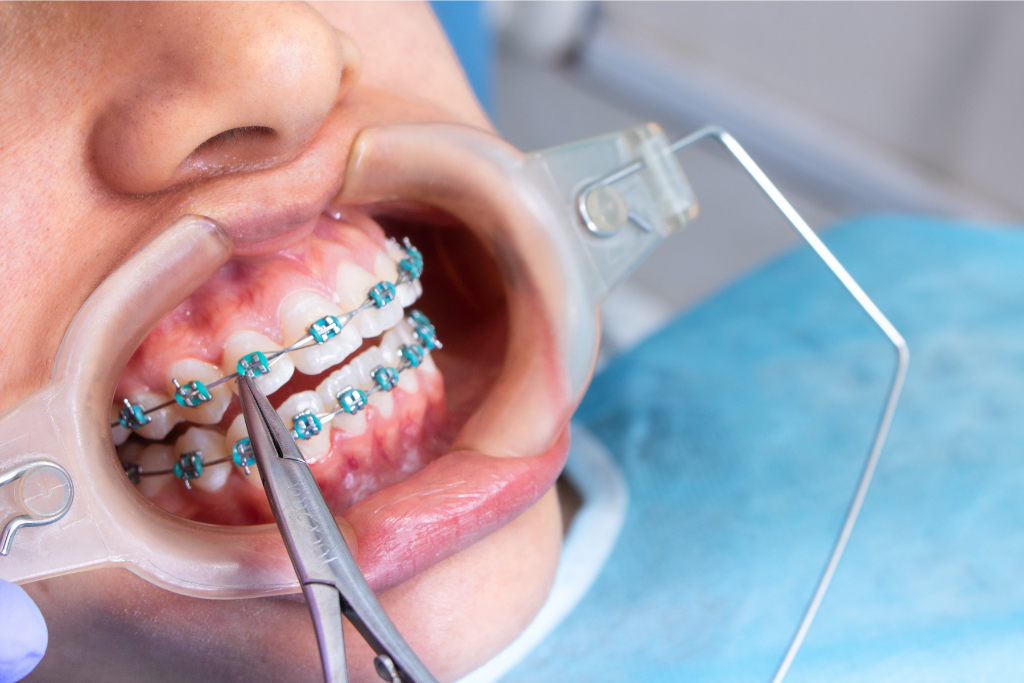


Navigating orthodontic care for teens can be a challenging journey, but understanding the basics can make the process smoother. Here are five essential tips to guide you through teen orthodontics and ensure your child receives the best care possible.
- Early Evaluation is Crucial : The journey to a healthy smile often starts with an early evaluation. The American Association of Orthodontists recommends that children have their first orthodontic evaluation by age 7. This early visit can help identify potential issues such as overcrowding, bite problems, or misalignment before they become more complex. Early detection allows for timely intervention, which can make treatment less invasive and more effective. An orthodontist in Tulsa can provide a thorough assessment and create a treatment plan tailored to your teen’s needs.
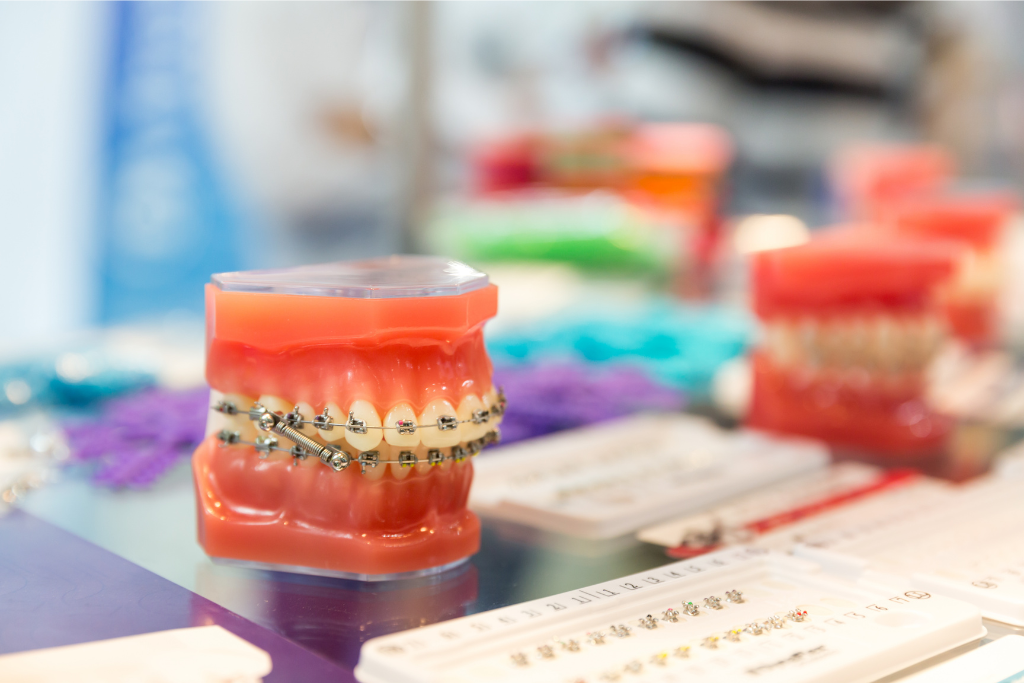
- Understanding Different Treatment Options : Orthodontics isn’t a one-size-fits-all approach. There are several treatment options available, each with its advantages. Traditional metal braces are known for their effectiveness in treating a wide range of dental issues, but they are also the most visible option. Ceramic braces offer a less noticeable alternative but may require more maintenance. For those seeking a discreet solution, clear aligners are a popular choice. They are removable and less noticeable, making them ideal for teens who may be self-conscious about their appearance. Your orthodontist in Tulsa can help you weigh the pros and cons of each option to determine the best fit for your teen.
- Maintaining Oral Hygiene : Maintaining good oral hygiene is crucial during orthodontic treatment. Braces and aligners can trap food particles and plaque, increasing the risk of cavities and gum disease. Encourage your teen to follow a rigorous oral hygiene routine. This includes brushing at least twice a day with fluoride toothpaste, flossing daily, and using mouthwash to help reduce plaque buildup. An orthodontist in Tulsa can recommend specific cleaning tools, such as interdental brushes or water flossers, to make maintaining oral health easier.
- Managing Diet and Lifestyle Changes : Dietary adjustments are a significant part of orthodontic care. Certain foods can damage braces or get stuck in aligners, causing discomfort and extending treatment time. Hard, sticky, and sugary foods should be avoided. Encourage your teen to choose softer foods that are less likely to cause damage, and remind them to avoid chewing on non-food items like pens or ice. Additionally, if your teen is involved in sports, using a mouthguard is essential to protect their braces or aligners from potential injury. Your orthodontist in Tulsa can provide guidance on suitable foods and recommend protective gear for active teens.
- Commitment and Follow-Up Care : Successful orthodontic treatment relies on commitment and regular follow-up care. It’s important for your teen to wear any prescribed appliances, such as rubber bands or retainers, exactly as instructed. Failure to adhere to these instructions can lead to delays or complications in treatment. Regular visits to the orthodontist in Tulsa are necessary to monitor progress, make adjustments, and address any issues that arise. Keeping these appointments is crucial for ensuring that the treatment stays on track and your teen achieves the best possible results.
By staying informed and involved in your teen’s orthodontic care, you can help them navigate the process more effectively. An orthodontist in Tulsa will be a valuable resource in answering any questions and providing personalized care to ensure a successful outcome. With the right approach and support, your teen can achieve a healthy, confident smile that will last a lifetime.