
Thinking about straightening your teeth but unsure which type of braces might be right for you? You’re not alone. Many patients, teens, parents, and adults start their orthodontic journey with the same question: What kinds of braces are available today?
The good news is that orthodontic technology has come a long way. Braces today are smaller, more comfortable, and more efficient than the bulky metal appliances people remember from years ago. Modern orthodontics gives patients more choices depending on lifestyle, treatment goals, and appearance preferences.
For families and professionals across Tulsa, understanding the different types of braces can make the decision much easier. Whether you’re a student at Union High School, a working professional downtown, or a parent planning treatment for your child, knowing the options helps you choose the best path toward a confident smile.
If you’ve been searching online for braces near me in Tulsa, you’ve probably seen that orthodontists offer several types of braces. Let’s break down the three most common options available today and how each one works.
1. Traditional Metal Braces
Metal braces remain the most widely used orthodontic treatment and for good reason. They’re reliable, effective, and suitable for correcting even complex alignment issues.
What They Look Like
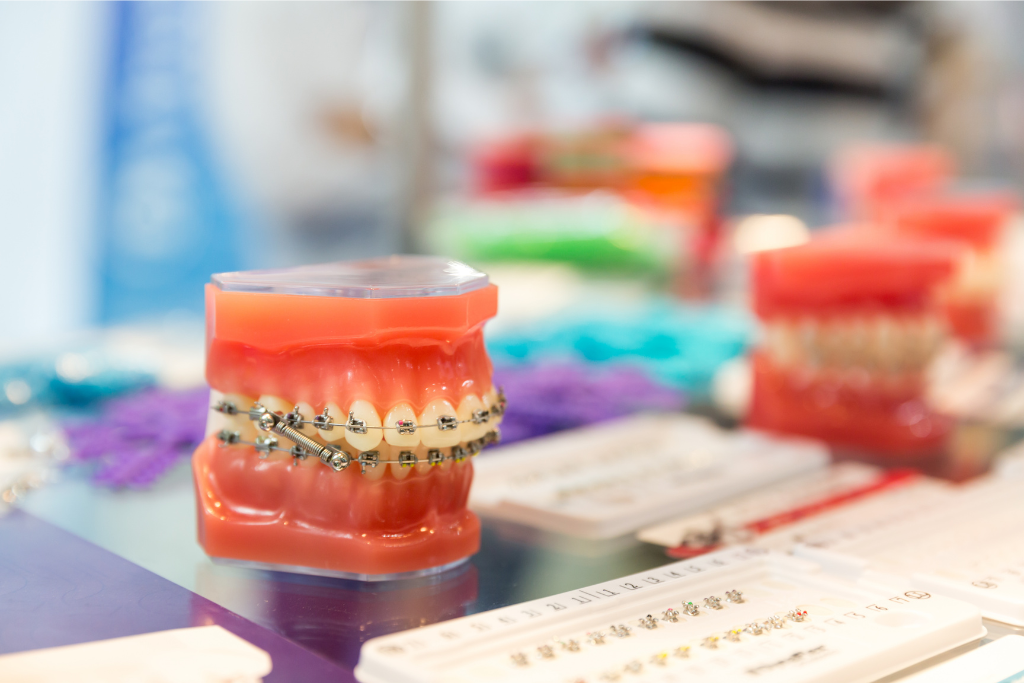
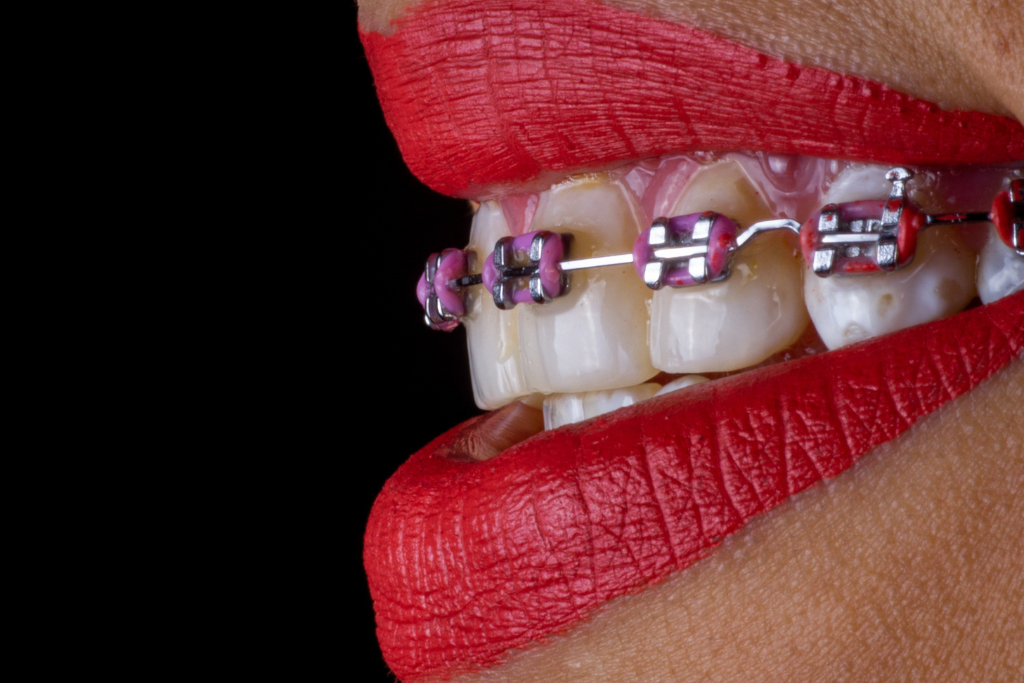
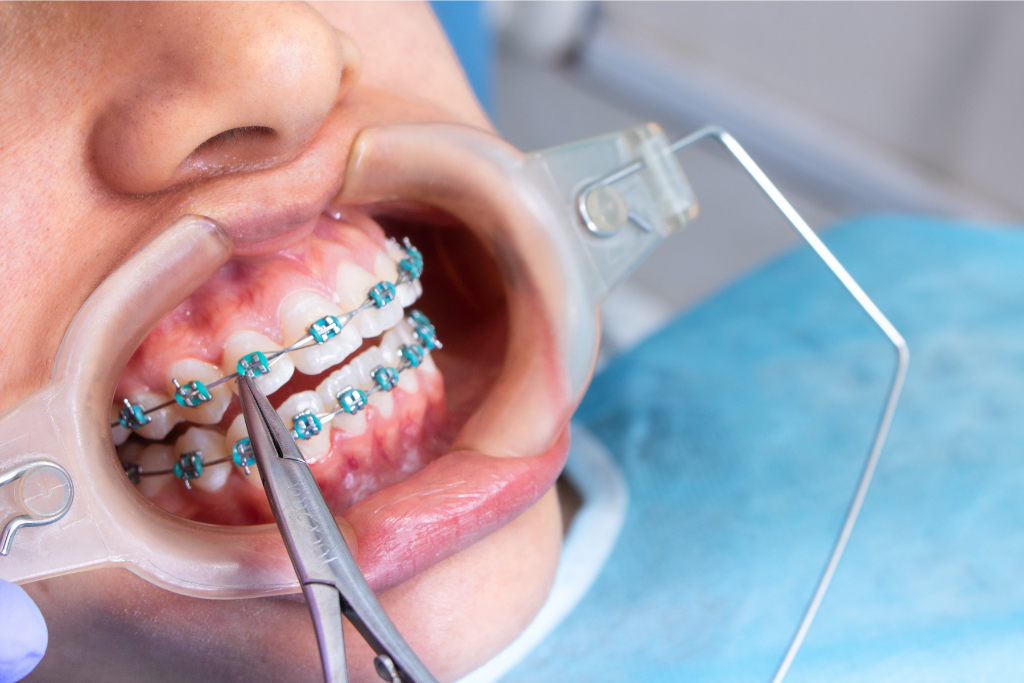
Traditional braces use stainless steel brackets attached to the front of each tooth. A thin archwire connects the brackets and gently guides teeth into their ideal position over time.
Why Many Patients Choose Metal Braces
- Highly effective for complex cases
- Durable and reliable
- Often the most affordable option
- Customizable with colored bands
For teens and younger patients around Tulsa, colored bands are actually a fun feature. Many like choosing colors for school spirit—think red and black for local teams or green during holiday seasons.
Ideal For
- Teens and younger patients
- Patients with moderate to severe alignment issues
- Anyone looking for a reliable, cost-effective solution
Modern metal braces are much smaller and smoother than they used to be, which means they’re more comfortable and less noticeable than older versions.
2. Ceramic Braces
Ceramic braces work almost the same way as traditional braces but are designed to blend in with your natural teeth.
What Makes Them Different
Instead of metal brackets, ceramic braces use clear or tooth-colored brackets. This makes them much less visible when you smile or talk.
Why Adults Love Ceramic Braces
Many adults considering orthodontic treatment want something discreet. Ceramic braces provide the effectiveness of braces while maintaining a more natural appearance.
If you’ve been researching braces near me in Tulsa, you may notice ceramic braces are often recommended for adults who want orthodontic treatment without drawing attention to it at work or social events.
Advantages of Ceramic Braces
- Less noticeable than metal braces
- Effective for many orthodontic issues
- Popular with teens and adults
Things to Consider
Ceramic brackets are slightly more delicate than metal ones, which means careful brushing and avoiding certain hard foods becomes even more important.
Ideal For
- Adults and professionals
- Older teens concerned about appearance
- Patients wanting a subtle orthodontic option
3. Self-Ligating Braces
Self-ligating braces are a newer orthodontic innovation designed to make treatment more efficient and comfortable.
How They Work
Traditional braces use small elastic bands to hold the wire in place. Self-ligating braces use a specialized sliding clip instead of elastic ties. This allows the wire to move more freely as teeth shift into position.
Benefits of Self-Ligating Braces
- Less friction on teeth
- Fewer adjustment appointments
- Potentially faster treatment in some cases
- Easier cleaning because there are no elastic ties
Patients with busy schedules, especially working professionals or parents juggling school and activities often appreciate the reduced number of orthodontic visits.
If you’re looking for braces near me in Tulsa, self-ligating braces may be one of the modern options your orthodontist recommends for convenience and comfort.
Ideal For
- Patients wanting fewer office visits
- Those seeking advanced orthodontic technology
- Individuals who want efficient treatment
How to Choose the Right Type of Braces
The best type of braces depends on several factors. During an orthodontic consultation, your doctor will evaluate your teeth, bite alignment, and treatment goals.
Here are some things orthodontists consider:
- Severity of alignment issues
- Age and lifestyle
- Appearance preferences
- Treatment timeline
- Budget considerations
For example, a student in Tulsa involved in sports might choose durable metal braces, while a working professional downtown may prefer ceramic braces for a more subtle appearance.
No two smiles are exactly alike, which is why personalized treatment planning is so important.
Life in Tulsa With Braces
Many patients worry braces might interfere with everyday life—but most people adjust quickly.
Here are a few practical tips that work well for Tulsa families and busy professionals:
Eating Around Tulsa
Some local favorites like barbecue, crunchy chips, and sticky candies should be eaten carefully with braces. Softer foods like tacos, pasta, and grilled chicken are usually braces-friendly.
School and Sports
Students at schools across Tulsa—from Jenks to Broken Arrow—can still play sports with braces. A simple orthodontic mouthguard helps protect both teeth and brackets.
Oral Hygiene
Maintaining good brushing habits is key. Orthodontists often recommend:
- Soft-bristle toothbrush
- Interdental brushes
- Water flossers
These tools help keep teeth healthy throughout treatment.
What Happens During a Braces Consultation?
A first orthodontic visit is usually quick and comfortable. It typically includes:
- A digital scan or X-rays of your teeth
- A discussion about treatment goals
- A recommendation for the best type of braces
- A personalized treatment timeline
Most consultations are designed to answer questions and help patients feel confident about their decision.
Start Your Smile Journey
Choosing braces is an important step toward a healthier, more confident smile. With modern options like metal, ceramic, and self-ligating braces, patients today have more comfortable and discreet choices than ever before.
If you’re considering orthodontic treatment and want expert guidance, the team at Schroeder & Wyatt Orthodontics is ready to help. From your first consultation to the final reveal of your new smile, their focus is on personalized care and lasting results.
Schedule your consultation today and discover which braces option is right for you. Your future smile might be closer than you think.
FAQs
How Long Do Braces Usually Take?
Treatment typically lasts 12 to 24 months, but this varies depending on the complexity of the case.
Are Braces Painful?
Most patients experience mild pressure for a few days after adjustments. Modern braces are designed to minimize discomfort.
Can Adults Get Braces?
Absolutely. Many orthodontic patients today are adults who want to improve their smile and dental health.
Do Braces Require Lifestyle Changes?
Only minor adjustments, like avoiding very hard or sticky foods and maintaining excellent oral hygiene.
How Often Are Appointments Needed?
Most patients visit the orthodontist every 6 to 8 weeks for adjustments and progress checks.