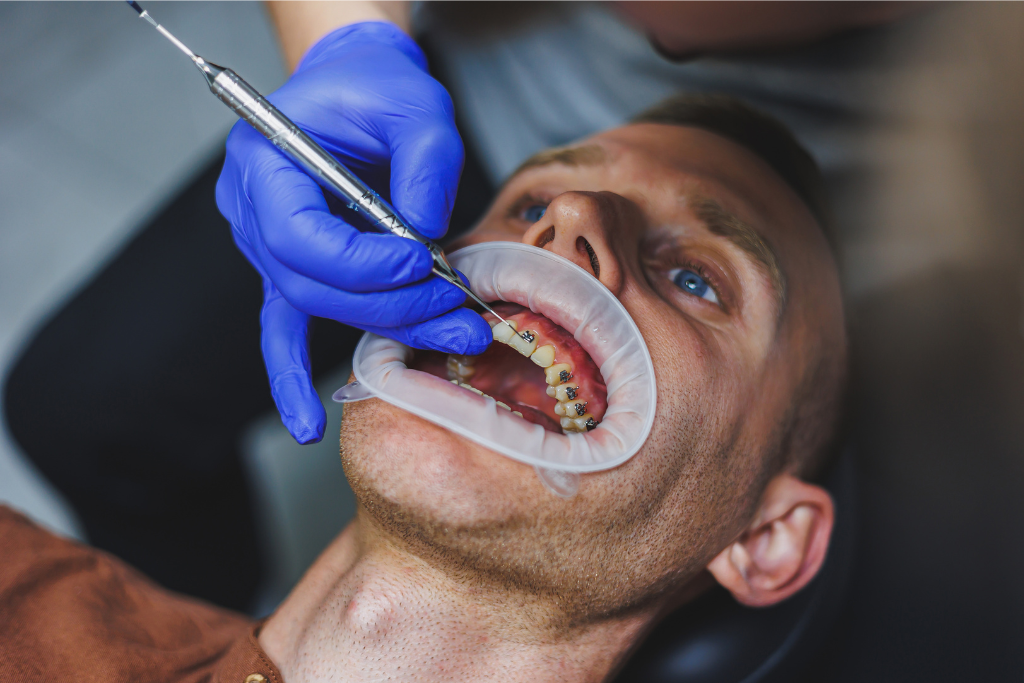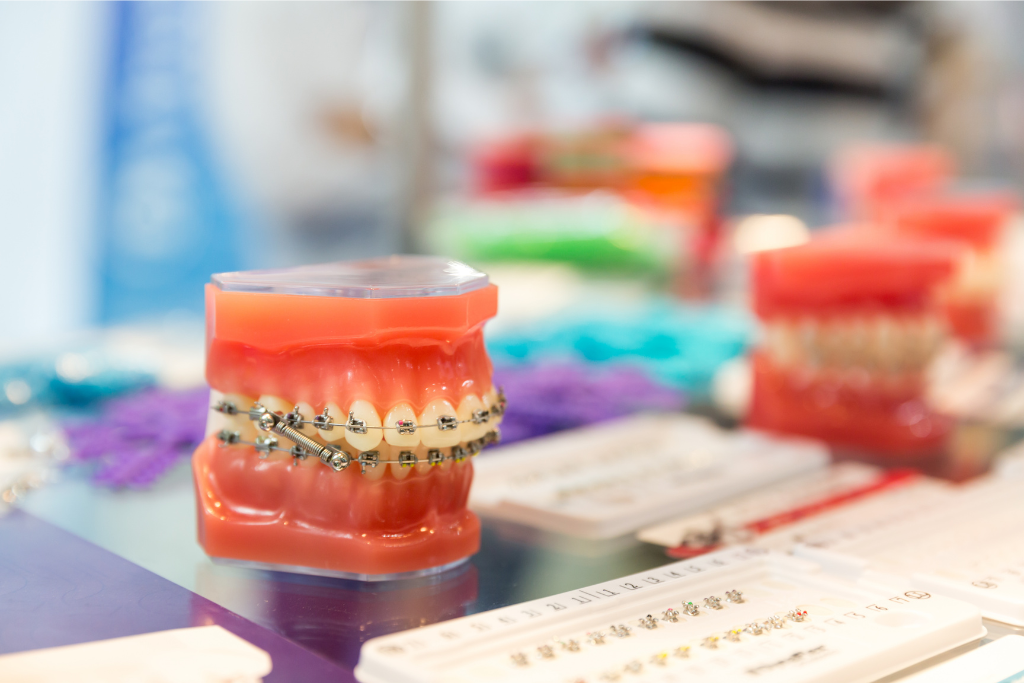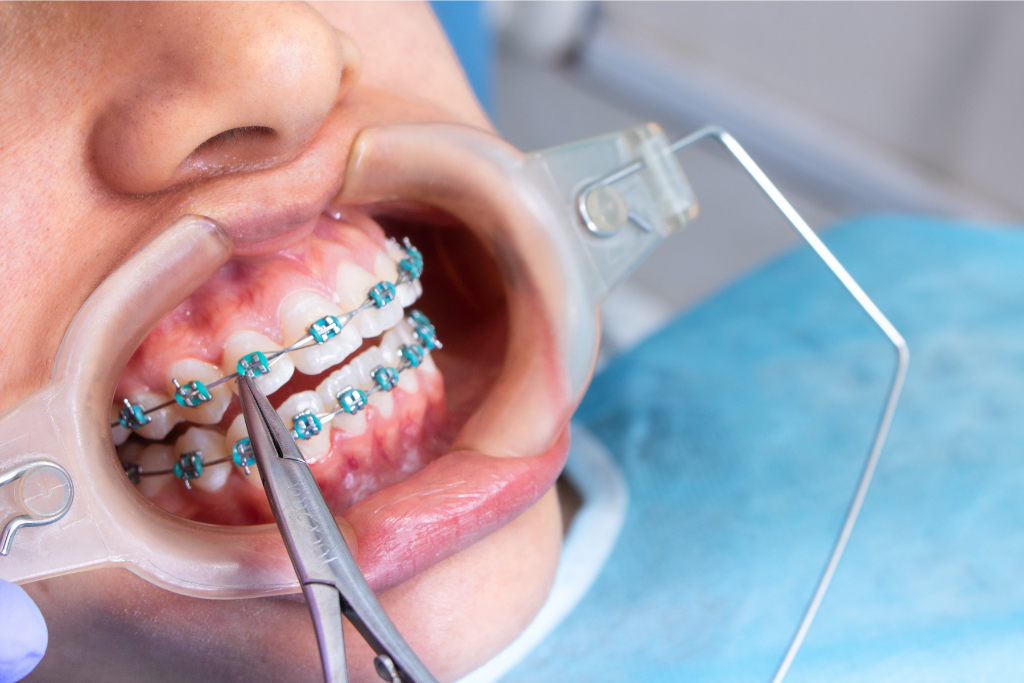

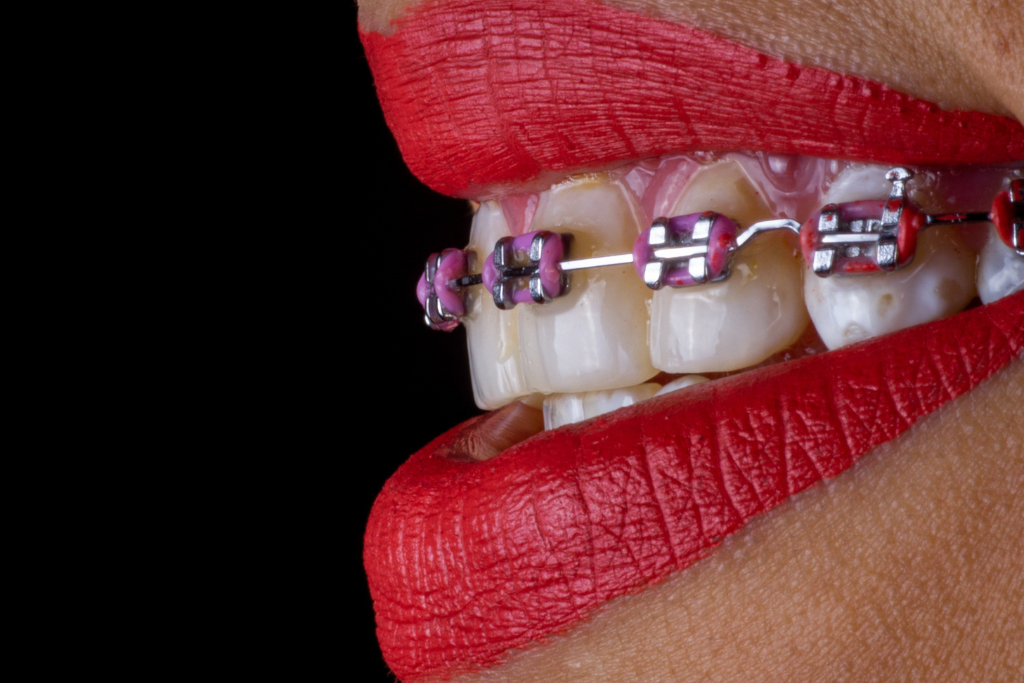
You’ve noticed the crowding. Maybe your bite feels off. Maybe your child’s teeth are coming in sideways. But life gets busy. Between school schedules, work meetings, and weekend games, it’s easy to say, “We’ll deal with it later.”
Here’s the honest question: What really happens if you wait?
Some orthodontic issues stay the same. Many don’t. And in growing kids and teens especially, timing can make a big difference. Let’s walk through what delaying treatment can mean not in scare tactics, but in real-life terms that matter to families right here in Tulsa.
What Happens When You Don’t Treat Crooked or Misaligned Teeth?
Orthodontic problems don’t usually “fix themselves.” In fact, they often progress gradually.
1. Crowding Can Get Worse
Teeth naturally shift over time. If there isn’t enough space, crowding can increase. That can make brushing and flossing harder, which raises the risk of cavities and gum issues.
2. Bite Problems Can Lead to Wear
Overbites, underbites, and crossbites can cause uneven pressure when chewing. Over time, this may lead to enamel wear, jaw discomfort, or even headaches.
3. Speech and Confidence May Be Affected
Some alignment issues influence speech clarity. Others simply affect how someone feels about smiling in photos or speaking in public.
After about 100 words into your research, most people start searching for answers, often typing something like an orthodontist near me in Tulsa to understand their options. That’s usually the moment families decide whether to wait or take the next step.
Is Waiting Ever Okay?
In certain mild cases, observation is appropriate. Not every situation requires immediate braces. That’s why professional evaluation matters.
An experienced orthodontist can determine:
- Whether the issue is developmental
- If growth can be guided early
- Or if it’s safe to monitor for now
For children, early evaluations (around age 7) can identify hidden bite problems even if all permanent teeth aren’t in yet.
The Cost of Waiting: Financial and Biological
Let’s talk about practical concerns.
Treatment Can Become More Complex
A small spacing issue today could require more involved treatment later. In some cases, early interceptive care prevents the need for extractions or longer treatment down the road.
Jaw Development Windows Can Close
For growing kids in Tulsa, timing is everything. Once jaw growth slows (typically mid-teens), certain corrections become more limited and sometimes require more advanced procedures.
Adult Treatment May Take Longer
Adults can absolutely straighten their teeth and many do. But untreated issues that progress for years may extend treatment time.
That’s why families often search for an orthodontist near me in Tulsa when they start noticing changes. Early information leads to better decisions.
Braces vs. No Treatment: A Side-by-Side Look
| If You Treat Now | If You Wait |
| Easier correction during growth | Bite may worsen |
| Potentially shorter treatment | Treatment may become longer |
| Improved oral hygiene access | Increased plaque buildup risk |
| Boost in confidence early | Ongoing self-consciousness |
| Prevents future complications | Possible jaw or wear issues |
Local Factors That Matter
Tulsa families stay active from Friday night football to outdoor festivals at Gathering Place. For kids involved in sports, properly aligned teeth can actually reduce trauma risk in some bite cases.
Access to modern orthodontic technology also means treatment today is more comfortable and discreet than ever before. Digital scans, clear aligners, and lighter brackets have changed the experience significantly.
And because Tulsa continues to grow, scheduling early consultations helps avoid long wait times during peak school-season rushes.
Signs You Shouldn’t Ignore
Whether you’re a parent or adult considering care, here are red flags:
- Early or late loss of baby teeth
- Difficulty chewing
- Mouth breathing
- Teeth that don’t meet evenly
- Noticeable crowding
- Jaw clicking or shifting
If you’re seeing one or more of these, it may be time for a professional opinion.
What If I’m an Adult?
It’s one of the most common concerns.
Many adults delay treatment for years. The good news? It’s not too late. Clear aligners and ceramic options make treatment far more discreet than traditional metal braces of the past.
Adults in Tulsa often begin treatment before major life events, weddings, career changes, or simply for renewed confidence. The key is not how old you are. It’s whether your teeth and bite are healthy.
The Bigger Picture
Orthodontic care isn’t only cosmetic. It’s about balance, function, and long-term oral health.
Waiting may seem harmless. Sometimes it is. But sometimes it means missing the ideal window for simpler treatment.
The best way to know? A consultation.
If you’ve been putting it off, now is the right time to get clarity. A trusted orthodontist can evaluate your situation, answer your questions honestly, and outline options that fit your goals and lifestyle.
At Schroeder & Wyatt Orthodontics, the focus is always on personalized care, modern treatment options, and guidance you can trust. Whether you’re considering braces for your child or exploring options for yourself, scheduling a consultation is the first step toward a healthier, more confident smile.
Book your appointment today and take the guesswork out of waiting.
FAQs
Can Crooked Teeth Fix Themselves Over Time?
Rarely. Most alignment problems remain the same or worsen gradually.
Is Early Evaluation Necessary If My Child’s Teeth Look Fine?
Yes. Some bite problems aren’t visible without an exam.
Are Braces Painful?
Modern techniques significantly reduce discomfort compared to older methods.
How Long Does Treatment Usually Take?
It varies by case, but early intervention can shorten overall time.
What Age is Too Late to Start Treatment?
There isn’t one. While early evaluations are helpful for children, adults of all ages can benefit from treatment. Healthy teeth and gums matter more than age.